One Month Before a Heart Attack, Your Body May Warn You With These 7 Signs
Heart attacks are often thought of as sudden events, but in many cases, the body may begin showing warning signs days or even weeks beforehand. While these symptoms do not always mean a heart attack is coming, experts say recognizing them early may help people seek medical attention sooner and potentially prevent serious complications.
Heart disease remains one of the leading causes of death worldwide, and many symptoms can easily be mistaken for stress, fatigue, indigestion, or aging. Paying attention to unusual changes in your body could make a major difference.
Here are 7 warning signs that may appear before a heart attack:
1. Unusual Fatigue
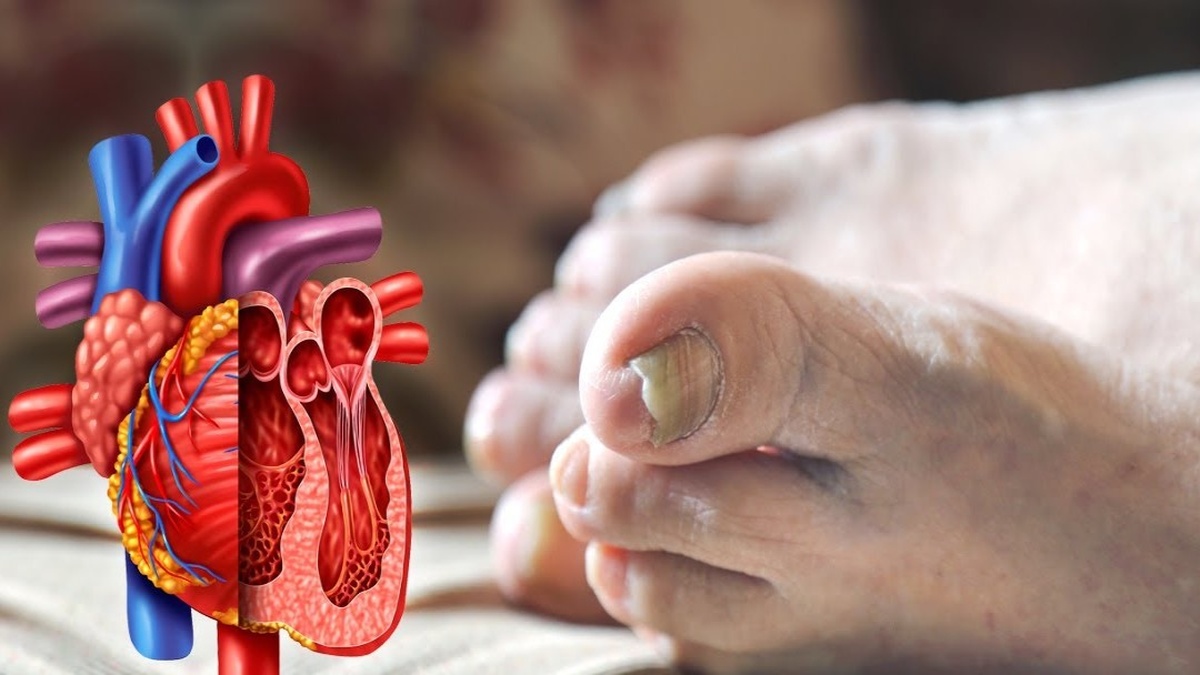
Feeling extremely tired for no clear reason is one of the most commonly reported early symptoms — especially among women.
This type of fatigue is often different from ordinary tiredness. Simple daily activities, such as climbing stairs, carrying groceries, or walking short distances, may suddenly feel exhausting.
Some people experience:
- Constant low energy
- Weakness
- Feeling drained even after resting
Persistent unexplained fatigue should never be ignored, especially when combined with other symptoms.
2. Chest Discomfort or Pressure
Chest pain is the most recognized heart attack symptom, but it does not always feel intense or dramatic.
Many people describe it as:
- Pressure
- Tightness
- Burning
- Squeezing
- Fullness in the chest
The discomfort may come and go and can sometimes be mistaken for heartburn or indigestion.
Any recurring chest discomfort deserves medical attention.
3. Shortness of Breath
Difficulty breathing can sometimes occur weeks before a heart attack.
You may notice:
- Becoming breathless after light activity
- Trouble catching your breath
- Feeling winded while lying down
- Sudden breathing difficulty without exercise
This can happen because the heart may not be pumping blood efficiently, reducing oxygen delivery throughout the body.
4. Pain That Spreads to Other Areas
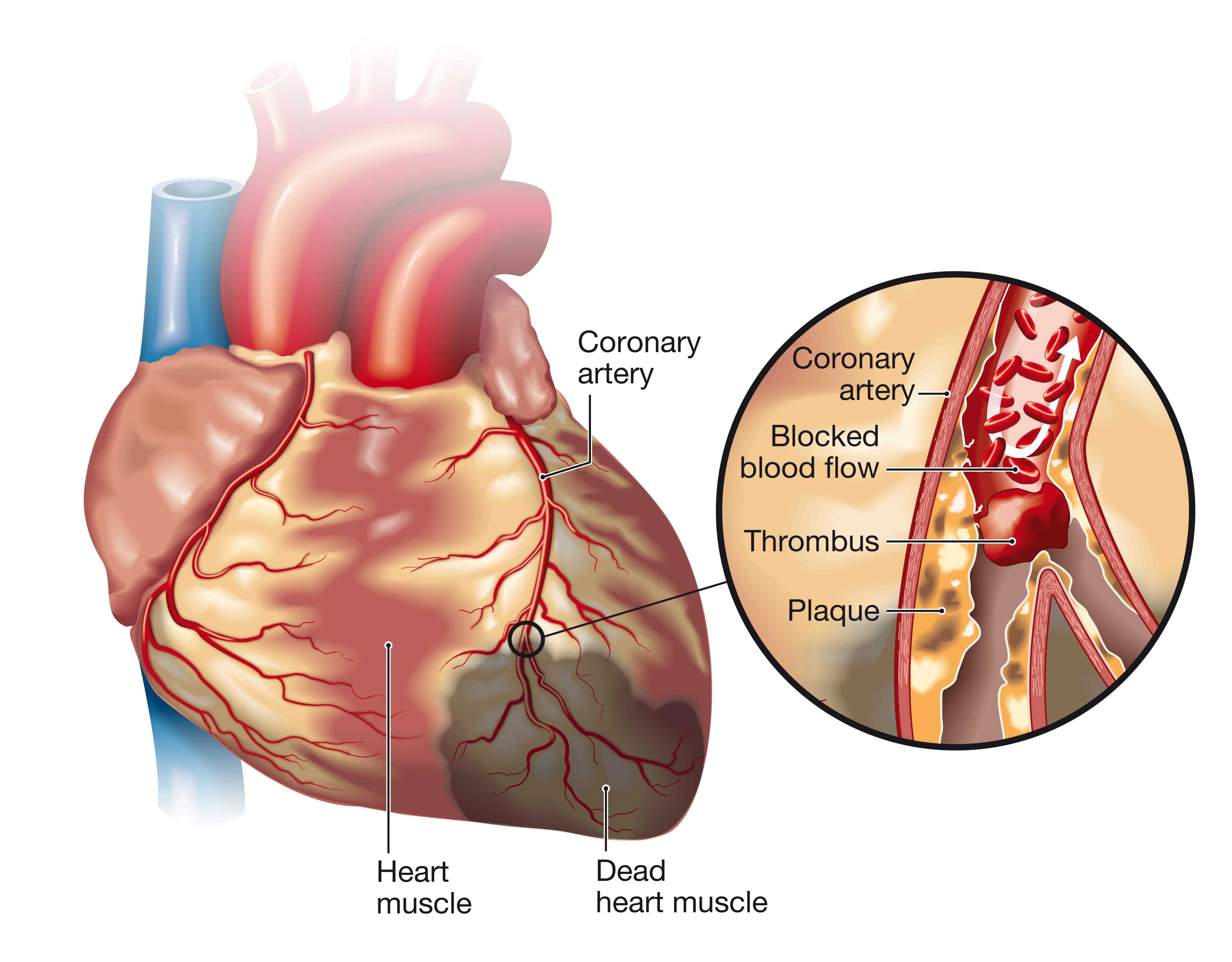
Heart-related pain does not always stay in the chest.
It may spread to:
- The left arm
- Both arms
- Shoulders
- Neck
- Jaw
- Back
- Upper stomach
Some people feel only arm, jaw, or back pain without obvious chest pain, which can make symptoms easier to overlook.
5. Dizziness or Lightheadedness
Feeling dizzy, faint, or unusually weak may occur when the heart struggles to pump enough blood to the brain.
This symptom may be accompanied by:
- Cold sweats
- Nausea
- Pale skin
- Sudden weakness
Repeated unexplained dizziness should be evaluated by a healthcare professional.
6. Sleep Problems
Some studies suggest that people who later experience heart attacks may notice sleep disturbances beforehand.
Possible signs include:
- Trouble falling asleep
- Waking frequently during the night
- Anxiety at night
- Feeling unusually restless
- Waking up exhausted
Although sleep problems are common and often unrelated to heart disease, persistent changes in sleep combined with other symptoms may deserve attention.
7. Nausea, Indigestion, or Stomach Discomfort
Heart attack symptoms can sometimes mimic digestive issues.
Some people report:
- Nausea
- Upset stomach
- Bloating
- Indigestion
- Heartburn-like sensations
Because these symptoms are often associated with food or stomach problems, they can easily be dismissed.
When to Seek Emergency Help
Call emergency services immediately if you or someone else experiences:
- Severe chest pain
- Chest pressure lasting more than a few minutes
- Sudden shortness of breath
- Pain spreading to the arm or jaw
- Cold sweats
- Fainting
- Sudden weakness
Quick treatment can save heart muscle and greatly improve survival chances.
Risk Factors That Increase Heart Attack Risk
Certain lifestyle and health conditions can increase the risk of heart disease, including:
- High blood pressure
- Smoking
- Diabetes
- High cholesterol
- Obesity
- Lack of exercise
- Chronic stress
- Family history of heart disease
Managing these risk factors may significantly reduce the likelihood of future heart problems.
How to Protect Your Heart
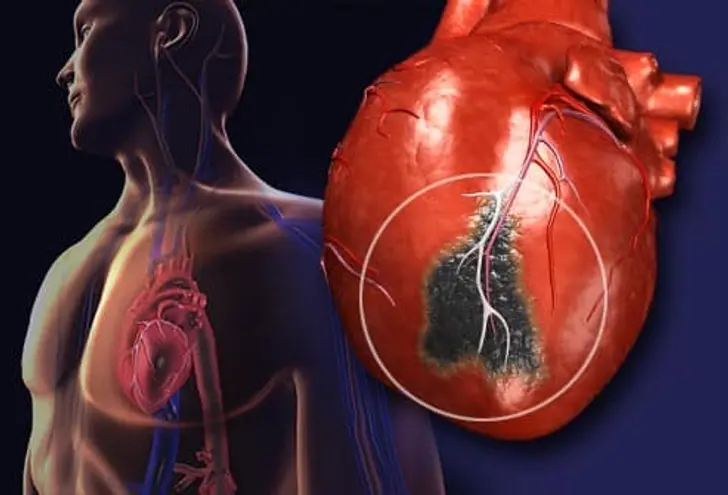
Doctors recommend several habits to support heart health:
- Eat a balanced diet rich in fruits, vegetables, and whole grains
- Exercise regularly
- Avoid smoking
- Limit excessive alcohol intake
- Manage stress
- Get enough sleep
- Keep blood pressure and cholesterol under control
- Attend regular medical checkups
Final Thoughts
Not every heart attack comes with dramatic warning signs. In many cases, the body may begin sending subtle signals weeks in advance.
While these symptoms do not automatically mean a heart attack is coming, persistent or unusual changes should never be ignored. Early evaluation and treatment can save lives.
Sources
- American Heart Association
- Centers for Disease Control and Prevention (CDC) – Heart Attack Symptoms
- Mayo Clinic – Heart Attack Symptoms and Causes
- Cleveland Clinic – Heart Attack Warning Signs