White Spots on Your Skin? It May Not Be Vitiligo After All
Noticing white spots or patches on your skin can be alarming. For many people, the first thought is vitiligo — a condition that causes loss of skin pigment. But dermatologists say that not all white spots are caused by vitiligo. In fact, several other skin conditions may lead to pale or discolored patches, and some are far more common than people realize.
Understanding the possible causes can help you know when it’s harmless and when it’s time to see a doctor.
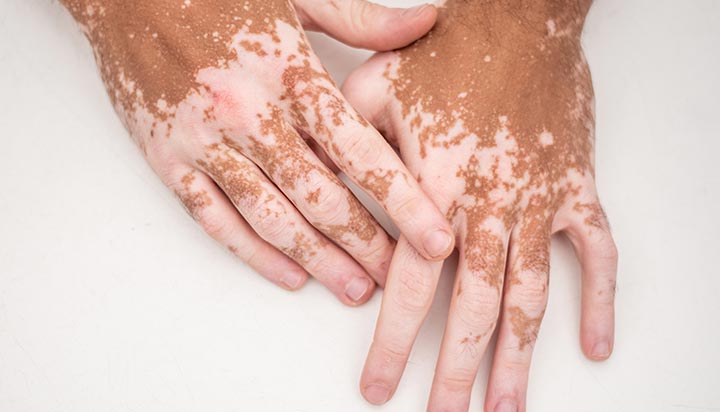
What Is Vitiligo?
Vitiligo is a long-term skin condition in which the cells that produce pigment (melanocytes) are destroyed. This leads to smooth white patches on the skin.
Vitiligo can appear on:
- Hands
- Face
- Arms
- Feet
- Around the eyes or mouth
The patches are usually well-defined and may slowly spread over time.
Although vitiligo is not dangerous or contagious, it can affect self-esteem and emotional well-being.
However, many people mistake other skin conditions for vitiligo.
Common Causes of White Spots That Are NOT Vitiligo
1. Tinea Versicolor (Fungal Infection)
One of the most common causes of white patches is a fungal infection called tinea versicolor.
This condition happens when yeast naturally living on the skin grows excessively.
Symptoms may include:
- White, pink, or light brown spots
- Mild itching
- Dry or flaky skin
- Patches that become more noticeable after sun exposure
Tinea versicolor often appears on:
- Chest
- Back
- Shoulders
- Neck
Unlike vitiligo, the patches may have slight scaling or texture changes.
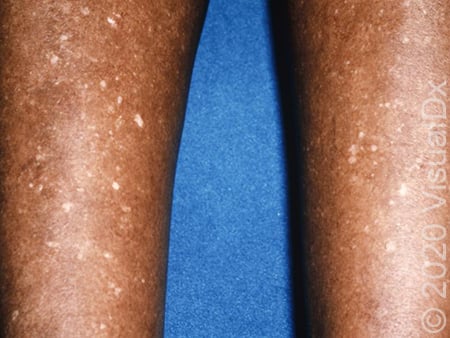
2. Sun Damage
Small white spots can sometimes develop after years of sun exposure.
This condition, called idiopathic guttate hypomelanosis, is common in older adults and usually appears on:
- Arms
- Legs
- Shoulders
These spots are generally harmless and linked to aging and UV exposure.
3. Eczema or Skin Inflammation
Inflammation from eczema or other skin irritation can temporarily affect pigmentation.
After the skin heals, lighter patches may remain for weeks or months. This is known as post-inflammatory hypopigmentation.
It is especially common in children and people with sensitive skin.
4. Nutritional Deficiencies

In some cases, low levels of certain nutrients may contribute to skin changes.
Deficiencies sometimes linked to pale skin patches include:
- Vitamin B12
- Copper
- Iron
- Zinc
However, skin discoloration alone is not enough to diagnose a deficiency.
5. Autoimmune Conditions
Some autoimmune diseases may affect skin pigmentation.
Because vitiligo itself is autoimmune-related, people with white patches are sometimes evaluated for:
- Thyroid disorders
- Type 1 diabetes
- Autoimmune skin conditions
A doctor may recommend blood tests if other symptoms are present.
6. Pityriasis Alba
This harmless skin condition is especially common in children and teenagers.
It causes:
- Light-colored patches
- Mild dryness
- Slight scaling
The spots often appear on the face and become more visible after sun exposure because surrounding skin tans while affected areas remain lighter.
When Should You See a Doctor?
White spots are often harmless, but you should seek medical advice if:
- The patches spread quickly
- They itch, hurt, or bleed
- The skin changes suddenly
- You notice hair turning white in affected areas
- You have other symptoms such as fatigue or weight changes
A dermatologist can usually identify the cause through a physical examination and, in some cases, special light testing or lab work.
Can White Spots Be Treated?
Treatment depends entirely on the cause.
Possible treatments may include:
- Antifungal creams or shampoos
- Moisturizers
- Topical steroid creams
- Sun protection
- Vitamin supplementation if deficiencies exist
Vitiligo treatments may involve:
- Light therapy
- Prescription creams
- Cosmetic camouflage
- Depigmentation therapy in severe cases
Protecting Your Skin
Regardless of the cause, skin experts recommend:
- Wearing sunscreen daily
- Avoiding excessive sun exposure
- Keeping the skin moisturized
- Avoiding harsh skin products
- Monitoring changes in spots or patches
Final Thoughts
White spots on the skin are not always vitiligo. In many cases, they may result from fungal infections, sun damage, mild inflammation, or other harmless conditions.
Still, any persistent or spreading skin change deserves attention. A proper diagnosis from a healthcare professional is the best way to understand what’s causing the discoloration and whether treatment is needed.
Sources
- American Academy of Dermatology
- Mayo Clinic – Vitiligo
- Cleveland Clinic – Tinea Versicolor
- National Health Service (NHS) – Vitiligo