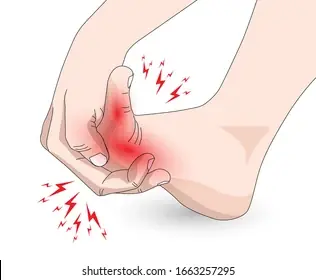
Burning Feet, Tingling, or Nerve Pain? Your Diet Could Be Making It Worse
Burning Feet and Tingling Sensations? Your Diet Might Play a Bigger Role Than You Think
Health 13/05/2026 12:11
For decades, researchers have explored whether blood type may influence the risk of certain diseases. One area that continues to attract scientific attention is the possible connection between ABO blood groups and stomach cancer.
Several studies suggest that people with certain blood types — especially blood group A — may have a slightly higher likelihood of developing stomach cancer compared to other groups. However, experts emphasize that blood type alone does not determine whether someone will develop the disease.
Here’s what scientists currently know about the possible link.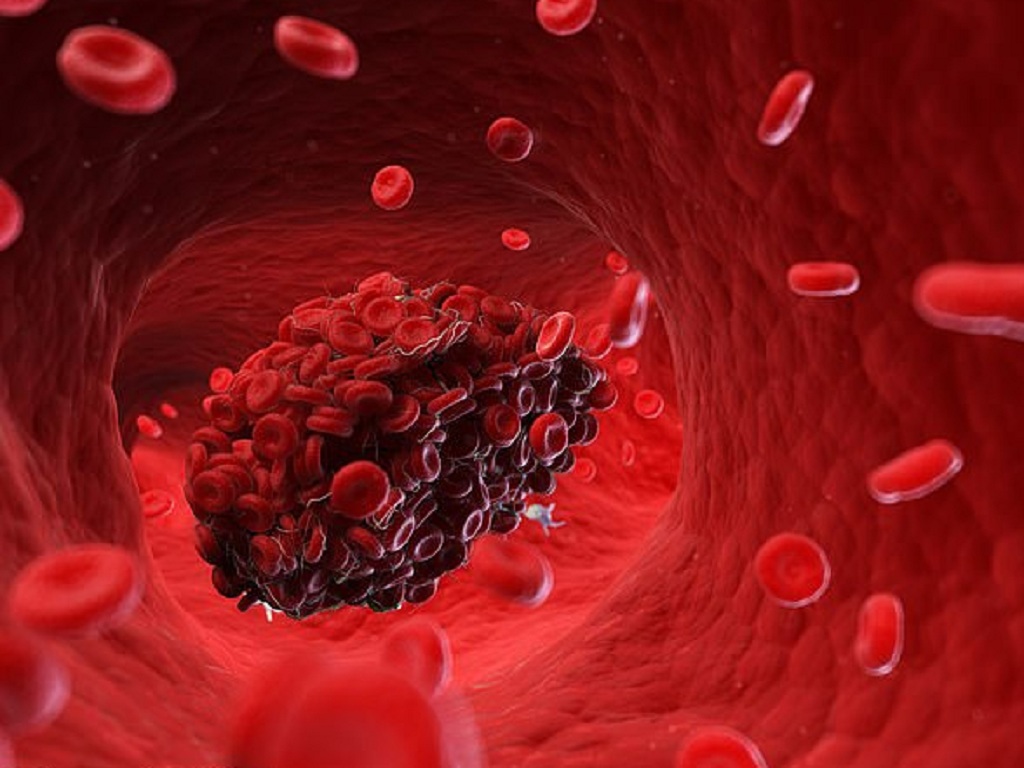
Stomach cancer, also called gastric cancer, develops when abnormal cells grow in the lining of the stomach.
It is one of the most common cancers worldwide, although rates vary greatly between countries.
Symptoms may include:
In many cases, symptoms may not appear until the disease becomes more advanced.
Research over many years has found that people with blood type A may have a somewhat increased risk of stomach cancer compared to people with blood type O.
Scientists first noticed this possible association decades ago, and later studies continued investigating the connection.
Some researchers believe this may be related to:
However, the exact reason is still not fully understood.
One major factor in stomach cancer risk is infection with Helicobacter pylori, a bacterium that can damage the stomach lining over time.
H. pylori infection is very common worldwide and is considered one of the strongest known risk factors for gastric cancer.
Some studies suggest that blood group A may influence how the body responds to this bacterium, though more research is needed.
Not everyone infected with H. pylori develops stomach cancer, but long-term infection may increase inflammation and damage inside the stomach.
Experts stress that blood type alone is not enough to predict cancer risk.
Many other factors play a much larger role, including:
In fact, many people with blood type A never develop stomach cancer, while people with other blood types can still get the disease.
Doctors recommend seeking medical attention if symptoms persist, especially:
Early detection may improve treatment outcomes.
While no method guarantees prevention, experts say several lifestyle habits may help reduce risk:
A diet rich in:
may help support stomach health.
Reducing heavily processed, smoked, and salty foods may also help.
Smoking significantly increases the risk of many cancers, including stomach cancer.
Heavy alcohol use may irritate and damage the stomach lining over time.
Doctors can diagnose H. pylori through breath, stool, or blood tests.
If detected, antibiotics are commonly used to treat the infection.
Although the link between blood type A and stomach cancer has appeared in multiple studies, researchers continue investigating:
Scientists caution that risk associations do not mean certainty.
Research suggests that blood group A may be associated with a slightly greater likelihood of stomach cancer, but blood type is only one piece of a much larger picture.
Lifestyle, infections, genetics, and environmental factors all contribute to overall cancer risk.
Rather than focusing only on blood type, experts recommend paying attention to symptoms, maintaining healthy habits, and seeking medical advice when digestive problems persist.
Burning Feet and Tingling Sensations? Your Diet Might Play a Bigger Role Than You Think

Hard-Boiled Eggs Explained: 15 Unexpected Things to Know

The Surprising Bedtime Ginger Trick and What It May Help With

Why Many People Eat Garlic Daily: 5 Potential Health Benefits?
A Fishy Smell Isn’t Always Harmless — Here’s Why

Eating Watermelon Frequently Could Offer Several Health Benefits
The Real Reason Behind White Spots on the Skin Might Surprise You

Why Some Nutrition Experts Say Chicken Gizzards Deserve More Attention




Here’s How Many Times a Week Most People Should Shower


What You Should Know About Cloves: 12 Practical Insights



A Heart Attack May Not Happen Suddenly — These 7 Signs Can Appear First
Burning Feet and Tingling Sensations? Your Diet Might Play a Bigger Role Than You Think

A Lizard Inside the Home Has Different Symbolic Meanings Around the World
Hard-Boiled Eggs Explained: 15 Unexpected Things to Know
The Surprising Bedtime Ginger Trick and What It May Help With
Why Many People Eat Garlic Daily: 5 Potential Health Benefits?
A Fishy Smell Isn’t Always Harmless — Here’s Why
Eating Watermelon Frequently Could Offer Several Health Benefits
The Real Reason Behind White Spots on the Skin Might Surprise You
Why Some Nutrition Experts Say Chicken Gizzards Deserve More Attention
Here’s How Many Times a Week Most People Should Shower
What You Should Know About Cloves: 12 Practical Insights