Burning Feet, Tingling, or Nerve Pain? Your Diet Could Be Making It Worse 😳
Burning feet, tingling sensations, numbness, or sharp nerve pain can be uncomfortable and sometimes alarming. While these symptoms may be linked to conditions such as diabetes, poor circulation, or nerve damage, experts say that diet may also play an important role.
Certain foods and nutritional habits can increase inflammation, affect blood sugar levels, or contribute to vitamin deficiencies that may worsen nerve-related symptoms.
Here’s what doctors and nutrition experts say about the connection between diet and nerve pain.
What Is Nerve Pain?
Nerve pain, also known as neuropathy, happens when nerves become damaged or irritated.
Symptoms may include:
- Burning sensations in the feet or hands
- Tingling or “pins and needles”
- Numbness
- Sharp or shooting pain
- Muscle weakness
- Increased sensitivity to touch
These symptoms can range from mild to severe and may become worse over time if the underlying cause is not addressed.
How Diet May Affect Nerve Health
The nerves depend on healthy blood flow and proper nutrition to function correctly.
Poor dietary habits may contribute to:
- Chronic inflammation
- Blood sugar spikes
- Vitamin deficiencies
- Weight gain
- Circulation problems
All of these factors may worsen nerve discomfort.
Foods and Habits That May Worsen Nerve Pain
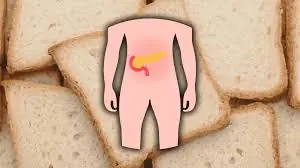
1. Excess Sugar
High sugar intake may damage blood vessels and nerves over time, especially in people with diabetes or prediabetes.
Frequent blood sugar spikes can increase the risk of diabetic neuropathy — one of the most common causes of burning feet and tingling.
Foods high in added sugar include:
- Soft drinks
- Candy
- Pastries
- Sugary cereals
- Sweetened coffee drinks
2. Highly Processed Foods
Ultra-processed foods often contain:
- Excess sodium
- Unhealthy fats
- Artificial additives
- Refined carbohydrates
These foods may increase inflammation in the body, which can sometimes worsen nerve symptoms.
Examples include:
- Fast food
- Chips
- Processed meats
- Instant noodles
3. Alcohol
Heavy alcohol use may damage nerves directly and contribute to vitamin deficiencies, particularly vitamin B1 (thiamine).
Alcohol-related neuropathy can cause:
- Burning feet
- Tingling
- Weakness
- Balance problems
4. Foods High in Trans Fats
Trans fats may negatively affect circulation and inflammation.
Poor circulation can reduce oxygen delivery to nerves, potentially worsening symptoms.
These fats are sometimes found in:
- Fried foods
- Packaged baked goods
- Margarine
- Processed snacks
5. Too Much Salt
Excess sodium may contribute to poor circulation and fluid retention in some people.
Swelling and circulation problems may place additional pressure on nerves, especially in the feet and legs.
Nutrients That Support Nerve Health
Certain nutrients are especially important for healthy nerve function.
B Vitamins
Vitamin B1, B6, and B12 help support nerve communication and repair.
Low levels may contribute to:
- Tingling
- Numbness
- Burning sensations
Good sources include:
- Eggs
- Fish
- Poultry
- Whole grains
- Dairy products
Magnesium
Magnesium supports muscle and nerve function.
Low magnesium levels may sometimes contribute to cramps and nerve discomfort.
Foods rich in magnesium include:
- Nuts
- Seeds
- Leafy greens
- Beans
Omega-3 Fatty Acids
Omega-3s may help reduce inflammation.
Sources include:
- Salmon
- Sardines
- Chia seeds
- Walnuts
Other Common Causes of Burning Feet
Diet is not the only possible cause.
Burning feet and nerve pain may also be linked to:
- Diabetes
- Vitamin deficiencies
- Poor circulation
- Kidney disease
- Thyroid disorders
- Infections
- Medication side effects
- Nerve compression
Persistent symptoms should always be evaluated by a healthcare professional.
Lifestyle Habits That May Help
Experts often recommend:
- Keeping blood sugar under control
- Exercising regularly
- Maintaining a healthy weight
- Staying hydrated
- Avoiding smoking
- Limiting alcohol
- Wearing comfortable footwear
These habits may help support circulation and nerve health.
When to See a Doctor
Seek medical advice if you experience:
- Persistent burning or tingling
- Sudden numbness
- Loss of balance
- Muscle weakness
- Foot sores that don’t heal
- Severe pain that disrupts sleep
Early diagnosis may help prevent further nerve damage.
Final Thoughts
Burning feet, tingling, and nerve pain can have many possible causes, but diet may be one factor that influences symptoms more than people realize.
Reducing processed foods, limiting sugar and alcohol, and focusing on nutrient-rich foods may help support nerve health and overall well-being.
If symptoms persist or worsen, professional medical evaluation is important to identify the underlying cause and appropriate treatment.
Sources
- National Institute of Neurological Disorders and Stroke
- Mayo Clinic – Peripheral Neuropathy
- Cleveland Clinic – Neuropathy
- Harvard Health Publishing