A glucose meter or continuous glucose monitor is a management tool, not a substitute for laboratory testing and professional diagnosis.
4. When Should You Get Tested for Diabetes?
Recognizing symptoms is useful, but symptoms alone cannot confirm a diagnosis.
The most reliable way to determine whether someone has diabetes is through appropriate blood tests.
Two commonly used tests are:
1. Fasting Blood Glucose Test
This test measures blood glucose after a period of fasting, generally at least eight hours.
Common diagnostic thresholds for nonpregnant adults are:
-
Normal: below 100 mg/dL.
-
Prediabetes: 100–125 mg/dL.
-
Diabetes: 126 mg/dL or higher.
2. Hemoglobin A1C Test
This test estimates average blood glucose over approximately the previous three months.
Common diagnostic thresholds are:
-
Normal: below 5.7%.
-
Prediabetes: 5.7%–6.4%.
-
Diabetes: 6.5% or higher.
In the absence of unequivocal symptoms, an abnormal result generally needs confirmation with repeat testing or another diagnostic test.
These thresholds are general clinical criteria. Pregnancy and certain medical conditions may require different testing approaches.
If you regularly experience excessive thirst, frequent urination, unexplained weight loss, persistent fatigue, or blurred vision, arrange a medical appointment.
You should also consider discussing screening if you have risk factors such as a family history of type 2 diabetes, a history of gestational diabetes, or other metabolic risk factors.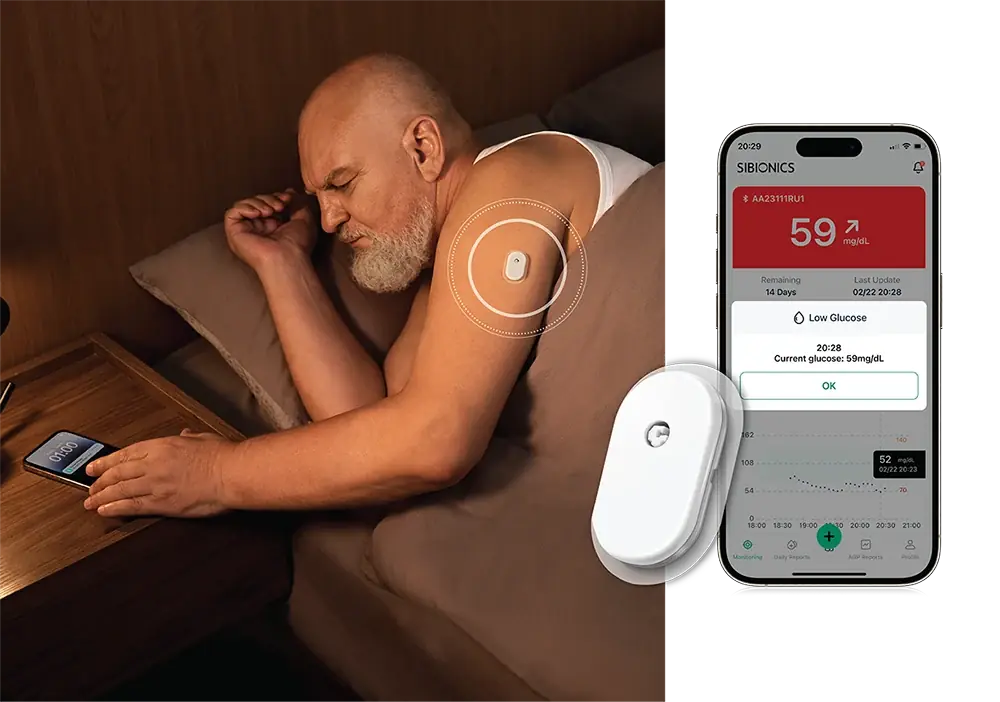
When Symptoms Require Urgent Attention
Some glucose-related problems require immediate medical care.
Severe hypoglycemia can cause confusion, seizures, and loss of consciousness.
If someone is unconscious or unable to swallow safely, do not give them food or drink by mouth. Seek emergency assistance immediately and use prescribed emergency glucagon if available and someone is trained to administer it.
Very high blood glucose can also become dangerous.
Warning signs of diabetic ketoacidosis may include:
-
Severe thirst and frequent urination.
-
Nausea or vomiting.
-
Abdominal pain.
-
Deep or rapid breathing.
-
Fruity-smelling breath.
-
Severe weakness or confusion.
Diabetic ketoacidosis is a medical emergency and can occur in people with type 1 or type 2 diabetes.
Do not wait for symptoms to become severe before seeking help.
5. A Simple Evening Routine for Better Blood Sugar Management
Managing diabetes does not need to involve complicated routines every evening.
Small, repeatable habits can make daily management easier.
Consider this example of a balanced evening:
6:00 p.m. — A balanced dinner
Include non-starchy vegetables, a suitable protein source, and a moderate portion of carbohydrate.
For example, grilled fish with brown rice and steamed vegetables.
6:30 p.m. — Gentle movement
Take a comfortable walk for approximately 10–15 minutes if your health and treatment plan allow it.
7:00 p.m. — Hydration
Drink water according to your needs. Avoid relying on sweetened beverages to satisfy thirst.
8:00 p.m. — Review your glucose plan
If you have been instructed to monitor your glucose, follow the recommended schedule and record any unusual readings.
9:00 p.m. — Prepare for sleep
Reduce unnecessary stimulation, avoid excessive late-night snacking, and establish a relaxing bedtime routine.
Before bedtime — Follow prescribed medication instructions
Take medications exactly as directed. Do not skip, increase, or reduce doses without discussing changes with your healthcare professional.
People who experience nighttime hypoglycemia may need a different evening routine, medication adjustment, or carefully planned snack. This should be individualized rather than applied to everyone.
The most important goal is to establish a routine that supports stable glucose levels without creating unnecessary restrictions.
6. The Biggest Mistake: Ignoring Repeated Symptoms or Cutting Out All Carbohydrates
When people become concerned about diabetes, they sometimes make sudden dietary changes.
They stop eating rice, bread, potatoes, fruit, and other carbohydrate-containing foods.
Although reducing certain foods or adjusting portions may be appropriate, eliminating all carbohydrates is not necessary for everyone.
A healthy eating plan can include nutritious carbohydrate sources.
Beans, oats, vegetables, fruit, whole grains, and dairy products can all contribute important nutrients.
The important considerations are quality, portion size, meal balance, and how the foods fit into an individual's medical treatment.
Another common mistake is assuming that one symptom proves diabetes.
Waking up thirsty does not automatically mean blood glucose is high.
Night sweats do not automatically mean diabetes.
Burning feet do not always indicate diabetic nerve damage.
These symptoms have multiple possible explanations, and an accurate diagnosis requires proper medical assessment.
There is also no single food, drink, or nighttime routine that can guarantee protection against diabetes.
Managing blood glucose is a long-term process involving nutrition, physical activity, sleep, medication when needed, and regular medical monitoring.
People who already have diabetes should work with their healthcare team to establish individualized glucose targets.
Those who have not been diagnosed should not begin taking diabetes medication or using supplements simply because they recognize a symptom in an online article.
Final Thoughts: Listen to What Your Body Is Telling You
The nighttime symptoms discussed in this article may seem ordinary at first.
Getting up to urinate, feeling unusually thirsty, experiencing burning feet, or waking up exhausted can easily be blamed on everyday circumstances.
But when these changes become persistent, they deserve attention.
Diabetes can develop gradually, and some people experience few noticeable symptoms before diagnosis. Recognizing possible warning signs and arranging appropriate testing can help identify the condition earlier.
For those already living with diabetes, nighttime glucose fluctuations deserve particular attention because both high and low blood sugar can affect health and sleep.
The good news is that managing glucose does not automatically mean giving up every food you enjoy.
Balanced meals, high-fiber carbohydrates, sensible portions, protein-rich food combinations, regular movement, sufficient sleep, and appropriate monitoring can all contribute to better management.
The goal is not to fear food or become anxious about every nighttime sensation.
It is to understand your body, recognize changes, and make informed decisions.
If you repeatedly wake up unusually thirsty, need to urinate throughout the night, experience unexplained fatigue, or notice persistent tingling in your feet, consider speaking with a healthcare professional. A simple blood test may provide answers that guessing never can.