Joint comfort and flexibility depend on many factors—movement, body weight, sleep, and nutrition all play a role. While no single food can “fix” joint issues, certain nutrients help support cartilage integrity, collagen formation, and inflammation balance.
Below are 7 foods that can fit into a joint-friendly eating pattern, along with practical ways to include them in everyday meals.
🧠 Why Nutrition Matters for Joints
Healthy joints rely on:
- Collagen (a structural protein in cartilage, tendons, and ligaments)
- Anti-inflammatory nutrients
- Minerals and vitamins that support tissue repair
👉 Diet won’t replace medical care, but it can support how your body maintains and recovers.
🐟 1. Fatty Fish (Omega-3 Support)
Examples: salmon, sardines, mackerel
Why it helps:
- Rich in omega-3 fatty acids, associated with balanced inflammation
- May support joint comfort over time
How to use:
- Grill or bake with herbs
- Add to salads or grain bowls
-1200x676-3.jpg)
🍊 2. Citrus Fruits (Vitamin C for Collagen)
Examples: oranges, lemons, grapefruits
Why it helps:
- Vitamin C is essential for collagen synthesis
- Also provides antioxidants
How to use:
- Fresh fruit snacks
- Add to water or salads
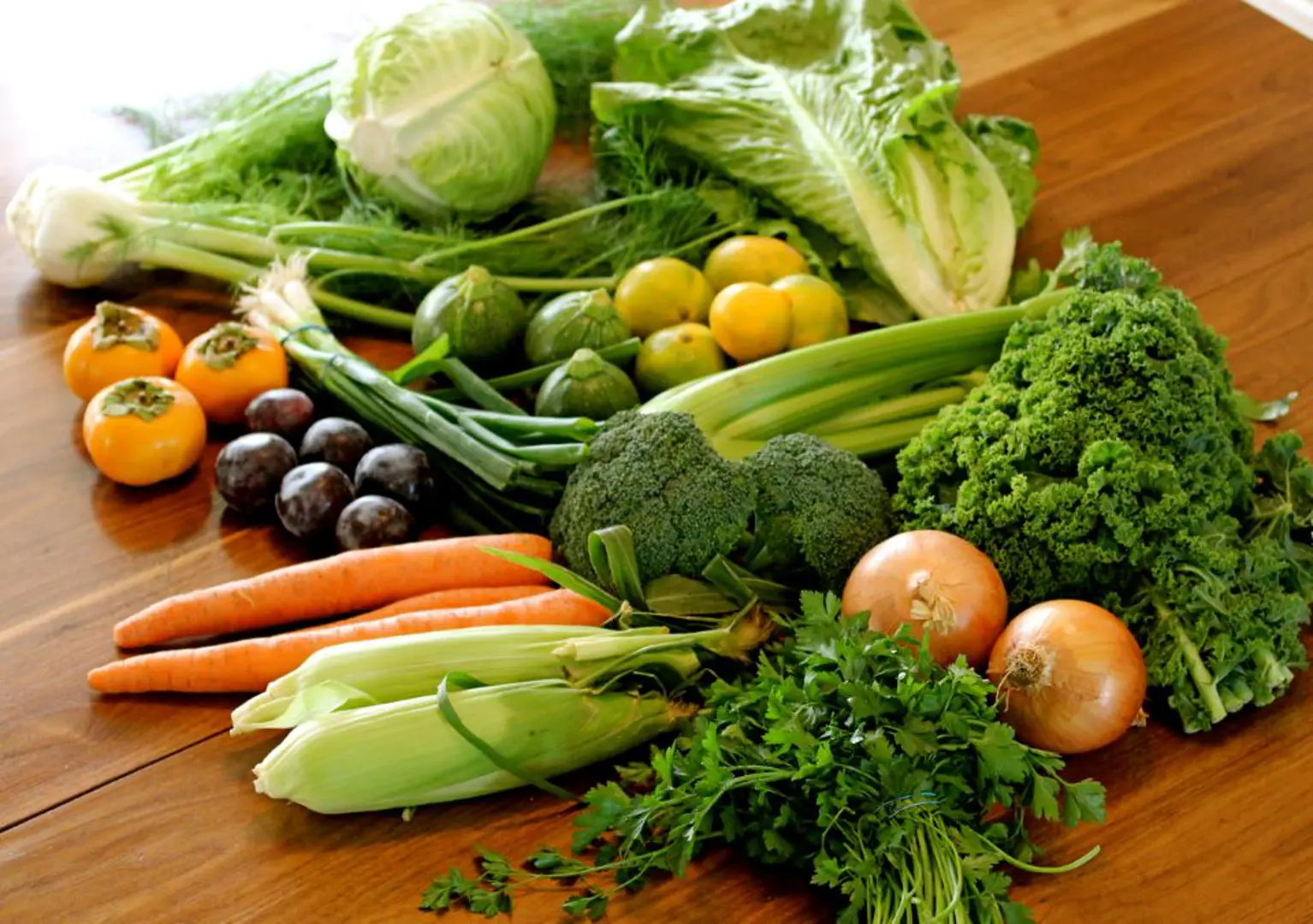
🥬 3. Leafy Greens (Antioxidants + Vitamin K)
Examples: spinach, kale, bok choy
Why it helps:
- Contains antioxidants that support cell health
- Provides vitamin K, linked to bone and joint support
How to use:
- Smoothies, stir-fries, or salads
🥜 4. Nuts and Seeds (Healthy Fats + Minerals)
Examples: almonds, walnuts, chia seeds, flaxseeds
Why it helps:
- Provide healthy fats, magnesium, and plant compounds
- May support overall joint function
How to use:
- Sprinkle over yogurt or oatmeal
- Add to salads
🥣 5. Bone Broth (Collagen-Related Compounds)
Why it helps:
- Contains compounds derived from collagen
- May support connective tissue when part of a balanced diet
How to use:
- Sip as a warm drink
- Use as a base for soups
6. Olive Oil (Healthy Fats)
Why it helps:
- Rich in monounsaturated fats and plant compounds
- Often included in dietary patterns linked to joint health
How to use:
- Drizzle over vegetables or salads
- Use for light cooking

🍓 7. Berries (Antioxidant Support)
Examples: blueberries, strawberries, raspberries
Why it helps:
- High in antioxidants that help the body manage oxidative stress
How to use:
- Add to smoothies, yogurt, or breakfast bowls
⚠️ What These Foods Can—and Can’t—Do
- ✅ Support overall joint health
- ✅ Contribute to collagen production (indirectly, through nutrients)
- ❌ Do not instantly eliminate joint pain
- ❌ Do not replace medical treatment
👉 Think of them as long-term support, not quick fixes.
💡 Simple Daily Routine for Joint Support
- Eat a varied diet (protein + fruits + vegetables + healthy fats)
- Stay hydrated
- Keep moving (light exercise supports joint mobility)
- Maintain a healthy weight
🧠 Final Thoughts
Joint comfort and flexibility are built over time. Including nutrient-rich foods can support your body’s natural processes, especially when combined with healthy lifestyle habits.
👉 Consistency matters more than any single food.
By choosing balanced meals and staying active, you give your joints the support they need to function comfortably day after day.
Small daily choices can lead to meaningful long-term benefits. 🦴✨