Jute Mallow, known in many Asian and African countries as a nutritious leafy vegetable, is becoming increasingly popular among home gardeners. Loved for its soft texture and rich nutritional value, jute mallow is easy to grow and surprisingly versatile in the kitchen.
While many people know it as a delicious ingredient in soups and traditional dishes, few realize how many practical and health-related benefits come from growing it right at home.
Here are seven surprising reasons why jute mallow deserves a place in your garden.
1. It’s Extremely Easy to Grow

One of the biggest advantages of jute mallow is how beginner-friendly it is.
It grows well in:
- Small gardens
- Raised beds
- Pots and containers
- Warm climates
The plant grows quickly and doesn’t require complicated care routines.
Even people with limited gardening experience can often grow it successfully with:
- Sunlight
- Regular watering
- Basic soil care
2. It’s Packed with Nutrients
Jute mallow is rich in:
- Fiber
- Vitamins A and C
- Iron
- Calcium
- Antioxidants
These nutrients support:
- Digestive health
- Immune function
- Skin health
- Overall wellness
Its soft, slightly slippery texture also makes it popular in many traditional healthy dishes.
3. You Always Have Fresh Vegetables Available
Growing jute mallow at home means you can harvest fresh leaves whenever needed.
This offers several benefits:
- Fresher taste
- Better texture
- Reduced grocery costs
- Fewer concerns about pesticides or chemical residues
Freshly harvested greens often contain better flavor and nutritional quality compared to vegetables stored for long periods.
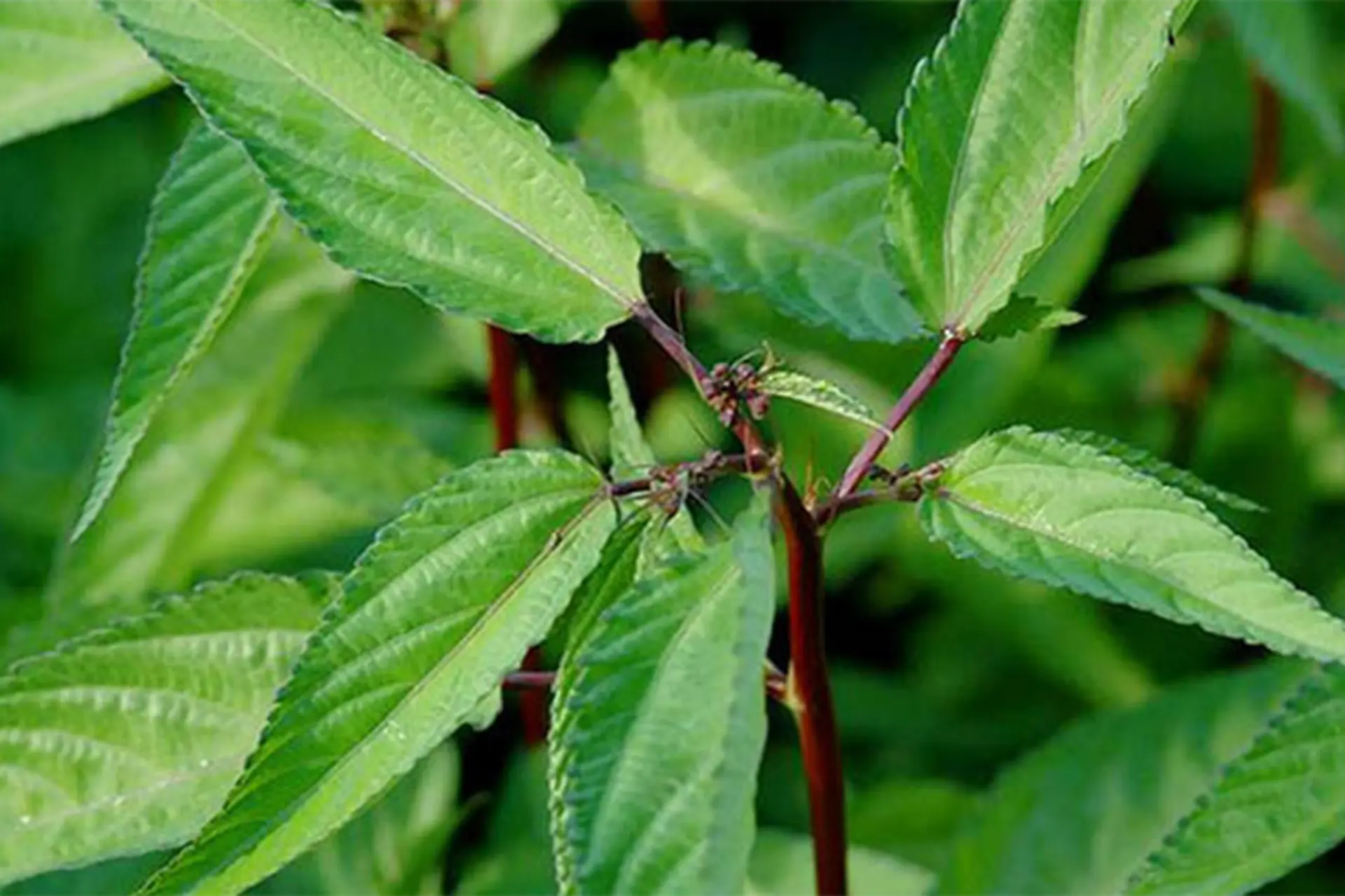
4. It Can Thrive in Hot Weather
Unlike some delicate vegetables, jute mallow actually performs very well in warm and humid conditions.
This makes it ideal for:
- Tropical climates
- Summer gardens
- Regions with strong sunlight
While other leafy greens may wilt quickly in heat, jute mallow often continues growing vigorously.
5. It Supports Sustainable Living
Home gardening reduces dependence on packaged store-bought produce.
By growing your own vegetables, you may:
- Reduce plastic waste
- Lower transportation-related environmental impact
- Encourage healthier eating habits
Even a small home garden can contribute to a more sustainable lifestyle.
6. It Grows Back Quickly After Harvesting
Jute mallow is known for its rapid regrowth.
After harvesting the leaves:
- New shoots often appear quickly
- Multiple harvests are possible from one planting cycle
This makes it an efficient crop for home gardeners who want continuous production without constantly replanting.
7. It Can Encourage Healthier Eating Habits
People are often more likely to eat vegetables regularly when they grow them themselves.
Having fresh jute mallow nearby may encourage:
- More home-cooked meals
- Increased vegetable intake
- Less processed food consumption
Gardening itself can also reduce stress and improve overall well-being.
Bonus: Jute Mallow Is Used in Many Traditional Dishes
Jute mallow is widely used in:
- Soups
- Stir-fries
- Stews
- Traditional family recipes
Its unique texture makes dishes rich and comforting, especially when combined with garlic, shrimp, or meat broths.
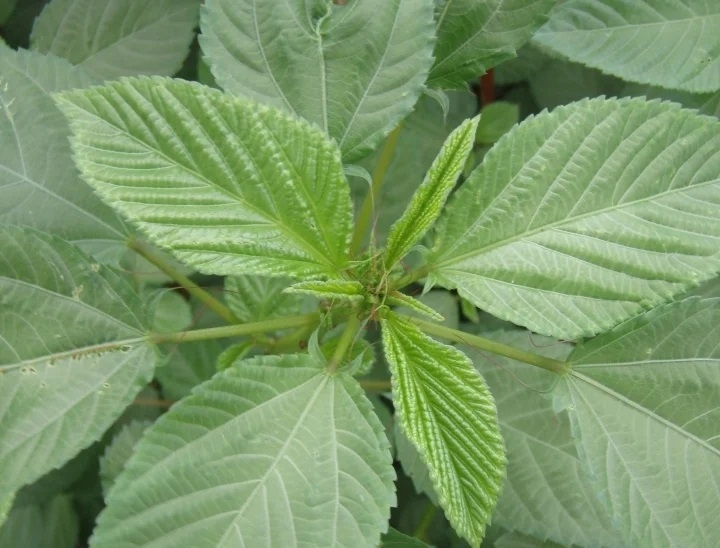
Simple Tips for Growing Jute Mallow at Home
For best results:
- Plant in well-drained soil
- Provide full sunlight
- Water regularly without overwatering
- Harvest young leaves for better texture
The plant usually grows quickly under warm conditions.
Final Thoughts
Jute mallow is much more than just another leafy vegetable. It’s easy to grow, highly nutritious, heat-tolerant, and surprisingly productive for home gardeners.
Whether you want fresher meals, a healthier lifestyle, or a simple gardening project, growing jute mallow at home can offer benefits far beyond what most people expect.
Sometimes the most valuable plants are the simplest ones already rooted in traditional cooking and everyday life.