Stomach cancer, also known as gastric cancer, often develops gradually over many years. One of the challenges of this disease is that early-stage stomach cancer frequently causes few or no noticeable symptoms. As a result, many cases are diagnosed only after the cancer has grown or spread beyond the stomach.
When stomach cancer reaches an advanced stage, it may interfere with digestion, nutrition, and other body systems, leading to a range of symptoms. However, it is important to understand that none of these symptoms are specific to stomach cancer. Many are much more commonly caused by conditions such as gastritis, peptic ulcers, gastroesophageal reflux disease (GERD), gallbladder disease, or other digestive disorders.
If symptoms persist, worsen, or occur together - especially in people over age 50 or those with risk factors—it is important to seek medical evaluation rather than attempting self-diagnosis.
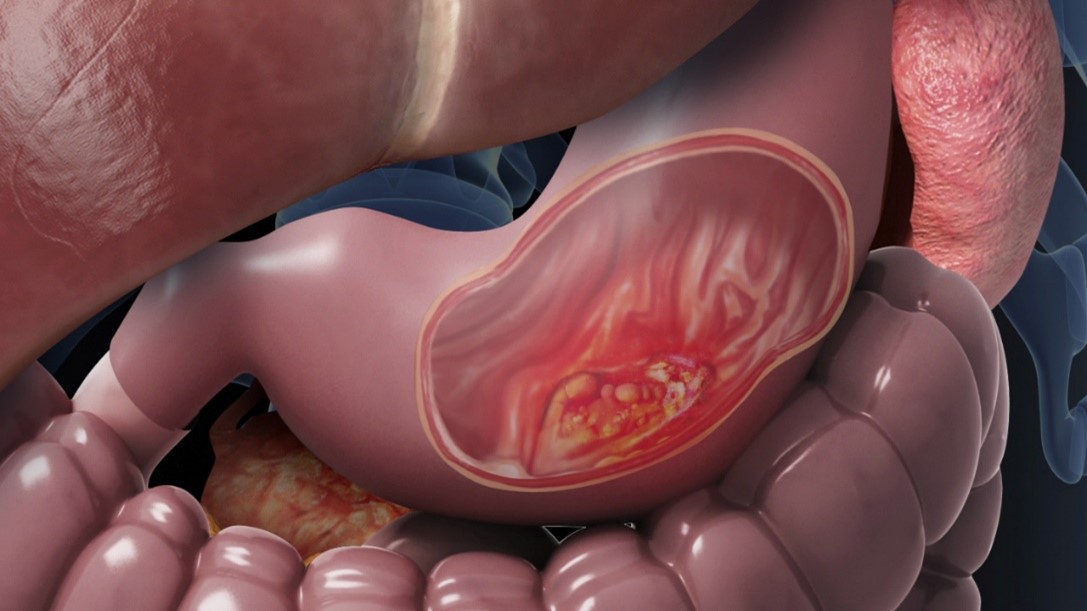
What Is Advanced Stomach Cancer?
Advanced stomach cancer generally refers to cancer that has:
-
Grown deeply into the stomach wall,
-
Spread to nearby lymph nodes,
-
Invaded nearby organs, or
-
Spread (metastasized) to distant parts of the body such as the liver, lungs, or peritoneum.
The symptoms vary depending on the size and location of the tumor and whether the cancer has spread.
Who Is at Higher Risk?
Several factors may increase the risk of developing stomach cancer, including:
-
Increasing age
-
Infection with Helicobacter pylori (H. pylori)
-
Smoking
-
Family history of stomach cancer
-
Certain inherited genetic conditions
-
Long-term chronic gastritis
-
Previous stomach surgery
-
Diets high in heavily salted, smoked, or processed foods
-
Obesity (for certain stomach cancers)
Having one or more risk factors does not mean someone will develop stomach cancer.
1. Persistent Upper Abdominal Pain or Discomfort
One of the more common symptoms is ongoing discomfort in the upper abdomen.
People may describe it as:
-
A dull ache
-
Burning pain
-
Pressure
-
Fullness
-
Persistent indigestion
Unlike occasional indigestion after a large meal, this discomfort tends to persist or gradually worsen.
However, abdominal pain has many possible causes and is far more commonly due to non-cancerous digestive conditions.
2. Unexplained Weight Loss
Unexpected weight loss is one of the more concerning symptoms of many cancers, including advanced stomach cancer.
Weight loss may occur because:
-
Appetite decreases.
-
Eating becomes uncomfortable.
-
The tumor interferes with digestion.
-
The body uses more energy because of cancer.
Any significant, unintentional weight loss should be evaluated by a healthcare professional.
3. Difficulty Swallowing or Feeling Full Quickly
Depending on the location of the tumor, people may notice:
-
Food getting stuck
-
Difficulty swallowing
-
Feeling full after eating only a small amount
-
Reduced appetite
This early fullness, known as early satiety, can contribute to poor nutrition and weight loss.
4. Persistent Nausea or Vomiting
As stomach cancer progresses, it may interfere with the normal passage of food through the stomach.
Possible symptoms include:
-
Frequent nausea
-
Vomiting after meals
-
Persistent indigestion
-
Difficulty keeping food down
Vomiting can also occur with stomach ulcers, infections, food poisoning, or intestinal obstruction, so medical evaluation is essential.
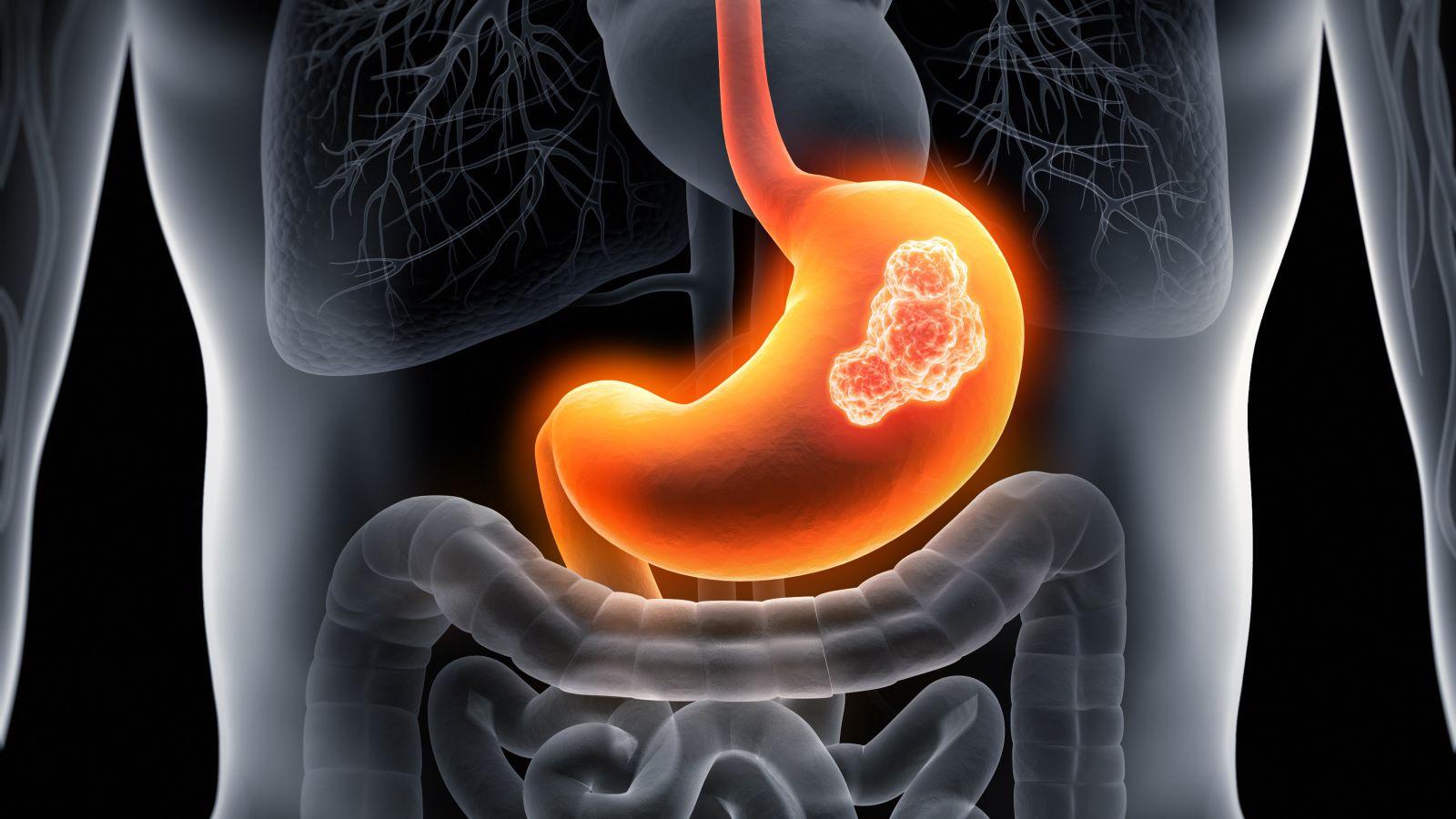
5. Blood in Vomit or Black, Tarry Stools
One of the most serious warning signs is gastrointestinal bleeding.
This may appear as:
-
Vomiting blood
-
Vomit that resembles coffee grounds
-
Black, sticky, tar-like stools (melena)
These symptoms indicate bleeding somewhere in the upper digestive tract.
While stomach cancer is one possible cause, bleeding ulcers are much more common.
Blood in vomit or black stools requires immediate medical attention.
6. Persistent Fatigue and Weakness
Advanced stomach cancer may lead to fatigue through several mechanisms.
These include:
-
Chronic blood loss
-
Iron-deficiency anemia
-
Poor nutrition
-
Weight loss
-
The body's response to cancer
Fatigue that does not improve with rest and persists for several weeks deserves medical evaluation.
7. Abdominal Swelling or a Lump
As the disease progresses, some people may develop:
-
Visible abdominal swelling
-
A feeling of abdominal fullness
-
Fluid accumulation in the abdomen (ascites)
-
A noticeable abdominal mass
These symptoms often indicate advanced disease and require prompt medical assessment.
Other Symptoms That May Occur
Some people with advanced stomach cancer may also experience:
-
Loss of appetite
-
Heartburn that does not improve
-
Frequent belching
-
Persistent bloating
-
Constipation
-
Diarrhea
-
General weakness
-
Pale skin from anemia
Again, these symptoms are not unique to stomach cancer.
Why Early Stomach Cancer Is Difficult to Detect
One reason stomach cancer is often diagnosed late is that early-stage disease may produce few or no symptoms.
When symptoms are present, they often resemble common digestive complaints such as:
-
Mild indigestion
-
Occasional heartburn
-
Bloating
-
Mild stomach discomfort
Because these symptoms are common and often caused by non-cancerous conditions, diagnosis may be delayed.
How Is Stomach Cancer Diagnosed?
Symptoms alone cannot diagnose stomach cancer.
Healthcare professionals may recommend:
Upper Endoscopy (Gastroscopy)
This is the most important test.
A flexible camera is inserted through the mouth to examine the esophagus, stomach, and beginning of the small intestine.
Biopsy
During endoscopy, small tissue samples can be removed.
A biopsy is necessary to confirm whether cancer is present.
CT Scan
CT imaging helps determine:
-
Tumor size
-
Spread to lymph nodes
-
Spread to other organs
Endoscopic Ultrasound (EUS)
This test may help determine how deeply the cancer has grown into the stomach wall and whether nearby lymph nodes are involved.
Blood Tests
Blood tests cannot diagnose stomach cancer but may identify:
-
Anemia
-
Nutritional deficiencies
-
Liver abnormalities
-
General health status before treatment
Treatment Options
Treatment depends on:
-
Cancer stage
-
Tumor location
-
Overall health
-
Patient preferences
Treatment may include:
-
Surgery
-
Chemotherapy
-
Radiation therapy
-
Targeted therapy
-
Immunotherapy
-
Palliative care to relieve symptoms and improve quality of life
Many people receive a combination of treatments.
Can Stomach Cancer Be Prevented?
Not every case can be prevented, but some lifestyle habits may help lower risk.
These include:
-
Avoid smoking.
-
Maintain a healthy body weight.
-
Eat plenty of fruits and vegetables.
-
Limit heavily salted and smoked foods.
-
Seek evaluation and treatment for H. pylori infection when appropriate.
-
Limit alcohol intake.
-
Stay physically active.
These habits support overall digestive health as well.
Common Myths About Stomach Cancer
Myth 1: Stomach Cancer Always Causes Severe Pain
False.
Many people have little or no pain in the early stages.
Myth 2: Heartburn Always Means Cancer
False.
Heartburn is much more commonly caused by acid reflux than stomach cancer.
Persistent or worsening symptoms, however, should be evaluated.
Myth 3: Only Older Adults Get Stomach Cancer
False.
Although the risk increases with age, stomach cancer can occur in younger adults, particularly those with certain inherited conditions or other risk factors.
Myth 4: If Symptoms Come and Go, It Can't Be Serious
False.
Some serious medical conditions, including stomach cancer, may initially cause intermittent symptoms.
Persistent or recurring symptoms should not be ignored.
When Should You See a Healthcare Professional?
Schedule a medical evaluation if you experience:
-
Persistent upper abdominal pain lasting several weeks.
-
Difficulty swallowing.
-
Feeling full after eating very small amounts.
-
Unexplained weight loss.
-
Ongoing nausea or vomiting.
-
Persistent fatigue without a clear cause.
-
A strong family history of stomach cancer along with new digestive symptoms.
Seek emergency medical care immediately if you experience:
-
Vomiting blood.
-
Black, tar-like stools.
-
Severe abdominal pain.
-
Inability to keep liquids down.
-
Signs of severe dehydration or fainting.
Final Thoughts
Advanced stomach cancer can cause symptoms such as persistent abdominal discomfort, unexplained weight loss, early fullness, nausea, gastrointestinal bleeding, fatigue, and abdominal swelling. However, these symptoms are not specific to stomach cancer and are often caused by other, more common digestive conditions. Because early stomach cancer frequently causes few or no symptoms, waiting for severe symptoms to appear can delay diagnosis.
If digestive symptoms persist, worsen, or are accompanied by warning signs such as unexplained weight loss, vomiting blood, or black stools, prompt medical evaluation is essential. Diagnosis requires appropriate testing—particularly upper endoscopy with biopsy - rather than relying on symptoms alone. Early detection offers the best chance for effective treatment and improved outcomes.