Kidney disease is often called a “silent condition” because it can develop gradually without obvious symptoms. Many people don’t realize there is a problem until significant damage has already occurred.
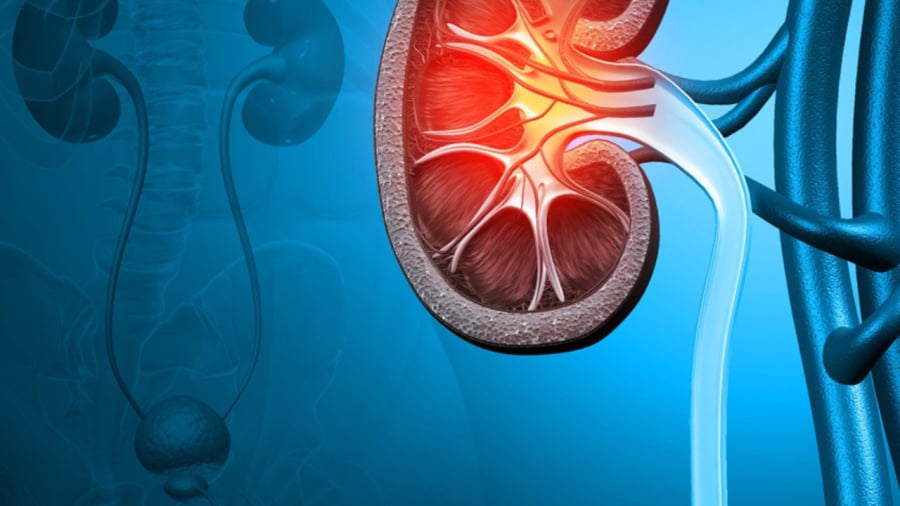
Your kidneys play a vital role in filtering waste, balancing fluids, regulating blood pressure, and maintaining overall health. When they begin to lose function, it can affect nearly every system in the body.
While kidney disease can affect anyone, certain groups of people are at much higher risk. Understanding these risk factors is essential for early prevention and long-term health.

1. People with Diabetes
Diabetes is one of the leading causes of kidney disease worldwide.
High blood sugar levels can damage the tiny blood vessels in the kidneys over time, reducing their ability to filter waste properly.
If not well controlled, diabetes may lead to:
- Protein leakage in urine
- Gradual loss of kidney function
- Increased risk of kidney failure
Regular monitoring and blood sugar control are critical for protecting kidney health.
2. People with High Blood Pressure
High blood pressure (hypertension) puts extra strain on the blood vessels, including those in the kidneys.
Over time, this pressure can:
- Narrow or weaken kidney blood vessels
- Reduce blood flow
- Impair filtering ability
Kidney disease and high blood pressure often create a cycle, where each condition worsens the other.
3. People Who Regularly Take Painkillers (Especially Long-Term Use)
This is one of the most overlooked but important risk factors.
Frequent use of certain medications — especially nonsteroidal anti-inflammatory drugs (NSAIDs) such as ibuprofen — can harm the kidneys when used excessively or over long periods.
These medications may:
- Reduce blood flow to the kidneys
- Cause inflammation or damage to kidney tissue
- Lead to gradual decline in kidney function
Many people take painkillers for headaches, muscle pain, or chronic conditions without realizing the long-term impact.
This group is especially important because:
- The damage is often slow and unnoticed
- It can occur even in otherwise healthy individuals
- It is largely preventable with proper use and medical guidance
If you rely on painkillers frequently, it’s important to consult a healthcare professional and avoid self-medication.
4. People Who Are Overweight or Obese
Excess body weight increases the workload on the kidneys and is closely linked to other risk factors such as diabetes and high blood pressure.
Obesity can:
- Alter kidney function
- Increase inflammation
- Raise the risk of metabolic disorders
Maintaining a healthy weight can significantly reduce the risk of kidney-related problems.
5. People Who Drink Too Little Water
Hydration plays a key role in kidney function.
When you don’t drink enough water:
- Waste products become more concentrated
- Kidney workload increases
- Risk of kidney stones and infections rises
Chronic dehydration may contribute to long-term kidney stress.
6. People with a High-Salt or Unhealthy Diet
A diet high in:
- Salt
- Processed foods
- Excess protein (in some cases)
…can negatively affect kidney health.
Too much salt can:
- Increase blood pressure
- Cause fluid retention
- Strain the kidneys
Balanced nutrition is essential for maintaining healthy kidney function.
7. People with a Family History of Kidney Disease
Genetics also play a role in kidney health.
If you have a family history of kidney disease, you may have a higher risk of developing similar conditions.
This makes it even more important to:
- Monitor kidney function regularly
- Adopt healthy lifestyle habits
- Be proactive with medical check-ups
Why Kidney Disease Is Often Missed
One of the biggest challenges is that early kidney disease may not cause noticeable symptoms.
In many cases, people feel normal until the condition becomes advanced. When symptoms do appear, they may include:
- Fatigue
- Swelling in legs or face
- Changes in urination
- Difficulty concentrating
By this stage, significant damage may have already occurred.
How to Protect Your Kidneys
Even if you fall into one of these high-risk groups, there are steps you can take to protect your kidney health:
- Stay hydrated
- Maintain healthy blood sugar and blood pressure
- Limit unnecessary use of medications
- Eat a balanced, low-sodium diet
- Exercise regularly
- Schedule routine health check-ups
Small, consistent habits can have a major impact over time.
Final Thoughts
Kidney disease doesn’t happen overnight - it develops gradually, often without warning. That’s why awareness is so important.
Among all the risk groups, those who frequently use painkillers without medical guidance may be the most overlooked, yet the risk is very real.
By understanding these seven groups and recognizing your own risk factors, you can take proactive steps to protect your kidneys and maintain long-term health.
Because when it comes to your kidneys, prevention is always better than treatment.