7 Warnings Your Body Gives You When You’re Too Stressed
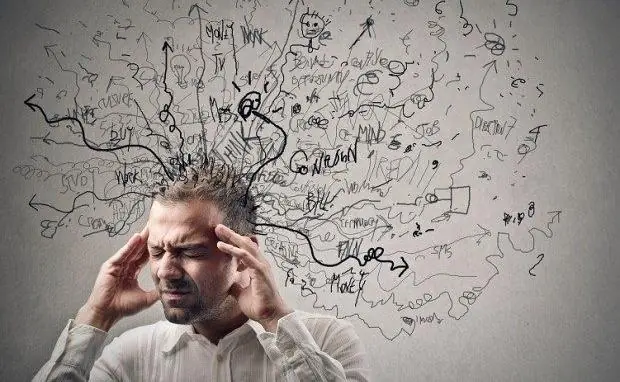
Stress isn’t just “in your head.” When it builds up, your body starts dropping signals—some subtle, some impossible to ignore. The tricky part? Most people brush them off until things get worse.
If you’ve been feeling “off” lately, this might explain why.
🧠 What Stress Actually Does to Your Body
7
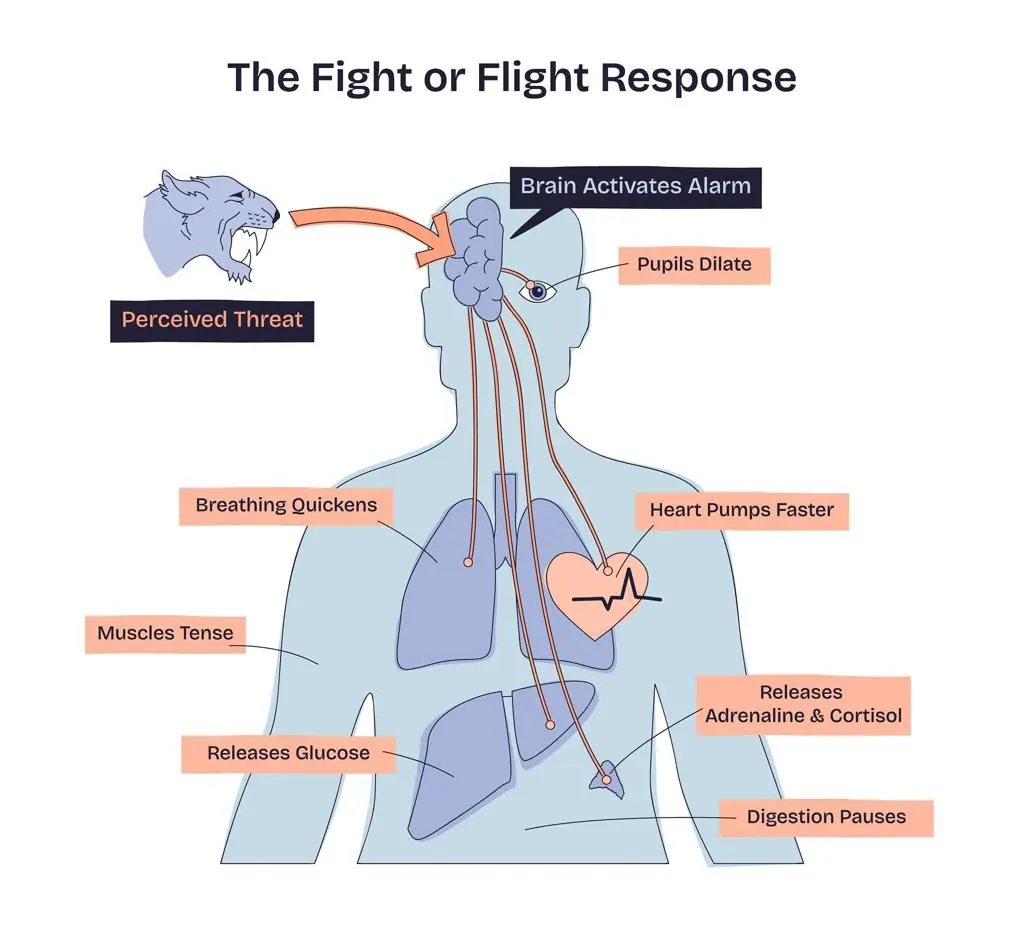
When you’re stressed, your body switches into fight-or-flight mode:
- Cortisol and adrenaline spike
- Heart rate increases
- Muscles tighten
- Digestion slows down
Good for short-term survival… terrible when it becomes your daily default.
⚠️ 7 Warning Signs You Shouldn’t Ignore
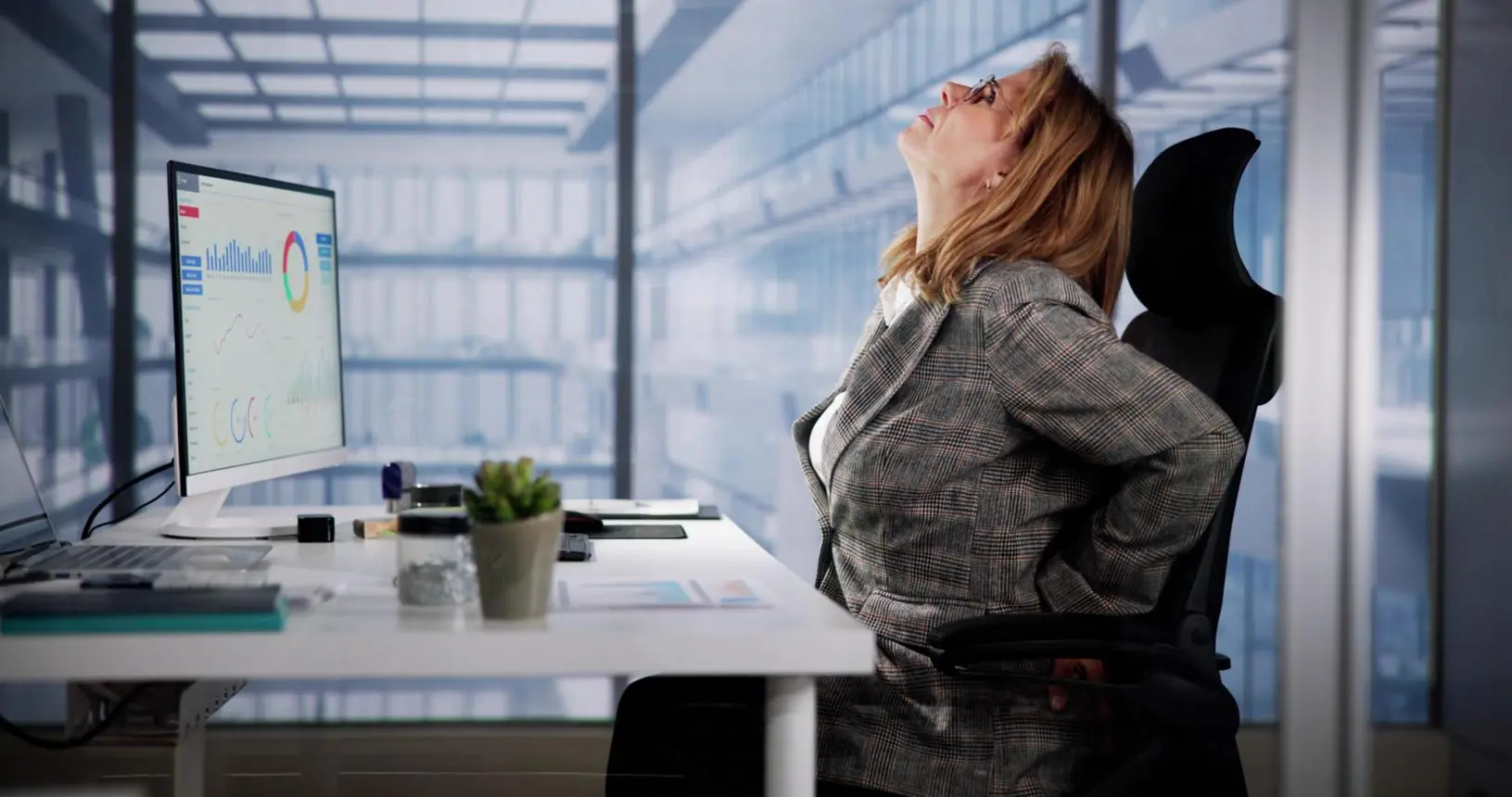
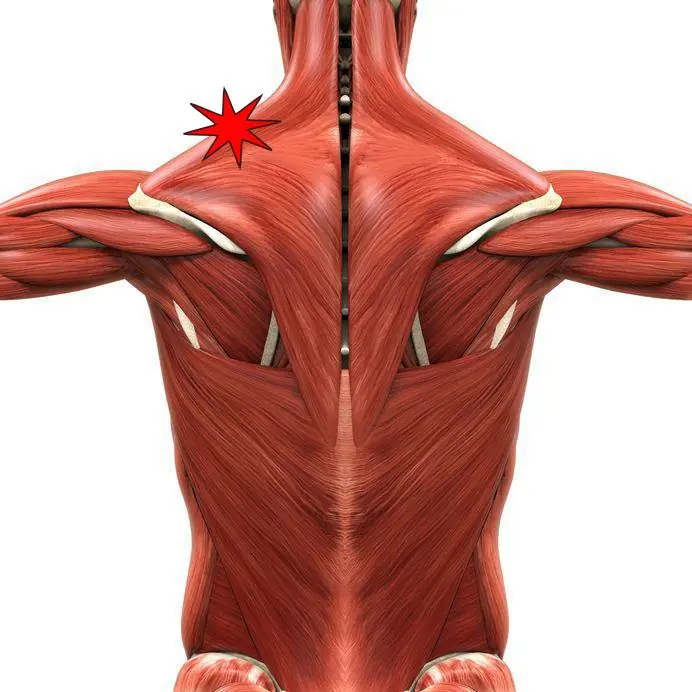
1. Constant Muscle Pain (Especially Neck & Back)

7
Stress makes your muscles stay slightly contracted all day.
👉 Result: stiffness, soreness, and that annoying “tight” feeling.
2. Frequent Headaches
Tension headaches feel like:
- Pressure around your head
- Tight band sensation
Often triggered by stress + poor posture combo.
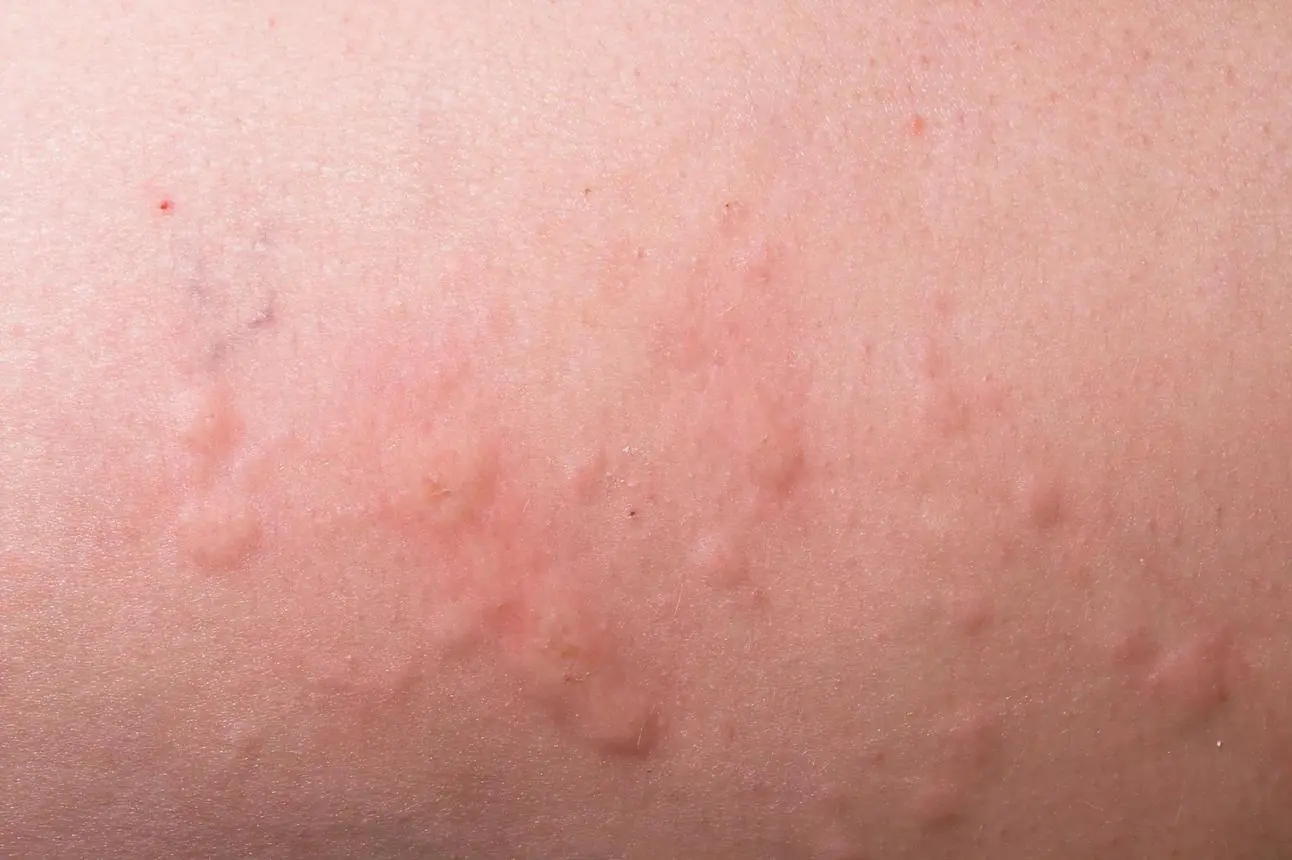
3. Skin Problems (Acne, Rashes, Itching)


6
Stress increases inflammation → your skin reacts fast.
4. Digestive Issues
Your gut and brain are linked.
Stress can cause:
- Bloating
- Stomach pain
- Constipation or diarrhea
5. Trouble Sleeping



6
Overthinking at night? That’s stress refusing to clock out.
6. Constant Fatigue (Even After Sleeping)
You wake up tired, stay tired, and feel drained all day.
👉 That’s your nervous system overloaded.
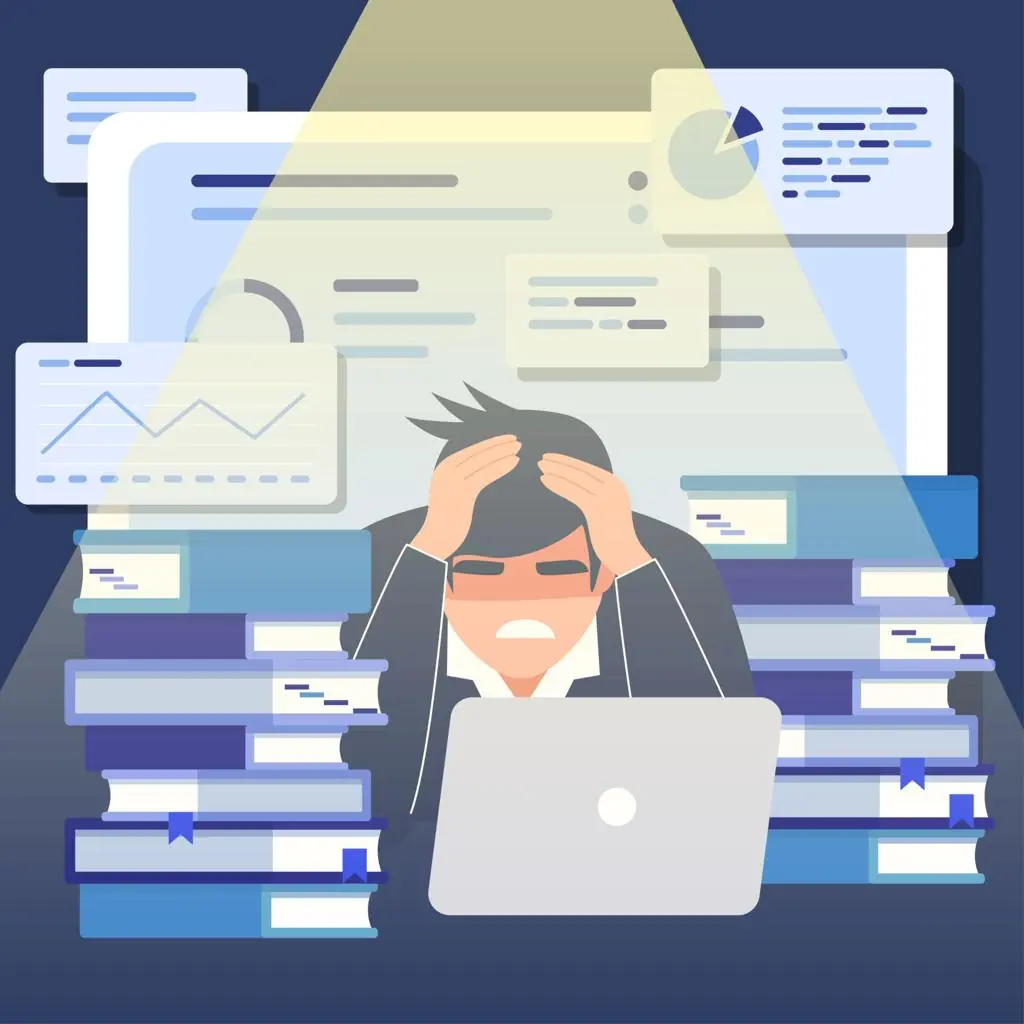
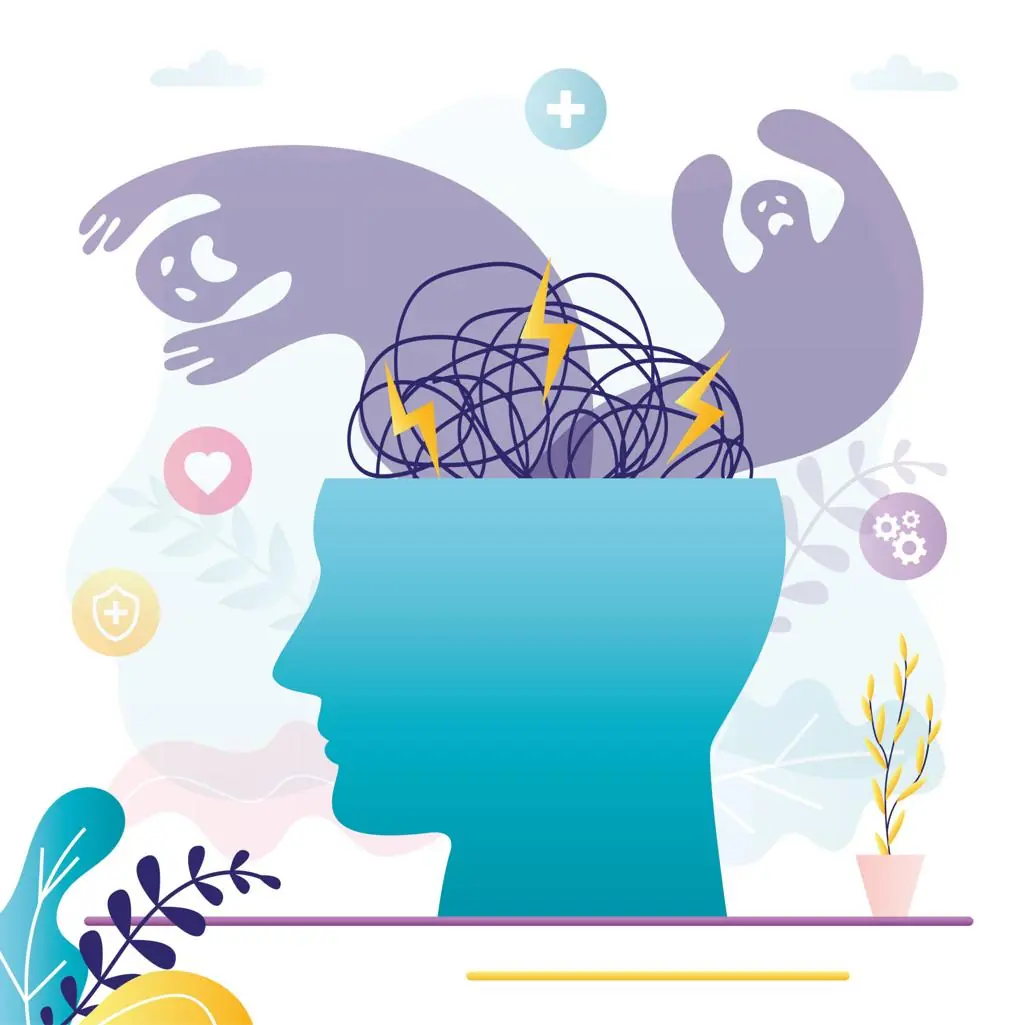
7. Brain Fog & Irritability
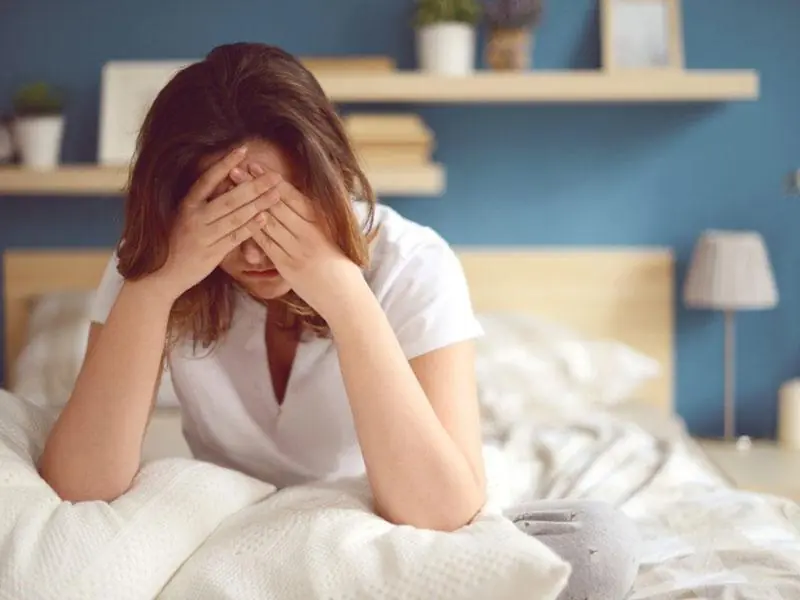
8
- Can’t focus
- Forget things easily
- Get annoyed over small stuff
That’s mental overload, not laziness.
🚨 When Stress Becomes Dangerous
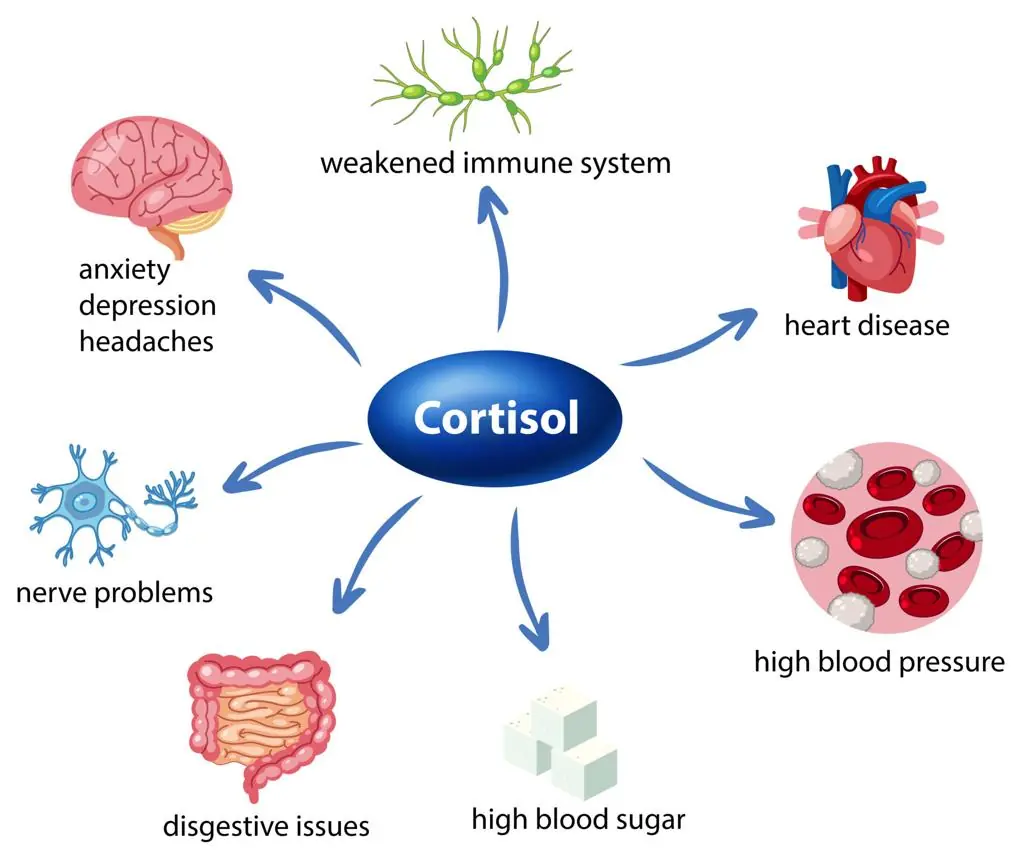
If stress is constant, it can increase risk of:
- Heart problems
- Weakened immune system
- Anxiety or depression
So yeah—this isn’t something to “just deal with.”
💡 How To Reset Your Body (Without Overcomplicating It)


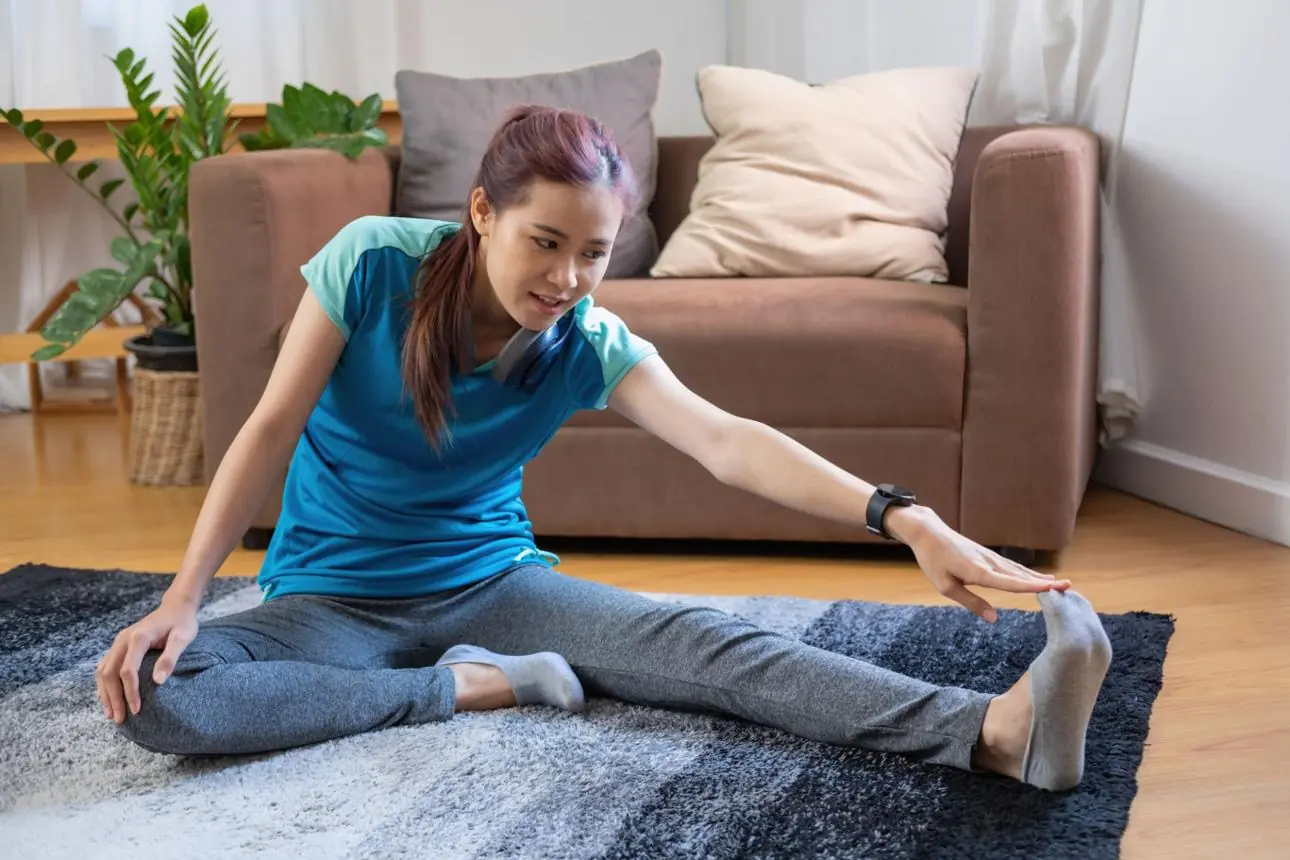
6
Keep it simple, but consistent:
- Move your body daily (even 10–15 mins)
- Get sunlight + fresh air
- Limit screen overload
- Try slow breathing (seriously, it works)
- Give your brain actual downtime
✨ Real Talk
Stress doesn’t suddenly “break” you.
It builds quietly… then shows up through your body.
Ignoring it = symptoms get louder
Handling it early = you stay in control
🧘 Final Take
If your body is sending signals, don’t mute them.
Listen. Adjust. Reset.
Because the goal isn’t to eliminate stress completely—
it’s to stop it from running your life.
Beyond the Seven Warning Signs: How Chronic Stress Affects Your Health and What You Can Do About It
Stress is a normal part of being human. Everyone experiences it at some point—before an important meeting, during a difficult conversation, while dealing with financial pressure, or when life suddenly becomes unpredictable.
In small amounts, stress can even be useful. It helps you stay alert, react quickly, and focus on challenges that require your attention.
But there is a difference between experiencing stress occasionally and living in a constant state of tension.
When your body rarely gets the opportunity to relax, the effects can reach far beyond headaches, muscle pain, or sleepless nights. Chronic stress may influence your hormones, digestion, immune function, cardiovascular health, relationships, and even the way you think about yourself.
The most important thing to understand is that stress does not affect everyone in exactly the same way. Some people become restless and anxious. Others feel unusually tired, emotionally numb, or disconnected from the people around them.
Recognizing these patterns can help you respond earlier instead of waiting until exhaustion becomes impossible to ignore.
1. Your Stress Response Is Designed to Protect You, Not Control You
Your body has a built-in system that helps you respond to danger. This is commonly called the stress response.
When your brain perceives a threat, it activates a network involving the nervous system and hormonal signals. Your adrenal glands release hormones such as adrenaline and cortisol, helping prepare your body to respond.
Your heart may beat faster. Your breathing may become quicker. Blood flow shifts toward muscles that could be needed for immediate action. Your attention becomes more focused on the situation that appears threatening.
This response is useful when you need to react quickly.
Imagine stepping into the road and suddenly noticing an approaching vehicle. Your body does not need several minutes to decide what to do. It reacts rapidly, helping you move out of danger.
However, modern stressors are often different.
You may not be running from a physical threat. Instead, you may be worrying about an unpaid bill, an approaching deadline, a difficult relationship, an uncertain future, or a problem that keeps returning to your thoughts.
Even when the threat is not physically dangerous, your brain can still respond as though something important needs immediate attention.
If this happens repeatedly, your stress response may remain active for longer than is helpful.
That does not mean your body is permanently damaged or that every stressful day causes disease. It means your body needs enough recovery time between stressful experiences.
The goal is not to eliminate every stressful situation. It is to help your nervous system move between alertness and relaxation rather than remaining stuck in one state.
2. Stress Can Change the Way You Breathe
Breathing is something most people rarely think about. It happens automatically, whether you are working, sleeping, walking, or talking.
But when you feel anxious or overwhelmed, your breathing pattern may change.
You might notice that you are breathing more quickly, taking shallow breaths, sighing frequently, or feeling as though you cannot get a satisfying deep breath.
Some people also unconsciously hold their breath while concentrating on difficult tasks.
These changes can become more noticeable during periods of prolonged tension.
Rapid breathing can sometimes contribute to symptoms such as lightheadedness, tingling sensations, chest tightness, and a feeling of being unable to relax.
This can create an uncomfortable cycle.
You notice an unusual sensation, become worried about it, breathe more rapidly, and then experience even more physical discomfort.
A simple breathing exercise
One practical way to interrupt this cycle is to slow your breathing gently.
Try the following:
-
Sit comfortably and allow your shoulders to relax.
-
Breathe in slowly through your nose.
-
Exhale gently, allowing the breath to leave without forcing it.
-
Continue for one or two minutes.
-
Keep the breathing comfortable rather than trying to take unusually large breaths.
You can also make your exhale slightly longer than your inhale if that feels natural.
The purpose is not to achieve a perfect breathing pattern. It is simply to give your body a chance to settle.
If breathing exercises make you feel dizzy or uncomfortable, stop and return to your normal breathing.
Importantly, do not automatically assume that shortness of breath or chest discomfort is caused by stress. New, severe, or persistent breathing difficulties deserve medical assessment. Sudden chest pain, fainting, severe shortness of breath, or symptoms suggesting a heart attack require urgent medical attention.