7 Early Signs of Nasopharyngeal Cancer You Should Never Ignore
Nasopharyngeal cancer is a type of cancer that develops in the nasopharynx—the upper part of the throat behind the nose. It is relatively rare, but it can be serious if not detected early. One of the challenges is that early symptoms often resemble common conditions like colds or sinus infections, which can delay diagnosis.
Recognizing warning signs early can make a significant difference in treatment outcomes.

1. Persistent nasal congestion
A blocked or stuffy nose that does not improve over time, especially if it affects only one side, can be an early warning sign. It is often mistaken for allergies or sinusitis.
2. Frequent nosebleeds
Occasional nosebleeds are common, but repeated or unexplained bleeding from the nose should not be ignored, particularly if it occurs alongside other symptoms.
3. Hearing problems in one ear
Fluid buildup or pressure caused by a tumor can lead to hearing loss, ringing in the ear (tinnitus), or a feeling of fullness—usually on one side.
4. Lump in the neck
One of the most common signs is a painless lump in the neck. This may indicate that the cancer has spread to nearby lymph nodes.
5. Headaches
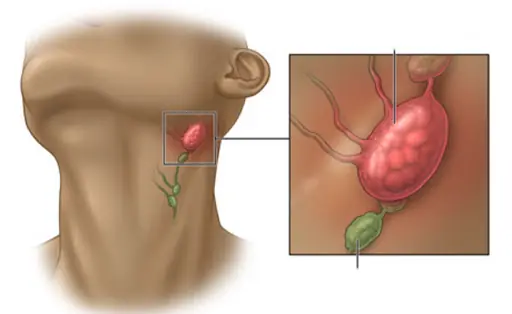
Persistent headaches that do not respond to usual treatment may be linked to pressure caused by tumor growth in the nasopharynx.
6. Facial numbness or pain
Some people may experience numbness, tingling, or pain in parts of the face due to nerve involvement.
7. Sore throat or voice changes
A long-lasting sore throat, difficulty speaking clearly, or changes in voice may also be warning signs, especially when combined with other symptoms.
Why early detection matters
Nasopharyngeal cancer is often harder to treat in later stages. According to cancer specialists, early diagnosis significantly improves treatment success and survival rates. That’s why persistent or unusual symptoms should always be evaluated by a healthcare professional.
When to see a doctor
You should seek medical advice if you experience:
- Symptoms lasting more than 2–3 weeks
- A combination of the signs listed above
- Worsening or unexplained changes in hearing, breathing, or neck swelling
Conclusion
While these symptoms do not always mean cancer, they should never be ignored if they persist. Early medical evaluation is key to ruling out serious conditions and ensuring timely treatment if needed.
Sources
- World Health Organization (WHO) – Head and neck cancers overview
- Mayo Clinic – Nasopharyngeal carcinoma symptoms and causes
- National Health Service (NHS, UK) – Nasopharyngeal cancer information
- American Cancer Society – Signs and diagnosis of nasopharyngeal cancer
7 Early Signs of Nasopharyngeal Cancer You Should Never Ignore: Symptoms, Risk Factors, Diagnosis, and Treatment
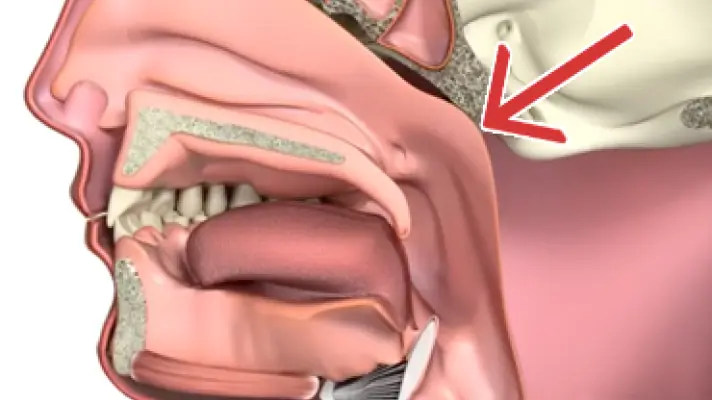
Nasopharyngeal cancer is a type of cancer that develops in the nasopharynx, the upper part of the throat located behind the nose and above the back of the mouth. Although it is relatively uncommon in many parts of the world, it is an important health concern in certain regions, including parts of Southeast Asia and southern China.
One of the greatest challenges associated with this disease is that its early symptoms can resemble ordinary health problems. A blocked nose may appear to be an allergy. A persistent headache may be attributed to stress. Hearing changes may be mistaken for an ear infection. A lump in the neck may initially seem like a harmless swollen lymph node.
Because these symptoms are often nonspecific, people may delay seeking medical advice.
Nasopharyngeal cancer can sometimes remain unnoticed until it has grown enough to affect nearby structures or spread to lymph nodes in the neck. However, recognizing persistent or unusual symptoms and obtaining an appropriate medical examination can help identify the disease and begin treatment when needed.
It is important to remember that having one or more of the symptoms described below does not mean that someone has cancer. Most of these symptoms have more common, noncancerous explanations. What matters is their duration, pattern, severity, and combination.
1. Understanding the Nasopharynx: Where Does This Cancer Develop?
The nasopharynx is a small but important area of the upper respiratory system.
It is located behind the nasal cavity and above the soft palate. It connects the nose to the throat and helps air pass from the nose toward the lower respiratory tract.
Several important structures are located nearby, including:
-
The openings of the Eustachian tubes, which connect the middle ears to the back of the nose.
-
Lymphatic tissue involved in immune defense.
-
Nerves that control sensation and certain movements of the face and head.
-
Blood vessels supplying the head and neck.
Because of this anatomy, a tumor developing in the nasopharynx can produce symptoms involving the nose, ears, neck, head, and sometimes the cranial nerves.
The most common type of nasopharyngeal cancer is nasopharyngeal carcinoma, which begins in the epithelial cells lining the nasopharynx.
Unlike many other head and neck cancers, nasopharyngeal carcinoma has a particularly strong association with Epstein-Barr virus (EBV), although infection with this virus alone does not mean that a person will develop cancer.
2. Early Sign One: Persistent Nasal Congestion
A blocked nose is one of the most familiar symptoms of respiratory illness.
It commonly occurs with colds, allergic rhinitis, sinus infections, nasal polyps, and irritation caused by environmental factors.
However, persistent nasal obstruction, especially when it affects only one side, deserves attention.
A tumor developing in the nasopharynx may gradually obstruct the passage of air through the back of the nasal cavity. As the growth increases, it may create a sensation of blockage that does not improve in the usual way.
Some people notice:
-
One nostril feels consistently more blocked than the other.
-
Nasal congestion continues despite ordinary treatment.
-
Breathing through the nose becomes increasingly difficult.
-
There is a persistent feeling of pressure behind the nose.
-
Nasal discharge becomes unusual or repeatedly contains blood.
Why One-Sided Congestion Matters
Ordinary allergies often affect both sides of the nose, although symptoms can fluctuate and may sometimes feel worse on one side.
Persistent one-sided obstruction may have several causes, including a deviated nasal septum, nasal polyps, chronic inflammation, or a structural abnormality.