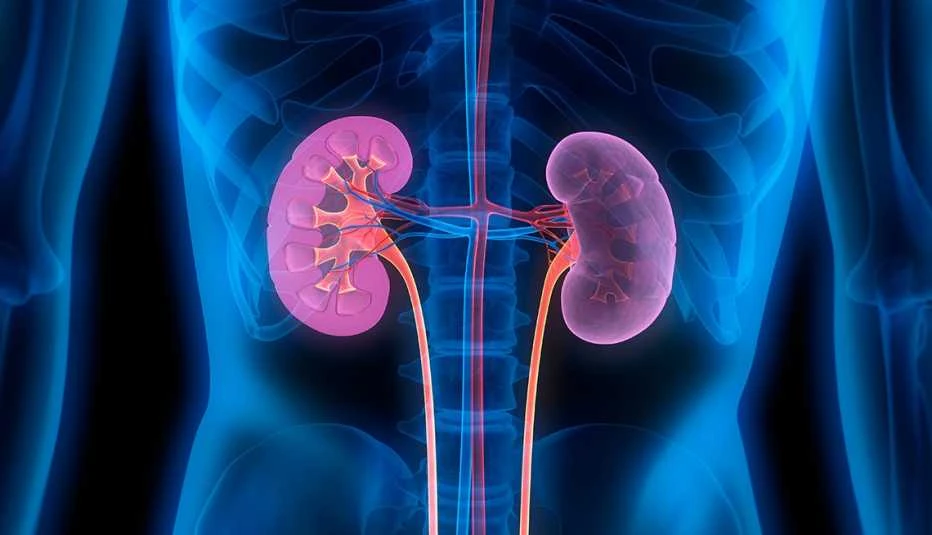
Your kidneys are vital organs that quietly perform essential functions every second of the day. They filter waste and excess fluids from your blood, regulate electrolytes, control blood pressure, and support red blood cell production. Because they work behind the scenes, early signs of kidney problems can be subtle—and easy to ignore.
However, when kidney function begins to decline, your body often sends warning signals. Recognizing these signs early can make a critical difference, as untreated kidney issues can progress into serious conditions, including chronic kidney disease or kidney failure.
Here are seven warning signs that your kidneys may not be functioning properly—and why you should take them seriously.
1. Persistent Fatigue and Low Energy
One of the earliest and most common signs of kidney dysfunction is ongoing fatigue.
Why it happens:
Healthy kidneys produce a hormone called erythropoietin, which helps create red blood cells. When kidney function declines, fewer red blood cells are produced, leading to anemia.
What you may feel:
- Constant tiredness
- Difficulty concentrating
- Weakness even after rest
2. Changes in Urination
Since your kidneys are responsible for producing urine, any disruption in their function often shows up in your bathroom habits.
Watch for:
- Urinating more or less frequently than usual
- Foamy or bubbly urine (possible protein leakage)
- Dark, cloudy, or bloody urine
- Pain or difficulty when urinating
These changes can be early indicators of kidney stress or damage.
3. Swelling in the Feet, Ankles, or Face
When kidneys fail to remove excess fluid and sodium effectively, fluid can build up in the body.
Common signs:
- Swollen feet or ankles
- Puffiness around the eyes
- Tight or shiny skin in affected areas
This condition, known as edema, is a key signal that your kidneys may not be filtering properly.
4. Shortness of Breath
Difficulty breathing can sometimes be linked to kidney issues.
Possible reasons:
- Fluid buildup in the lungs
- Anemia reducing oxygen delivery
If shortness of breath occurs alongside other symptoms, it should not be ignored.
5. Persistent Itching
A buildup of waste products in the blood—known as uremia—can cause intense itching.
What it feels like:
- Dry, irritated skin
- Itching that doesn’t improve with moisturizers
This symptom often appears in more advanced stages of kidney dysfunction.
6. Metallic Taste in the Mouth or Bad Breath
Kidney problems can affect how your body processes waste, leading to noticeable changes in taste and smell.
Signs include:
- A metallic or ammonia-like taste
- Persistent bad breath
- Reduced appetite
These changes can also contribute to unintended weight loss.
7. Muscle Cramps and Sleep Issues
Electrolyte imbalances caused by poor kidney function can affect muscles and nerves.
Common symptoms:
- Frequent muscle cramps, especially at night
- Restless sleep or insomnia
- Difficulty staying asleep
These issues often develop gradually but can worsen over time.
Why Early Detection Matters
Kidney disease often progresses silently. By the time symptoms become severe, significant damage may have already occurred. Early diagnosis allows for better management, slowing progression and preventing complications.
When Should You Seek Medical Attention?
You should consult a healthcare professional immediately if:
- You experience multiple symptoms at once
- Symptoms persist or worsen over time
- You have risk factors such as diabetes, high blood pressure, or a family history of kidney disease
Simple tests—like blood work and urine analysis—can help assess kidney function quickly.
The Bottom Line
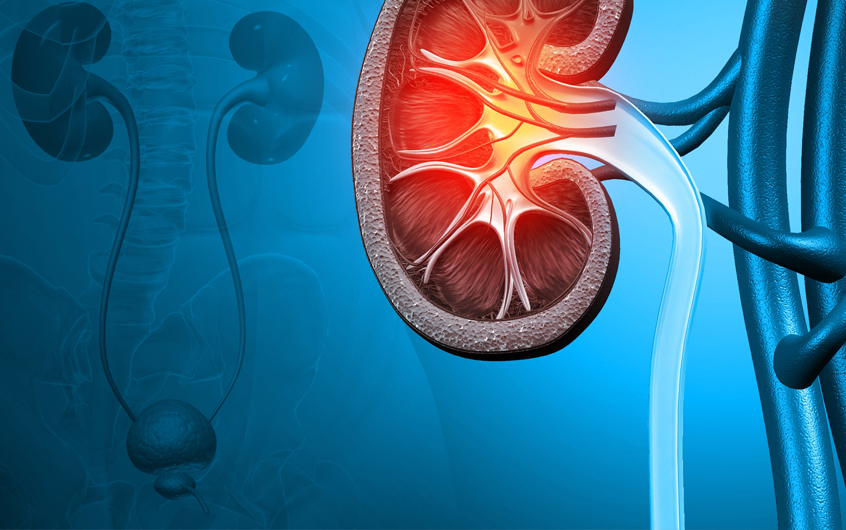
Your kidneys play a crucial role in maintaining your overall health, and even small changes in their function can have widespread effects on your body. Fatigue, swelling, changes in urination, and other symptoms may seem minor at first—but they can be early warning signs of a serious issue.
Listening to your body and seeking timely medical care can make all the difference. When it comes to kidney health, early action is not just important—it can be life-saving.