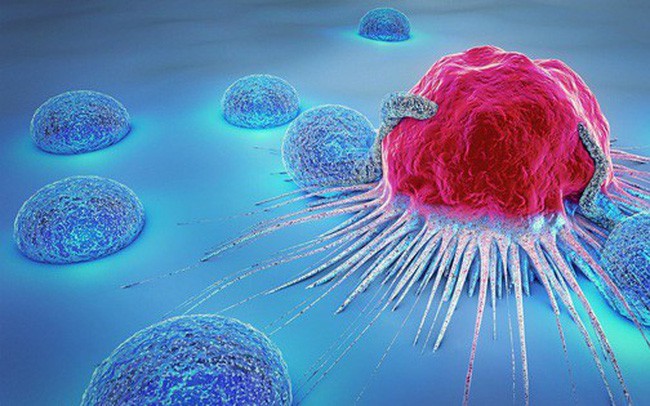
Cancer is one of the most feared diseases worldwide - not only because of its physical consequences, but also because of the emotional and
psychological weight it places on individuals and families. While modern medicine has made extraordinary advances in early detection,
targeted therapies, and survival outcomes, scientists increasingly agree on one important point: what we eat matters.
Diet cannot cure cancer, and no single food can prevent it entirely. However, a growing body of research shows that certain foods can
support the body’s natural defense systems, helping to reduce chronic inflammation, protect DNA from damage, strengthen immune
surveillance, and create internal conditions that are less favorable for abnormal cell growth.
When consumed consistently as part of a balanced, whole-food diet, these nutrient-dense foods may play a meaningful role in cancer
prevention, resilience, and recovery support.
Below are eight powerful foods, backed by nutritional science and research, that may help the body defend itself naturally.
1. Cruciferous Vegetables (Broccoli, Cauliflower, Cabbage)
Cruciferous vegetables are among the most extensively studied foods in cancer nutrition. This group includes broccoli, Brussels sprouts, kale,
cauliflower, and cabbage.
They are rich in sulfur-containing compounds such as sulforaphane and indole-3-carbinol, which are known for their protective cellular
effects.
Potential benefits:
-
Activate detoxification enzymes in the liver
-
Help neutralize carcinogens before they damage DNA
-
Support the body’s ability to regulate abnormal cell growth
Population studies consistently link regular consumption of cruciferous vegetables to lower risks of several cancers, particularly digestive,
breast, and hormone-related cancers.
2. Garlic and Onions
Garlic, onions, leeks, and shallots belong to the allium family, known for their strong aroma and equally strong health benefits.
These foods contain organosulfur compounds that have been shown to influence immune function and cellular health.
Why they matter:
-
Support immune system activity
-
May promote programmed cell death (apoptosis) in abnormal cells
-
Reduce inflammation and oxidative stress
Observational studies suggest that people who regularly consume garlic and onions may have a reduced risk of stomach, colorectal, and
esophageal cancers.
3. Turmeric
Turmeric has been used for centuries in traditional medicine, and modern science has confirmed much of its potential. Its active compound,
curcumin, is a potent antioxidant and anti-inflammatory agent.
How it may help:
-
Inhibits inflammatory pathways linked to cancer development
-
Interferes with cancer cell signaling and growth
-
May enhance the effectiveness of certain therapies when used alongside medical care
Curcumin is best absorbed when consumed with black pepper (which contains piperine) and healthy fats.
4. Berries (Blueberries, Strawberries, Raspberries)
Berries are nutritional powerhouses packed with polyphenols, flavonoids, and anthocyanins—compounds that help protect cells from
oxidative damage.
Health advantages:
-
Neutralize free radicals that can damage DNA
-
Support DNA repair mechanisms
-
May slow tumor growth in laboratory and animal studies
Their high fiber content also supports gut health, which plays a central role in immune regulation and inflammation control.
5. Green Tea
Green tea has been widely studied for its health-promoting properties, largely due to its high content of catechins, especially
epigallocatechin gallate (EGCG).
Research suggests green tea may:
-
Inhibit cancer cell proliferation
-
Reduce angiogenesis (the formation of blood vessels that supply tumors)
-
Support detoxification and cellular protection
Regular consumption of green tea, especially when replacing sugary or processed beverages, may contribute to long-term disease prevention.
6. Leafy Green Vegetables
Spinach, Swiss chard, arugula, collard greens, and other leafy greens provide essential nutrients such as folate, chlorophyll, vitamins A, C,
and K, and important minerals.
Key roles:
-
Support DNA synthesis and repair
-
Aid in toxin elimination
-
Strengthen immune response
Folate deficiency has been associated with increased cancer risk, making leafy greens a cornerstone of a cancer-supportive diet.
7. Plant-Based Omega-3 Sources (Flaxseeds, Chia Seeds, Walnuts)
Chronic inflammation is a major driver of cancer development. Omega-3 fatty acids are well known for their anti-inflammatory effects.
Benefits include:
-
Reduction of inflammatory markers
-
Support for healthy cell membranes
-
Improved immune regulation
Plant-based omega-3 sources are especially valuable for individuals following vegetarian or plant-forward diets and can be easily added to
daily meals.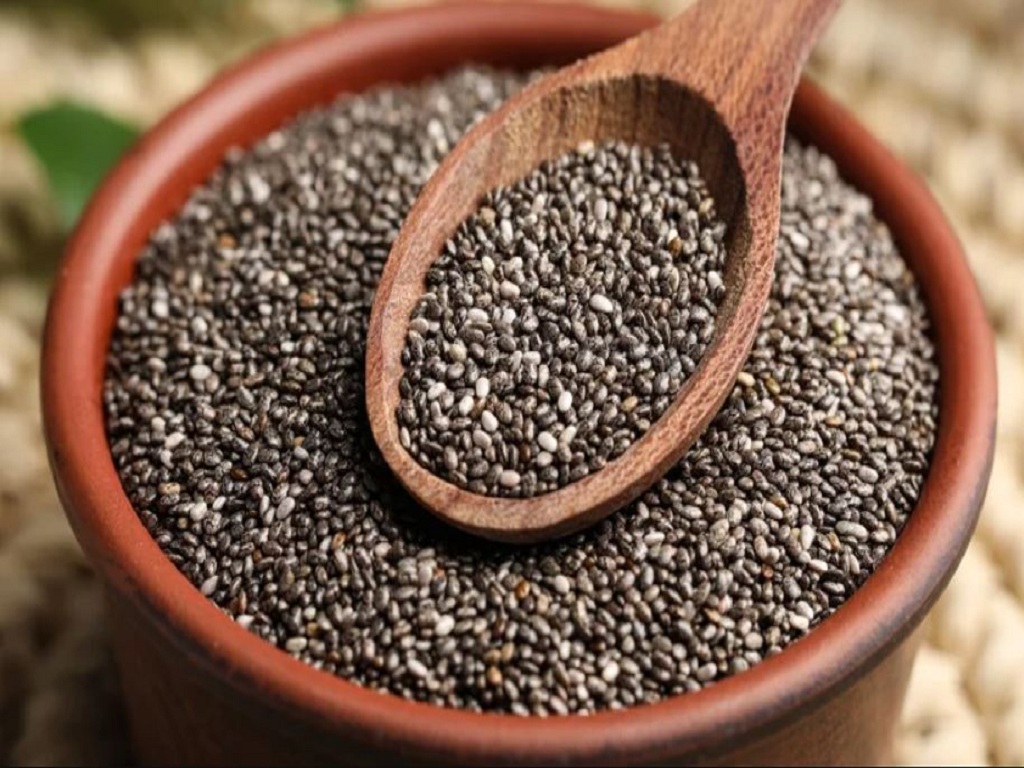
8. Mushrooms
Both culinary and medicinal mushrooms contain beta-glucans and polysaccharides, compounds that play a role in immune modulation.
Why mushrooms matter:
-
Enhance the activity of natural killer (NK) cells
-
Support immune surveillance against abnormal cells
-
Improve overall immune resilience
Varieties such as shiitake, maitake, and reishi have long been valued in traditional medicine systems and are increasingly studied in modern
research.
How Diet Supports Cancer Prevention and Recovery
It is essential to be clear: nutrition does not replace medical treatment. However, diet can play a powerful supportive role by helping the
body tolerate treatment, recover more effectively, and maintain strength.
A nutrient-rich diet may:
-
Reduce treatment-related inflammation
-
Support energy levels and muscle maintenance
-
Improve gut health and immune balance
-
Enhance overall quality of life
Rather than focusing on one “miracle” food, research consistently points to the benefits of dietary patterns rich in whole, minimally
processed foods.
Practical Tips for Daily Incorporation
-
Aim for a wide range of colors on your plate
-
Choose whole foods over supplements whenever possible
-
Combine anti-inflammatory foods regularly
-
Focus on consistency, not perfection
Small, sustainable changes practiced daily are far more impactful than short-term dietary extremes.
Final Thoughts
Cancer prevention and management are complex and influenced by genetics, environment, lifestyle, and medical care. While no food can
eliminate cancer on its own, nutrition is a powerful ally in supporting the body’s natural defenses.
By consistently choosing foods rich in antioxidants, anti-inflammatory compounds, and immune-supportive nutrients, it is possible to lower
cancer risk and strengthen overall health. Over time, these choices can make a meaningful difference in resilience, recovery, and long-term
well-being.
As always, individuals undergoing cancer treatment or managing chronic conditions should consult healthcare professionals before making
significant dietary changes.