Osteoporosis is often described as a “silent disease” because bone loss can occur without noticeable symptoms until a fracture happens. For many women, the risk increases significantly after menopause due to a sharp decline in estrogen, a hormone that plays a crucial role in maintaining bone density.
While postmenopausal women are generally considered at higher risk for osteoporosis, the reality is more nuanced. Certain lifestyle habits, genetic factors, and health conditions can influence whether bone density declines rapidly or remains relatively stable. Understanding these protective factors can empower women to take better care of their bone health and reduce long-term risks.
Why Bone Loss Accelerates After Menopause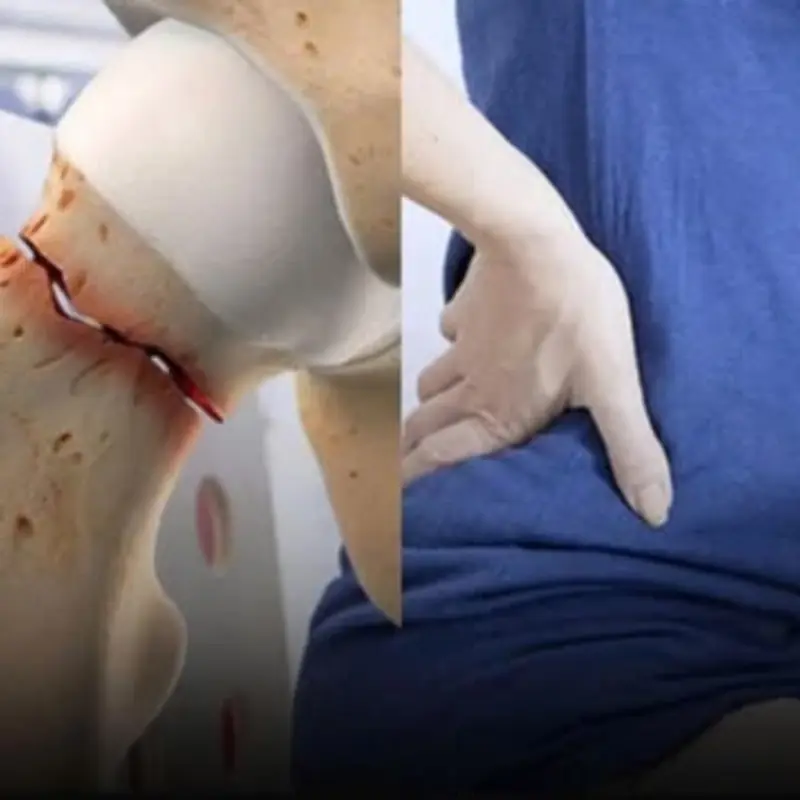
Estrogen helps regulate the process of bone remodeling, where old bone tissue is broken down and replaced with new tissue. After menopause, estrogen levels drop sharply, causing the balance between bone breakdown and formation to shift. As a result, bones may lose density more quickly, becoming weaker and more prone to fractures.
This process is natural, but the speed and severity of bone loss vary widely among individuals. Some women experience only gradual changes, while others may face a higher likelihood of developing osteoporosis within a few years after menopause.
Lifestyle choices and preventive care play a major role in determining which path a woman follows.
Group 1: Women Who Maintain a Nutrient-Rich Diet
Diet is one of the most powerful tools for protecting bone health. Women who consistently consume adequate calcium, vitamin D, protein, and other essential nutrients often maintain stronger bones over time.
Calcium is the primary mineral found in bones, while vitamin D helps the body absorb it effectively. Protein supports bone structure and muscle strength, reducing the risk of falls and fractures. Foods such as leafy greens, dairy products, nuts, seeds, and fish provide important nutrients that contribute to bone resilience.
Women who prioritize balanced nutrition throughout adulthood and continue these habits after menopause are generally better equipped to slow bone loss and maintain density.
Group 2: Women Who Stay Physically Active
Regular physical activity is another key factor in preserving bone strength. Weight-bearing exercises such as walking, dancing, hiking, and resistance training stimulate bone formation and help maintain density. These activities also improve balance and muscle strength, lowering the risk of falls.
Sedentary lifestyles, on the other hand, can accelerate bone loss and weaken muscles that support the skeleton. Women who remain physically active during and after menopause often experience better mobility and reduced fracture risk compared to those who are inactive.
Even moderate daily movement can make a meaningful difference over time. Consistency matters more than intensity when it comes to long-term bone health.
Group 3: Women Who Prioritize Preventive Healthcare
Regular health checkups and early screening can significantly influence osteoporosis outcomes. Bone density scans, often recommended for women over a certain age or with risk factors, allow healthcare providers to detect changes early and recommend appropriate interventions.
Women who monitor their bone health, manage chronic conditions, and follow medical advice regarding supplements or treatments are more likely to maintain stronger bones. Avoiding smoking and limiting excessive alcohol intake also supports bone preservation.
Preventive care provides an opportunity to address potential problems before they become serious, helping women stay active and independent as they age.
Building Stronger Bones for the Future
Although menopause naturally affects bone density, osteoporosis is not an inevitable outcome for every woman. Healthy eating, regular physical activity, and proactive medical care can make a significant difference in maintaining bone strength and overall quality of life.
The years after menopause can still be vibrant, active, and fulfilling. By understanding the factors that support bone health, women can take practical steps to protect their bodies and continue enjoying life with confidence and strength.