Can Eating Kimchi for 12 Weeks Help Train Your Immune System? What Researchers Are Exploring
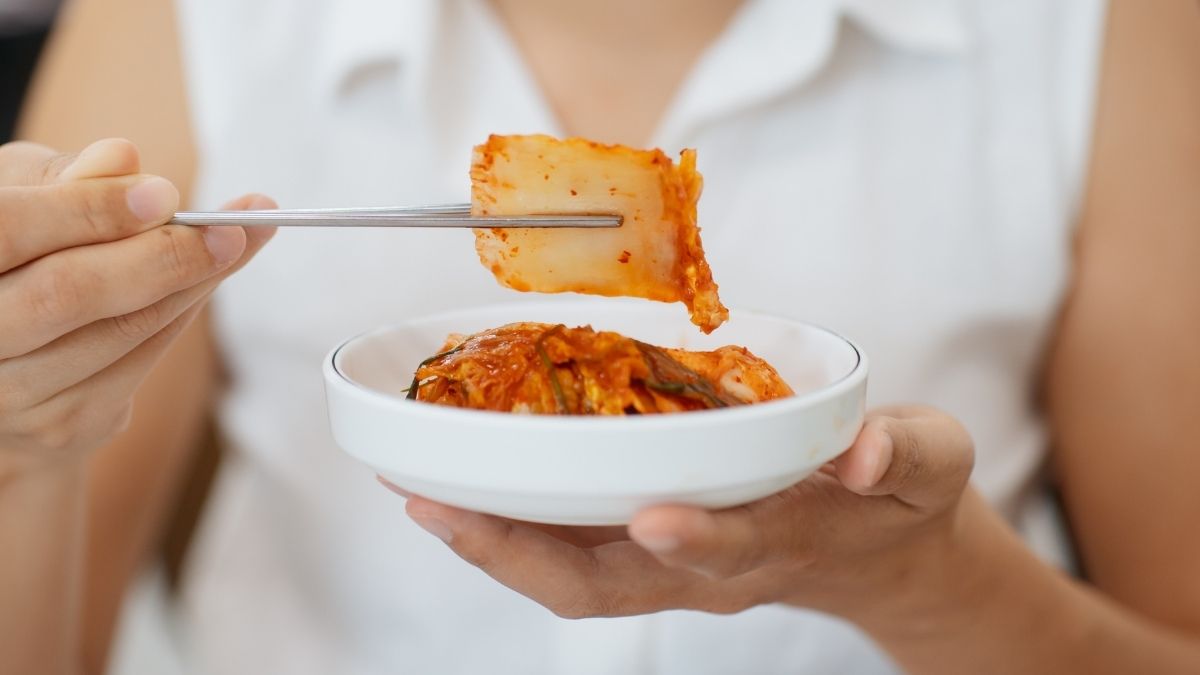
Kimchi, a traditional Korean fermented dish known for its bold flavor and vibrant red color, has long been celebrated as more than just a side dish. Recent discussions in nutrition and health communities have focused on a fascinating idea: that regularly eating kimchi for around 12 weeks may help support immune function in a balanced and potentially beneficial way.
While kimchi has been a staple in Korean households for centuries, modern research is now examining how this fermented food interacts with the human immune system. Scientists are particularly interested in how consistent consumption of fermented vegetables like kimchi may influence immune cell behavior, gut health, and the body’s response to viral threats.
The science behind fermented foods and immunity
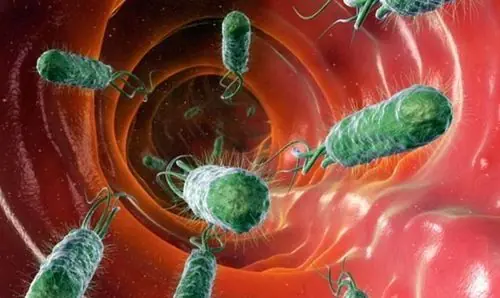
Kimchi is typically made from napa cabbage, garlic, ginger, chili pepper, salt, and other vegetables that undergo a natural fermentation process. During fermentation, beneficial bacteria such as Lactobacillus develop and multiply. These bacteria belong to a group known as probiotics—microorganisms that can help maintain a healthy balance in the gut.
The gut is increasingly recognized as a key player in immune function. A large portion of the immune system is closely linked to the digestive tract, where beneficial microbes help regulate inflammation, support immune cell communication, and assist the body in responding appropriately to potential threats.
Researchers studying fermented foods suggest that regular consumption may help strengthen communication between gut microbes and immune cells. This interaction could potentially support the body’s ability to respond to viruses while maintaining balance and avoiding excessive inflammatory reactions.
Why the 12-week timeline matters
Some nutrition studies observe dietary changes over extended periods rather than days or weeks. A 12-week timeframe allows researchers to monitor how consistent dietary habits may influence the body gradually. Instead of short-term spikes or temporary changes, longer observation periods help identify more stable shifts in gut microbiota and immune markers.
During such periods, participants in observational and clinical studies often maintain a steady intake of fermented foods like kimchi. Researchers then analyze blood samples, gut bacteria composition, and immune cell responses before and after the dietary period.
Preliminary findings from various nutrition studies suggest that regular intake of fermented foods may be associated with improved microbial diversity in the gut. Greater microbial diversity is often linked to stronger resilience against infections and more balanced immune responses.
Training immune cells without overreaction
One area of particular interest in immune research is how the body can respond effectively to viruses without triggering harmful overreactions. An overactive immune response can sometimes lead to excessive inflammation, which may be damaging to tissues.
Scientists exploring the connection between fermented foods and immunity are studying whether consistent probiotic intake helps regulate this balance. The concept is sometimes described as “training” immune cells—supporting their ability to recognize and respond to threats efficiently while maintaining control over unnecessary inflammatory responses.
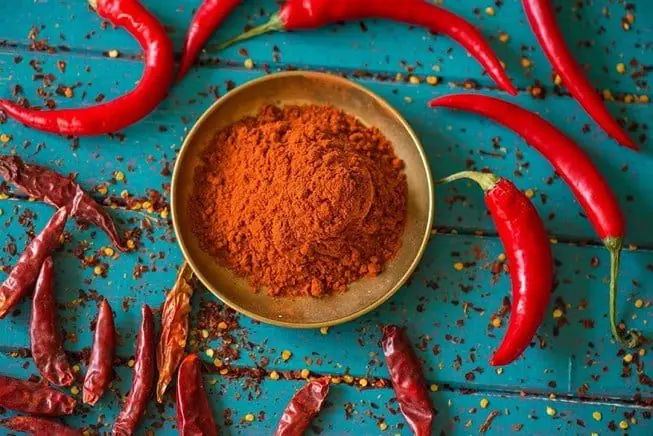
Fermented foods like kimchi contain bioactive compounds, vitamins, and antioxidants that may play a role in this process. Ingredients such as garlic, ginger, and chili peppers are rich in plant-based compounds that interact with the body’s natural defense systems.
However, it is important to note that research in this field is ongoing. While many findings are promising, scientists continue to investigate the exact mechanisms and long-term effects of regular fermented food consumption on immune health.
Cultural tradition meets modern curiosity
Kimchi’s reputation as a health-supporting food is not new. In Korean culture, it has traditionally been valued for its nutritional content and role in everyday meals. The recent surge in global interest reflects a broader trend toward functional foods—everyday ingredients that may offer additional health-related benefits beyond basic nutrition.
For younger generations and health-conscious communities worldwide, kimchi represents a blend of cultural heritage and modern scientific curiosity. Social media, wellness blogs, and nutrition discussions often highlight fermented foods as part of balanced diets aimed at supporting overall well-being.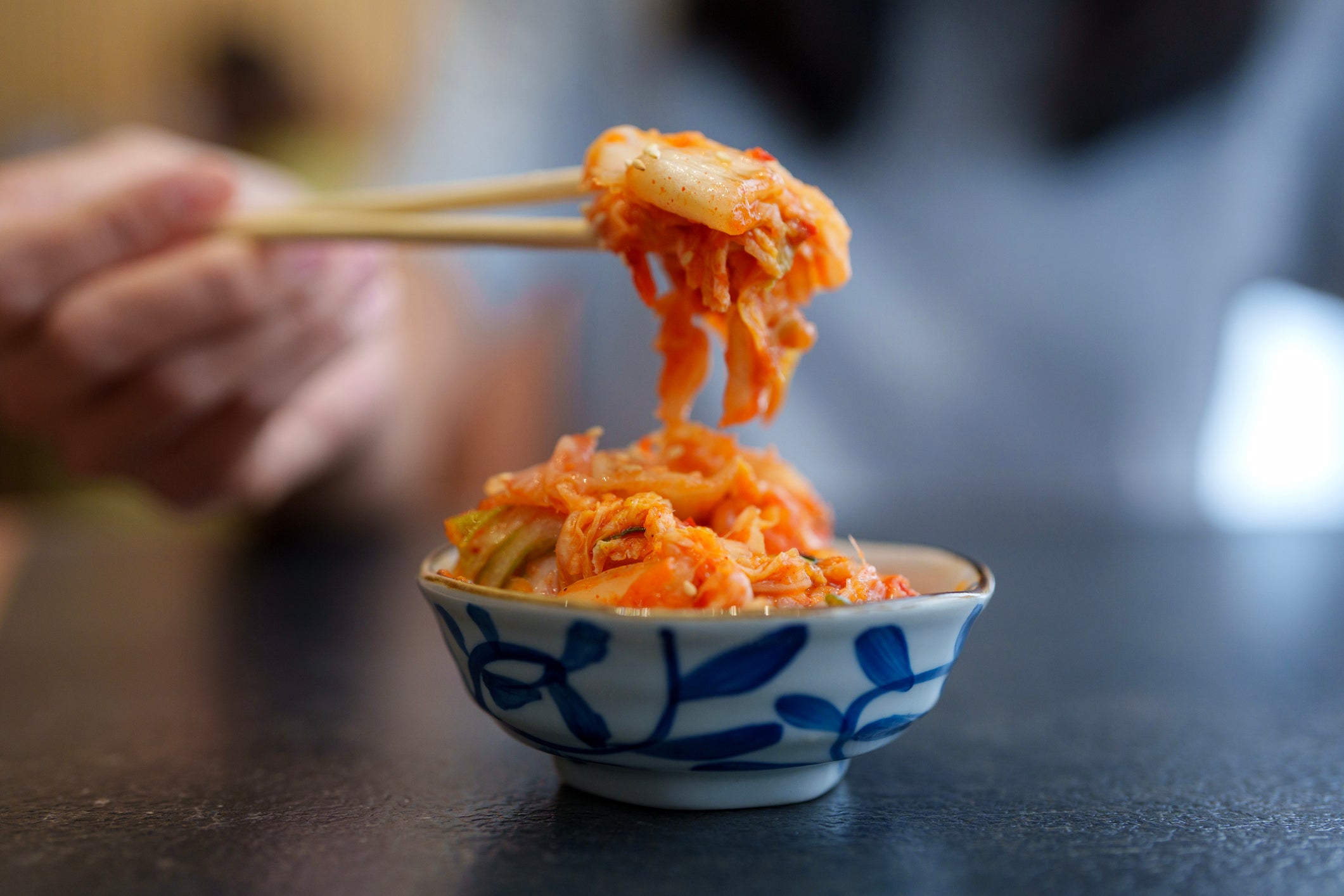
As research continues, scientists aim to better understand how dietary patterns, including regular fermented food consumption over periods like 12 weeks, interact with the immune system. While kimchi alone is not presented as a cure or guaranteed protective measure, its potential role in supporting gut and immune health remains an active area of exploration.
Looking ahead
The idea that a traditional dish like kimchi could influence immune cell behavior illustrates how everyday foods can become subjects of serious scientific interest. Ongoing studies will continue to examine how consistent dietary habits shape long-term health outcomes.
For now, kimchi stands at the intersection of tradition and research—a centuries-old food inspiring new conversations about how what we eat may influence how our bodies defend and maintain themselves in a changing world.