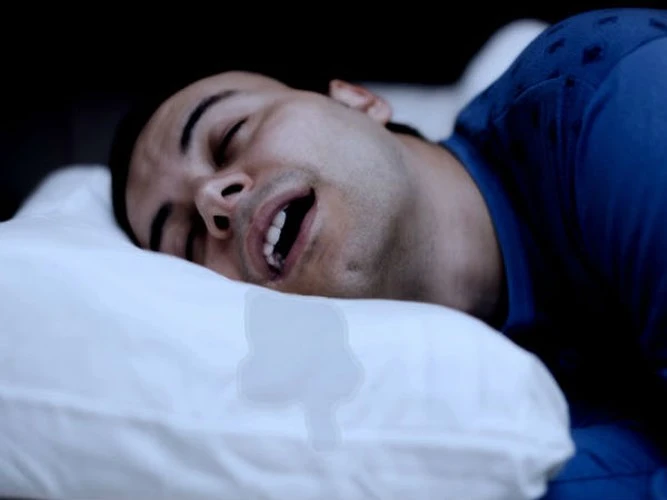
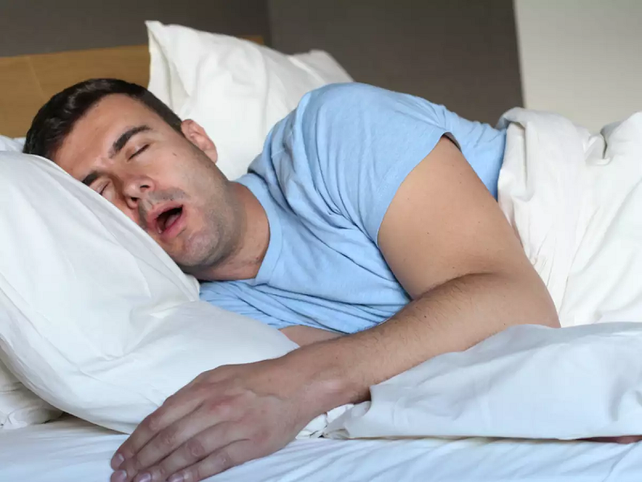
Waking up with a damp pillow from drooling during sleep is something many people experience from time to time. In most cases, it is completely harmless and may simply result from sleeping on your side, breathing through your mouth, or entering a deep stage of sleep. However, if excessive drooling becomes frequent, persistent, or is accompanied by other symptoms, it may be worth discussing with a healthcare professional.
Drooling during sleep occurs when saliva escapes from the mouth because it is not swallowed efficiently or because saliva production is increased. This can happen for many reasons, ranging from temporary nasal congestion to certain medical conditions.
It's important to remember that drooling alone cannot diagnose any disease. Instead, it should be viewed as one symptom that may provide clues when considered alongside other signs and symptoms.
Below are 8 health conditions that may be associated with drooling during sleep.
Why Do We Drool While Sleeping?
Saliva plays several important roles in maintaining oral health. It helps:
-
Keep the mouth moist
-
Begin the digestion of food
-
Wash away bacteria
-
Protect tooth enamel
-
Aid swallowing
During sleep, swallowing becomes less frequent. If the mouth remains open or saliva production increases, saliva may leak out of the mouth.
Occasional drooling is generally considered normal.
1. Nasal Congestion and Allergies
One of the most common reasons people drool while sleeping is difficulty breathing through the nose.
When the nasal passages become blocked due to:
-
Seasonal allergies
-
The common cold
-
Sinus infections
-
A deviated nasal septum
people often breathe through their mouths during sleep. An open mouth makes it easier for saliva to escape.
Other Symptoms
-
Stuffy nose
-
Sneezing
-
Runny nose
-
Facial pressure
-
Snoring
Treating the underlying nasal problem often reduces nighttime drooling.
2. Obstructive Sleep Apnea
Obstructive sleep apnea (OSA) is a sleep disorder in which the airway repeatedly becomes blocked during sleep.
People with OSA may:
-
Breathe through their mouths
-
Snore loudly
-
Experience interrupted sleep
These factors can contribute to nighttime drooling.
Other Symptoms
-
Loud snoring
-
Gasping during sleep
-
Morning headaches
-
Daytime sleepiness
-
Difficulty concentrating
Untreated sleep apnea may increase the risk of cardiovascular disease, so medical evaluation is important if these symptoms are present.
3. Gastroesophageal Reflux Disease (GERD)
GERD occurs when stomach contents flow back into the esophagus.
Some people with reflux experience increased saliva production, sometimes called water brash, as the body responds to acid entering the esophagus.
This increased saliva may contribute to drooling during sleep.
Other Symptoms
-
Heartburn
-
Sour taste in the mouth
-
Chronic cough
-
Hoarseness
-
Frequent throat clearing
4. Neurological Disorders
Certain neurological conditions may interfere with swallowing rather than increase saliva production.
Examples include:
-
Parkinson's disease
-
Stroke
-
Multiple sclerosis
-
Amyotrophic lateral sclerosis (ALS)
In these situations, saliva builds up because it is not swallowed effectively.
Other Symptoms
Depending on the condition, symptoms may include:
-
Tremors
-
Muscle weakness
-
Difficulty walking
-
Slurred speech
-
Difficulty swallowing
These disorders are relatively uncommon compared with more routine causes of drooling.
5. Certain Medications
Some medications may increase saliva production or affect swallowing.
Examples include certain:
-
Antipsychotic medications
-
Medications used to treat Alzheimer's disease
-
Some antibiotics
-
Certain anticonvulsants
If drooling begins shortly after starting a new medication, discuss it with your healthcare provider. Do not stop prescription medications without medical advice.
6. Enlarged Tonsils or Adenoids
Enlarged tonsils or adenoids can partially block the airway, particularly in children.
This may encourage mouth breathing during sleep, increasing the likelihood of drooling.
Other Symptoms
-
Snoring
-
Mouth breathing
-
Restless sleep
-
Frequent throat infections
Adults may also experience enlarged tonsils, although this is less common.
7. Difficulty Swallowing (Dysphagia)
Dysphagia refers to difficulty swallowing.
Rather than producing too much saliva, people with dysphagia may simply have trouble clearing saliva from the mouth.
Possible causes include:
-
Neurological disorders
-
Esophageal disorders
-
Head and neck conditions
-
Age-related swallowing changes
Other Symptoms
-
Choking while eating
-
Food sticking in the throat
-
Pain when swallowing
-
Frequent coughing during meals
Persistent swallowing difficulty should always be evaluated by a healthcare professional.
8. Oral or Dental Problems
Conditions affecting the mouth may occasionally contribute to increased saliva production.
Examples include:
-
Mouth ulcers
-
Gum disease
-
Ill-fitting dentures
-
Dental infections
Pain or irritation inside the mouth can stimulate the salivary glands.
Other Symptoms
-
Gum bleeding
-
Tooth pain
-
Mouth sores
-
Bad breath
Maintaining good oral hygiene and regular dental checkups can help prevent many of these issues.
Is Drooling During Sleep Usually Serious?
Fortunately, no.
For many people, nighttime drooling is simply related to:
-
Sleeping position
-
Deep sleep
-
Temporary nasal congestion
-
Mild allergies
It often resolves once the underlying cause improves.
Factors That Increase the Likelihood of Drooling
Several everyday factors may make drooling more likely, including:
-
Sleeping on your side or stomach
-
Sleeping with your mouth open
-
Seasonal allergies
-
Upper respiratory infections
-
Alcohol consumption before bed
-
Certain medications
-
Pregnancy-related hormonal changes
-
Deep sleep
These factors do not necessarily indicate a medical condition.
How Doctors Evaluate Persistent Drooling
If drooling becomes excessive or is accompanied by other symptoms, your healthcare provider may recommend:
Medical History
Questions may include:
-
When did the drooling begin?
-
Does it occur every night?
-
Do you snore?
-
Are you taking any new medications?
-
Do you have difficulty swallowing?
Physical Examination
The examination may include:
-
Mouth
-
Nose
-
Throat
-
Neck
-
Neurological assessment
Sleep Study
If sleep apnea is suspected, an overnight sleep study (polysomnography) may be recommended.
Swallowing Assessment
Speech-language pathologists or other specialists may evaluate swallowing function if dysphagia is suspected.
Tips to Reduce Nighttime Drooling
Simple lifestyle measures may help reduce drooling in many cases.
Sleep on Your Back
Sleeping on your back may reduce saliva leakage compared with sleeping on your side.
Treat Nasal Congestion
Managing allergies or sinus problems may encourage nasal breathing.
Maintain Good Oral Hygiene
Healthy gums and teeth reduce oral irritation that may contribute to excess saliva.
Stay Hydrated
Adequate hydration helps maintain normal saliva consistency.
Discuss Medication Side Effects
If you suspect a medication is contributing to drooling, speak with your healthcare provider about possible alternatives.
Maintain a Healthy Weight
Weight management may help reduce the risk of obstructive sleep apnea in some individuals.
Common Myths About Drooling During Sleep
Myth 1: Drooling Means You Slept Very Well
Not necessarily.
Deep sleep may contribute to drooling, but drooling itself is not a reliable indicator of sleep quality.
Myth 2: Drooling Always Means You Have a Neurological Disease
False.
Most cases are related to common causes such as mouth breathing or nasal congestion.
Myth 3: Adults Should Never Drool While Sleeping
False.
Occasional nighttime drooling is common among healthy adults.
Myth 4: More Saliva Means Better Oral Health
False.
Both excessive and insufficient saliva production may be associated with health problems.
When Should You See a Healthcare Professional?
Arrange a medical evaluation if drooling:
-
Begins suddenly without an obvious cause
-
Occurs frequently and disrupts your sleep
-
Is accompanied by loud snoring or pauses in breathing
-
Occurs with difficulty swallowing
-
Is associated with unexplained weight loss
-
Occurs alongside muscle weakness or changes in speech
Seek immediate medical attention if drooling develops suddenly together with symptoms such as facial drooping, arm weakness, difficulty speaking, or confusion, as these could be signs of a medical emergency such as a stroke.
Final Thoughts
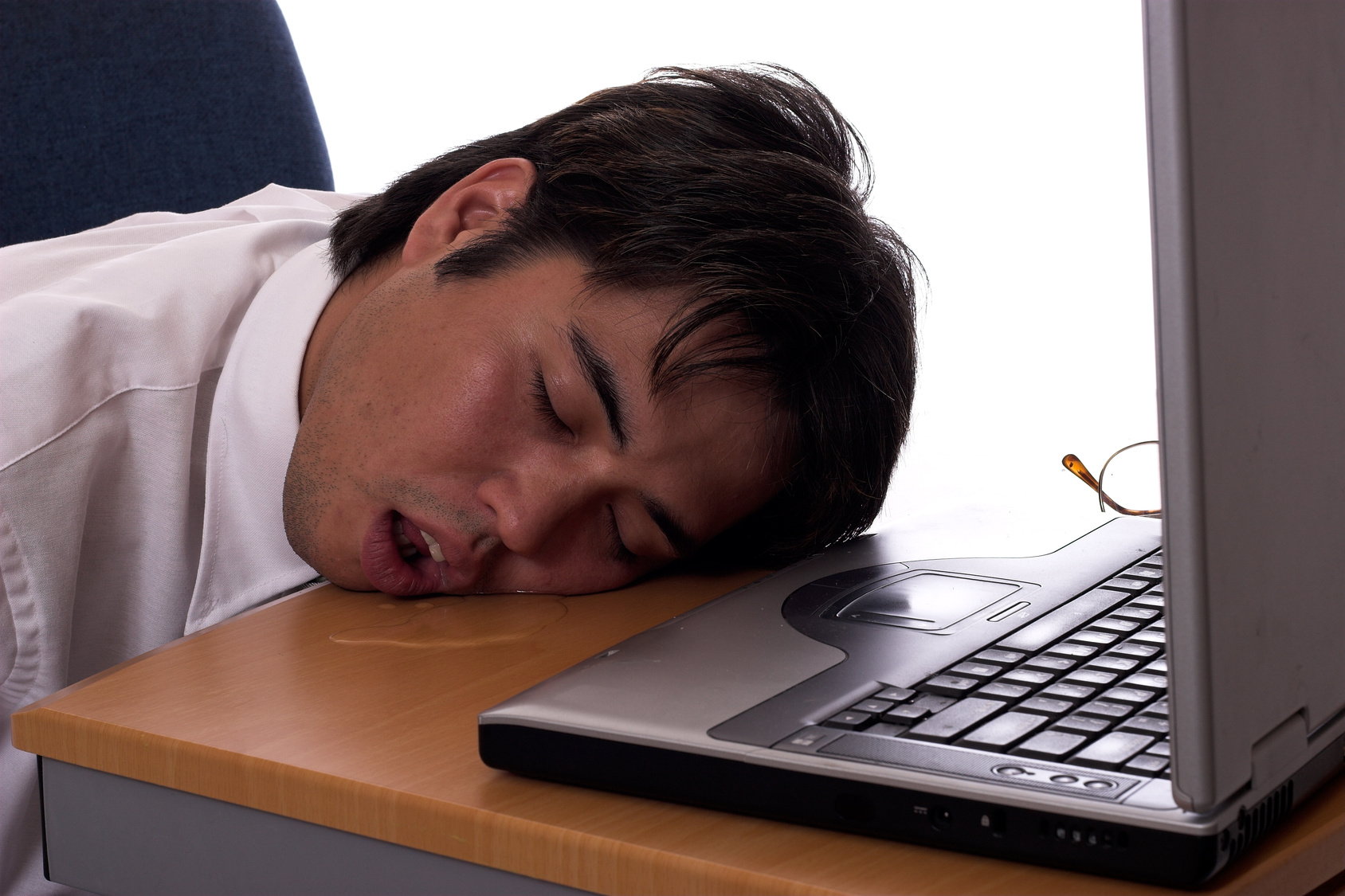
Drooling during sleep is common and, in most cases, is not a sign of serious illness. Simple factors such as sleeping position, temporary nasal congestion, or breathing through the mouth are often responsible.
However, persistent or excessive drooling - especially when accompanied by symptoms like loud snoring, difficulty swallowing, recurrent choking, or neurological changes may be associated with conditions such as obstructive sleep apnea, gastroesophageal reflux disease, neurological disorders, medication side effects, or swallowing difficulties. Recognizing these possibilities can help you decide when it is appropriate to seek medical advice.
If nighttime drooling becomes a recurring concern or is affecting your quality of life, a healthcare professional can help determine the underlying cause and recommend the most appropriate treatment.