8 Warning Signs Your Stomach Condition May Be Getting Serious (Don’t Ignore These Symptoms)
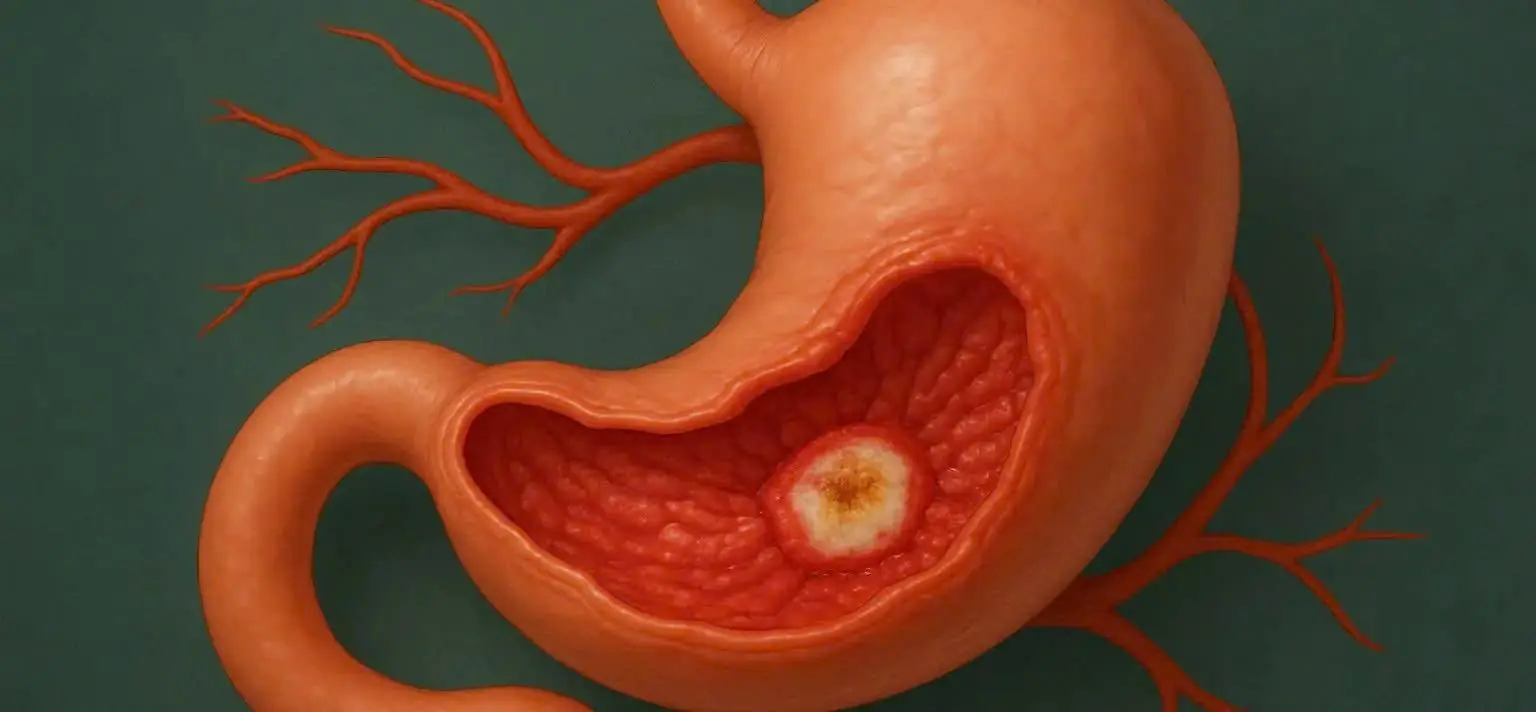
Stomach problems are very common and often caused by mild issues such as indigestion, stress, or dietary habits. However, in some cases, persistent or worsening symptoms may indicate a more serious underlying condition affecting the stomach or digestive system.
Recognizing the warning signs early is important, as timely medical evaluation can help prevent complications and improve treatment outcomes.
Below are 8 symptoms that may suggest your stomach condition needs closer attention.
1. Persistent Abdominal Pain
Occasional stomach discomfort is normal, but ongoing or worsening abdominal pain should not be ignored. Pain that lasts for weeks or becomes more intense over time may indicate inflammation, ulcers, or other digestive issues.
2. Unexplained Weight Loss
Losing weight without changes in diet or physical activity can be a red flag. It may suggest that the body is not absorbing nutrients properly or that an underlying condition is affecting digestion.
3. Frequent Nausea or Vomiting
Regular nausea or vomiting, especially when unrelated to food poisoning or temporary illness, can signal a more serious stomach or intestinal problem that requires medical evaluation.
4. Loss of Appetite
A noticeable and persistent decrease in appetite may be linked to stomach disorders. If you feel full quickly or avoid eating due to discomfort, it should be checked.
5. Bloating and Early Fullness
Feeling unusually full after eating small amounts of food or experiencing constant bloating may indicate digestive dysfunction or inflammation in the stomach.
6. Blood in Stool or Dark Stools
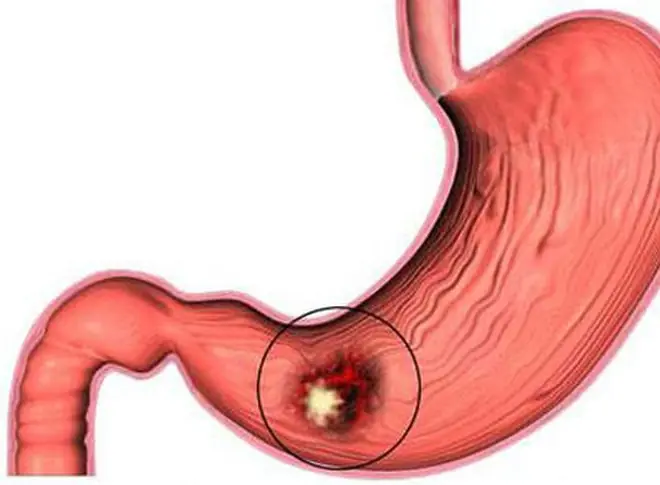
This is a serious warning sign. Black, tar-like stools or visible blood may indicate bleeding in the digestive tract and require immediate medical attention.
7. Chronic Heartburn or Acid Reflux
Occasional heartburn is common, but frequent acid reflux or burning sensations in the chest and throat could point to gastroesophageal issues that need treatment.
8. Fatigue and Weakness
Ongoing fatigue, especially when combined with other digestive symptoms, may be related to nutrient deficiencies or internal bleeding affecting overall health.
When Should You See a Doctor?

If you experience one or more of these symptoms persistently, especially over several weeks, it is important to consult a healthcare professional. Early diagnosis can make a significant difference in treatment and recovery.
Final Thoughts
Most stomach issues are not severe, but your body often gives warning signs when something is wrong. Paying attention to these symptoms and seeking medical advice early can help protect your long-term health.
Listening to your body is one of the simplest and most effective ways to stay healthy.
Understanding What May Be Happening Inside Your Stomach
The stomach plays a central role in the digestive system. It receives food from the esophagus, mixes it with digestive juices, and gradually breaks it down before passing it into the small intestine. This process allows the body to absorb nutrients and obtain the energy it needs to function properly.
Because the stomach is involved in almost every meal, even relatively minor digestive disturbances can affect daily comfort. However, when symptoms become persistent, severe, or progressively worse, they may indicate that something more significant is happening.
Several conditions can affect the stomach and surrounding digestive organs. These include gastritis, peptic ulcers, gastroesophageal reflux disease, infections, and, less commonly, stomach cancer. Although many of these conditions are treatable, recognizing their symptoms early is important.
Understanding the possible causes of digestive symptoms can help people make informed decisions about when to seek medical care.
1. Gastritis: When the Stomach Lining Becomes Inflamed
Gastritis refers to inflammation of the stomach lining. It can develop suddenly or gradually over time, depending on its underlying cause.
The stomach naturally produces acid to help digest food. At the same time, a protective mucus barrier prevents this acid from damaging the stomach wall. When this protective system becomes weakened or disrupted, inflammation may occur.
Common causes of gastritis include:
-
Infection with Helicobacter pylori (H. pylori), a bacterium that can survive in the stomach.
-
Frequent use of nonsteroidal anti-inflammatory drugs (NSAIDs), such as ibuprofen or aspirin.
-
Excessive alcohol consumption.
-
Certain autoimmune conditions.
-
Severe physical stress associated with critical illness, major surgery, or serious injury.
Some people with gastritis experience no noticeable symptoms. Others may develop upper abdominal discomfort, nausea, bloating, indigestion, or a feeling of fullness after eating.
In certain cases, gastritis can lead to erosions or bleeding in the stomach lining. Symptoms such as vomiting blood, passing black stools, dizziness, or fainting require urgent medical assessment.
Chronic H. pylori infection and certain forms of long-standing stomach inflammation can increase the risk of developing more serious stomach conditions. This is why identifying the underlying cause is more important than simply taking medication to relieve discomfort.
Doctors may recommend H. pylori testing, blood tests, or an upper gastrointestinal endoscopy, depending on the patient's symptoms and risk factors.
2. Peptic Ulcers: Small Wounds That Can Cause Significant Problems
A peptic ulcer is an open sore that develops in the lining of the stomach or the first part of the small intestine, known as the duodenum.
These ulcers occur when the protective lining becomes damaged, allowing digestive acid to irritate the underlying tissue.
Two major causes account for most peptic ulcers:
H. pylori infection: This bacterium can damage the stomach's protective barrier and cause long-term inflammation. If left untreated, the infection may contribute to ulcer formation.
Long-term NSAID use: Certain pain-relieving medications can interfere with substances that help protect the stomach lining. Regular use, particularly at high doses, may increase the risk of ulcers and gastrointestinal bleeding.