They contain carbohydrates, so portion size still matters, but they also provide fiber, which may help slow digestion.
How they're prepared also makes a difference.
For example:
-
Boiled sweet potatoes generally have a lower glycemic impact than some other cooking methods.
-
Large portions or sweet potato dishes loaded with sugar, marshmallows, or syrup can significantly increase sugar intake.
People with diabetes should focus on the overall balance of the meal, not just one ingredient.
4. The Cooking Method Changes Their Nutrition
The way you cook sweet potatoes can influence both their texture and nutritional characteristics.
Common methods include:
Steaming
Helps retain many nutrients while keeping the texture soft.
Baking
Enhances natural sweetness and creates a creamy interior.
Roasting
Produces a caramelized flavor with a crisp exterior.
Boiling
May reduce some water-soluble vitamins but can influence how the starch is digested.
Deep-frying, on the other hand, adds extra fat and calories and is generally less nutritious than baking or steaming.
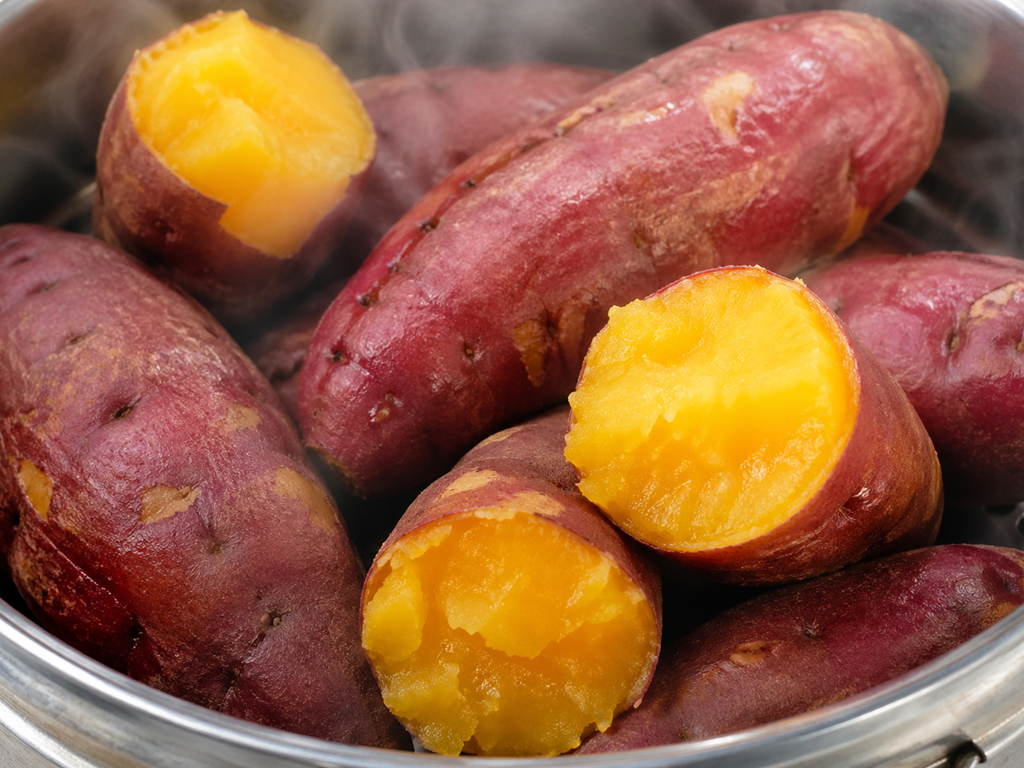
5. Sweet Potatoes Are Rich in Antioxidants
Different-colored sweet potatoes contain different beneficial plant compounds.
Orange Sweet Potatoes
Rich in beta-carotene.