
What Causes Swollen Feet and Ankles? Here Are the Most Common Reasons
Why Are Your Feet and Ankles Swollen? These Possible Reasons Could Explain It 👇
Health 16/07/2026 00:20
Diabetes is often called a "silent disease" because many people develop it gradually without realizing it. Social media posts frequently claim there are "hidden signs that doctors don't know," but the reality is different. Healthcare professionals are well aware of the early symptoms of diabetes. The challenge is that many of these warning signs are subtle and easy to overlook. Recognizing them early can lead to timely diagnosis and help prevent serious complications.
Diabetes is a chronic condition in which the body cannot properly regulate blood sugar (glucose).
There are several types, including:
When blood sugar remains elevated over time, it can damage blood vessels, nerves, kidneys, eyes, and the heart.
One of the earliest warning signs is feeling thirsty much more often than usual.
High blood sugar causes the kidneys to work harder to remove excess glucose through urine, leading to dehydration.
You may notice:
As blood sugar rises, your kidneys produce more urine to eliminate excess glucose.
This may cause you to:
Frequent nighttime urination should not always be dismissed as a normal part of aging.
Even though glucose is present in the bloodstream, the body's cells cannot use it efficiently without adequate insulin.
As a result, people often experience:
Persistent fatigue has many possible causes, but diabetes is one of them.
High blood sugar can temporarily affect the lens of the eye.
Symptoms may include:
Fortunately, vision often improves once blood sugar is properly controlled.
Elevated blood sugar may impair circulation and weaken the immune response.
This can cause:
People with diabetes should pay close attention to even small injuries, especially on the feet.
Persistent high blood sugar can damage nerves, a condition known as diabetic neuropathy.
Early symptoms include:
These symptoms usually develop gradually.
Even after eating, you may continue to feel hungry because your cells are not receiving enough glucose for energy.
This symptom often occurs together with:
Unexpected weight loss can occur, particularly in Type 1 diabetes, but it may also appear in untreated Type 2 diabetes.
When cells cannot use glucose effectively, the body begins breaking down fat and muscle for energy.
High blood sugar creates an environment where infections are more likely to develop.
Common examples include:
Repeated infections may be one of the first clues that blood sugar levels are elevated.
Some people with insulin resistance develop acanthosis nigricans, characterized by dark, velvety skin.
These patches often appear on:
Although not everyone with diabetes develops this condition, it can be an important warning sign.
The image suggests that symptoms such as neck pain or sinus-related issues are early warning signs "most doctors don't even know."
Current medical evidence does not support these claims.
While people with diabetes may have a higher risk of certain infections, neck pain by itself is not considered a typical early symptom of diabetes, and sinus discomfort alone is not used to diagnose diabetes.
Always rely on evidence-based information rather than sensational social media posts.
You may have an increased risk if you:
A healthcare provider may recommend:
Early diagnosis allows treatment before complications develop.
For many people, the answer is yes.
Healthy habits can significantly reduce the risk:
Schedule an appointment if you experience:
These symptoms do not necessarily mean you have diabetes, but they should be evaluated promptly.
Diabetes often develops gradually, and many people live with elevated blood sugar for years before receiving a diagnosis. Paying attention to common symptoms—such as increased thirst, frequent urination, fatigue, blurred vision, and slow-healing wounds—can lead to earlier testing and treatment.
Despite viral claims, there are no secret diabetes symptoms that "most doctors don't even know." Modern medical guidelines clearly recognize the early signs of diabetes, and diagnosis is based on validated blood tests rather than a single symptom.
Disclaimer: This article is for educational purposes only and should not replace professional medical advice, diagnosis, or treatment. If you notice persistent symptoms or have concerns about your blood sugar, consult a qualified healthcare provider for an accurate evaluation.
Why Are Your Feet and Ankles Swollen? These Possible Reasons Could Explain It 👇
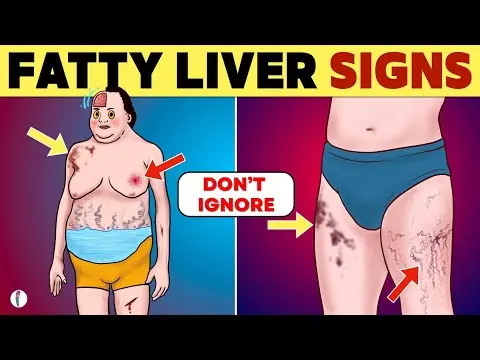
Your Body May Be Warning You About Fatty Liver Disease—Don't Ignore These 6 Signs 👇

Always Waking Up Between 3 and 4 AM? Experts Say It Could Be Worth Paying Attention To 😮👇

The Truth About Intimate Odor: 4 Common Causes Every Woman Should Know 💗👇

Drinking Coconut Water Could Change More Than Your Hydration—Doctors Explain 🥥👇

⚠️ 4 Early Warning Signs That Could Show Up Minutes Before a Stroke — Don’t Ignore The
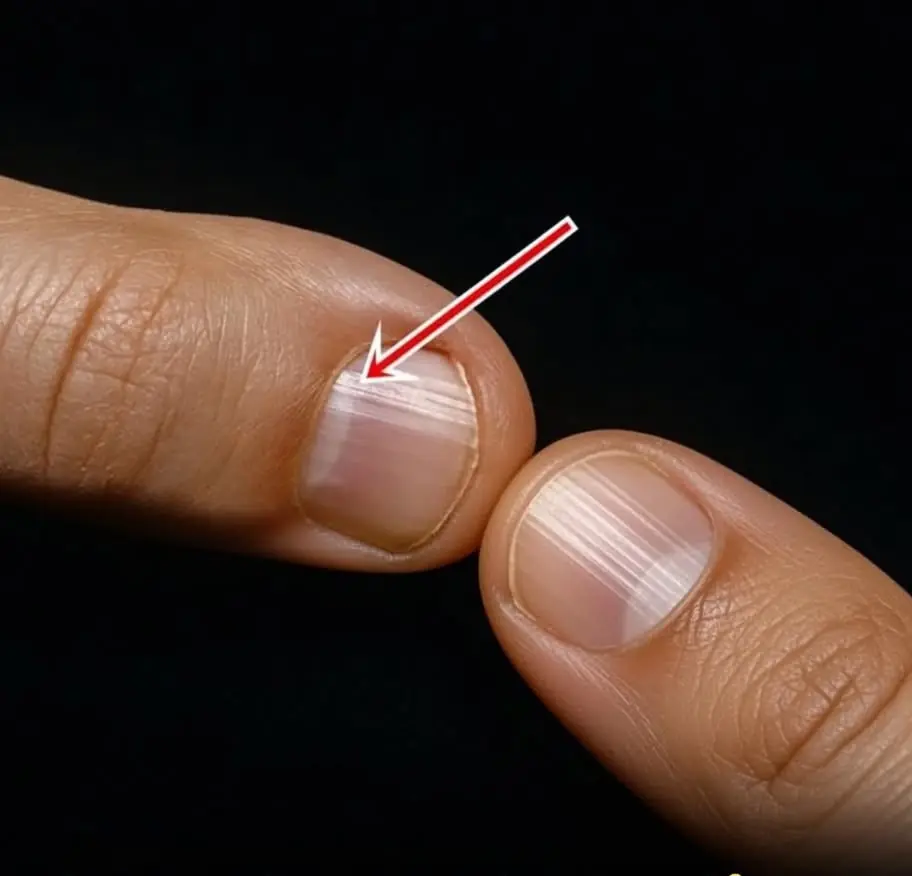
After 40, Your Nails Can Reveal Hidden Changes in Your Body—Don’t Ignore Thisa

Gout is a disease caused by the accumulation of uric acid in the body, causing severe joint pa.in. To control gout, diet plays a very important role.
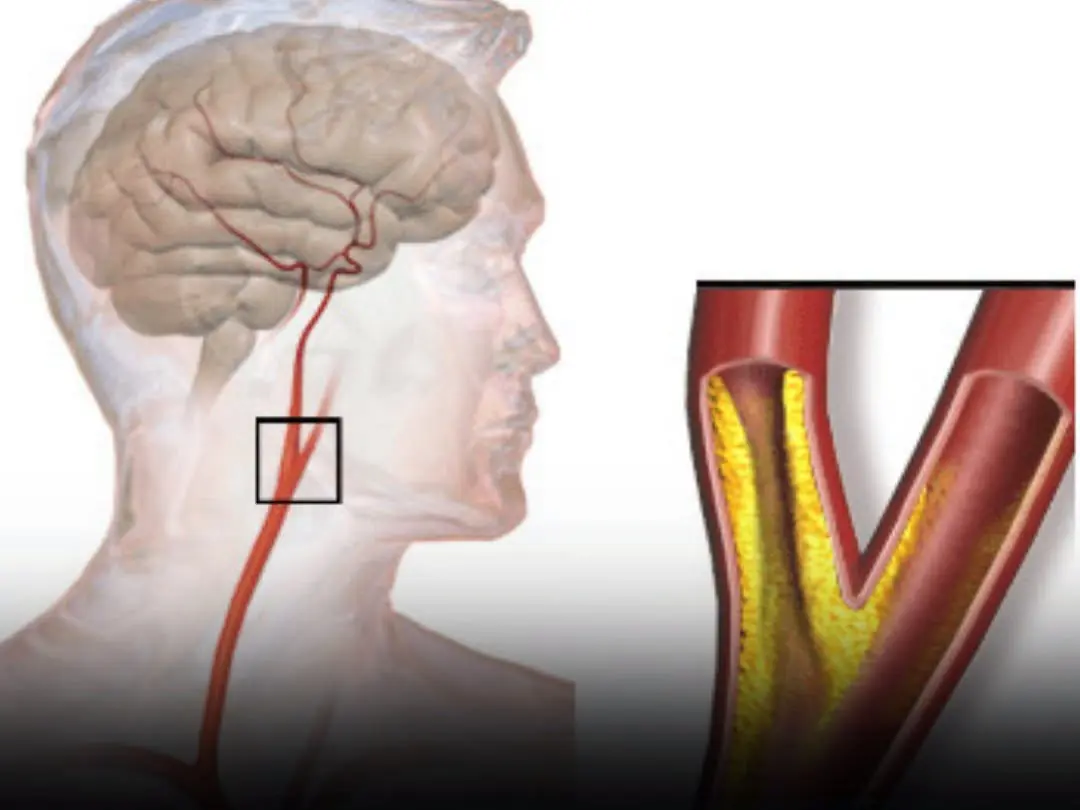
10 Warning Signs Your Arteries Might Be Clogged (Don’t Ignore These)
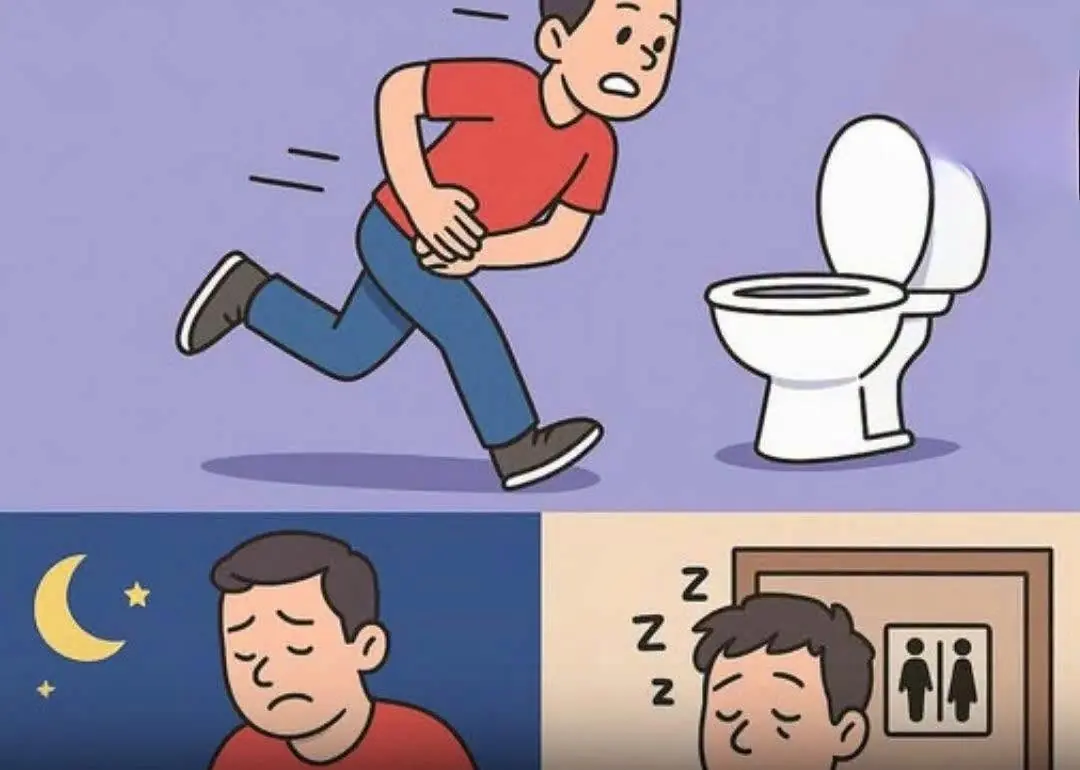
Nighttime Bathroom Visits: What Frequent Urination Could Reveal About Your Healt

Your Body May Show These 7 Signs When Fa:tty Liver Disease Is Developing

Discover what truly sets farm-raised and store-bought beef apart today.

A rare newborn tooth left parents stunned but doctors offered reassurance.

Don't Ignore These Vein Changes If They Come With...
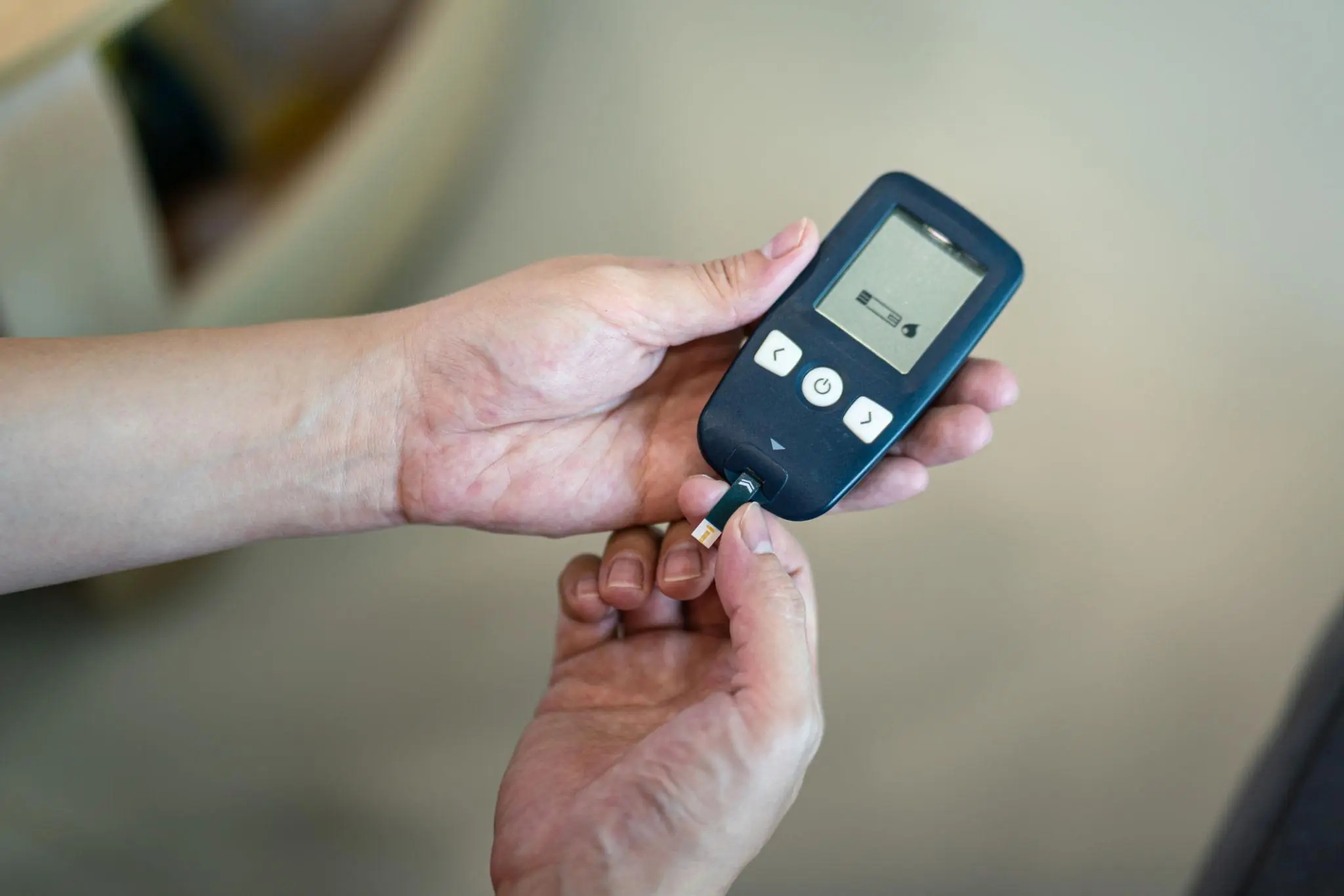
Doctors Reveal the Warning Signs of Low Blood Sugar

What Happens to Your Body When You Eat Peanuts

Moringa Seeds May Offer More Health Benefits Than Most People Realize

Frequent nighttime leg cramps may signal hidden health problems early.

Safe whitening tips that help brighten your smile without harming enamel.
Why Are Your Feet and Ankles Swollen? These Possible Reasons Could Explain It 👇
Your Body May Be Warning You About Fatty Liver Disease—Don't Ignore These 6 Signs 👇
Always Waking Up Between 3 and 4 AM? Experts Say It Could Be Worth Paying Attention To 😮👇
The Truth About Intimate Odor: 4 Common Causes Every Woman Should Know 💗👇
Drinking Coconut Water Could Change More Than Your Hydration—Doctors Explain 🥥👇
⚠️ 4 Early Warning Signs That Could Show Up Minutes Before a Stroke — Don’t Ignore The
After 40, Your Nails Can Reveal Hidden Changes in Your Body—Don’t Ignore Thisa
Gout is a disease caused by the accumulation of uric acid in the body, causing severe joint pa.in. To control gout, diet plays a very important role.
10 Warning Signs Your Arteries Might Be Clogged (Don’t Ignore These)

Your nails can reveal hidden health problems — don’t ignore these signs
Nighttime Bathroom Visits: What Frequent Urination Could Reveal About Your Healt
Your Body May Show These 7 Signs When Fa:tty Liver Disease Is Developing
Discover what truly sets farm-raised and store-bought beef apart today.
A rare newborn tooth left parents stunned but doctors offered reassurance.
Don't Ignore These Vein Changes If They Come With...
Doctors Reveal the Warning Signs of Low Blood Sugar
What Happens to Your Body When You Eat Peanuts
Moringa Seeds May Offer More Health Benefits Than Most People Realize