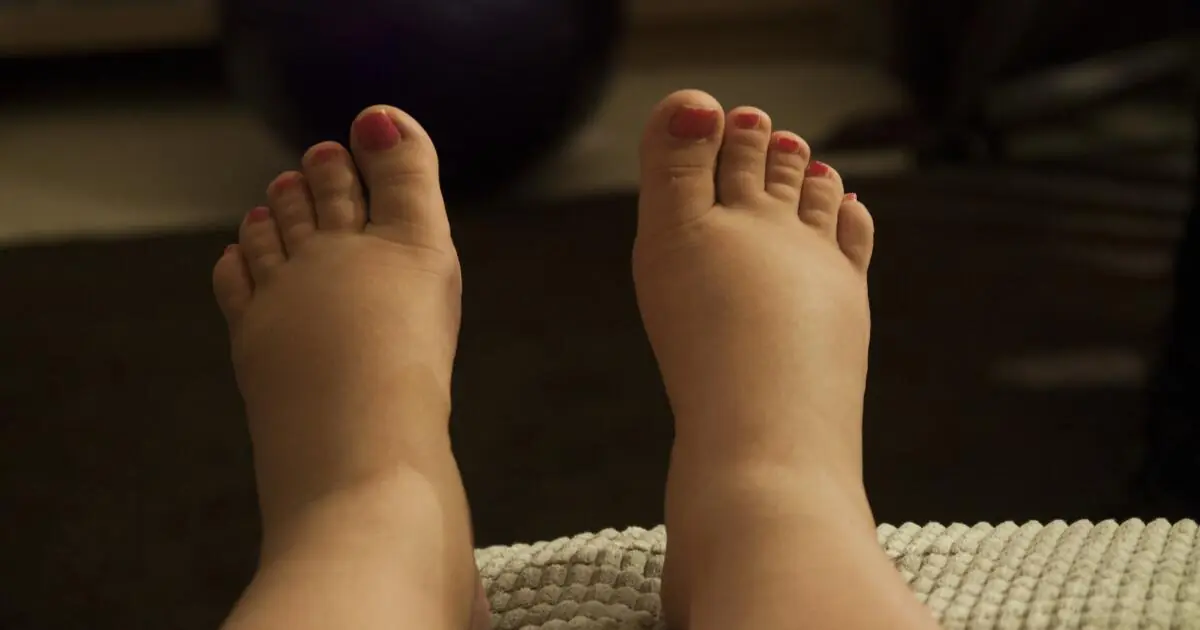
What Causes Swollen Feet and Ankles? Here Are the Most Common Reasons
Why Are Your Feet and Ankles Swollen? These Possible Reasons Could Explain It 👇
Health 16/07/2026 00:20
Have you noticed thin vertical lines running from the base of your nails to the tip? Social media often claims they are a sure sign of cancer or another serious disease—but the truth is much more complex. While nail changes can sometimes reflect underlying health conditions, most vertical nail ridges are harmless and are simply part of the natural aging process. Knowing the difference between normal changes and warning signs can help you decide when to seek medical advice.
The short answer is usually not.
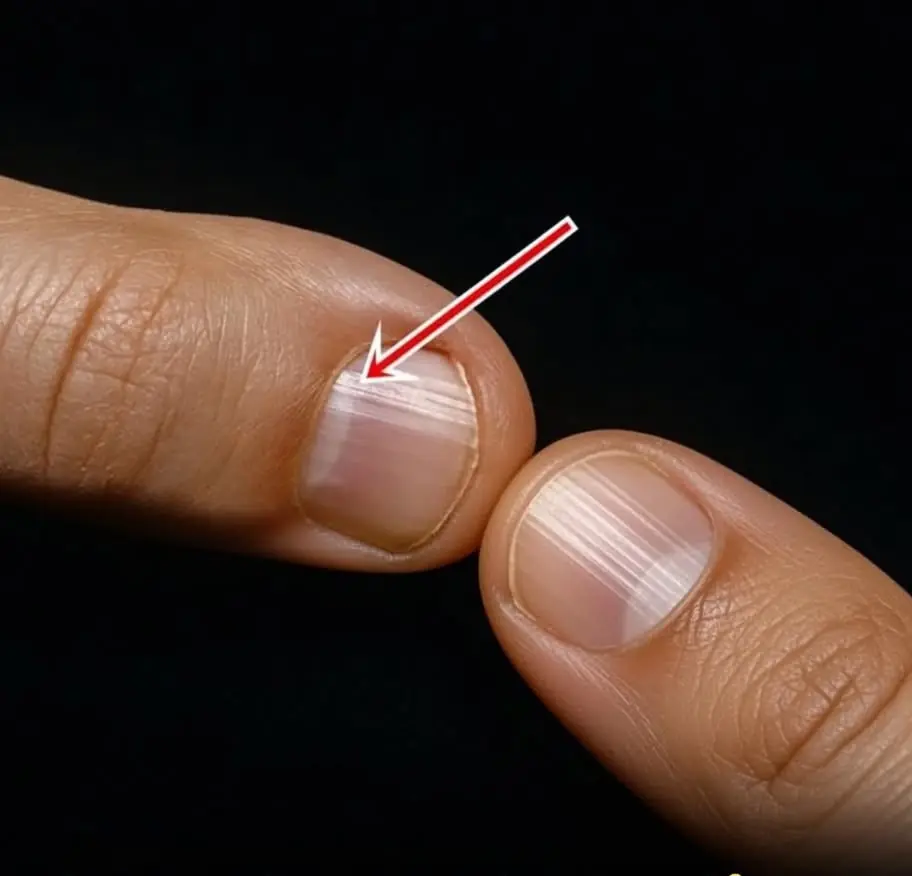
The image suggests that having lines on your nails automatically means you have cancer. This claim is misleading. Most vertical ridges are completely benign and do not indicate cancer.
However, certain unusual nail changes—particularly a new dark vertical stripe, especially if it widens, changes shape, or extends onto the surrounding skin—can occasionally be associated with subungual melanoma, a rare form of skin cancer beneath the nail. This is very different from the common vertical ridges many people develop with age.
Vertical ridges are raised lines that run from the cuticle to the tip of the nail.
They may appear:
In many healthy adults, these ridges are considered a normal finding.
The most common cause is simply getting older.
As we age:
Much like wrinkles develop in the skin, vertical ridges often become more noticeable over time.
Frequent exposure to:
can dry out the nails, making ridges appear more pronounced.
Keeping nails moisturized may improve their appearance.
Although uncommon in otherwise healthy adults, nutritional deficiencies may contribute to changes in nail texture.
Potential deficiencies include:
These deficiencies usually cause additional symptoms, not nail changes alone.
Not drinking enough fluids may temporarily affect nail appearance.
Healthy hydration supports normal nail growth, although dehydration alone is rarely the sole cause of persistent ridges.
Several skin disorders can affect the nails, including:
These conditions may cause:
Even a minor injury months earlier may leave a ridge as the nail grows out.
Examples include:
Since fingernails grow slowly, changes may remain visible for several months.
Occasionally, systemic illnesses may affect nail growth.
Examples include:
Usually, nail changes occur alongside other symptoms rather than by themselves.
Most vertical ridges are harmless, but certain nail changes deserve prompt medical evaluation.
See a healthcare provider if you notice:
These features do not necessarily mean cancer, but they should always be examined by a medical professional.
Yes—but nails provide clues, not diagnoses.
Doctors consider nail changes together with:
A single nail feature is rarely enough to identify a specific disease.
Healthy nail habits include:
Schedule a medical evaluation if:
A dermatologist can determine whether further testing or a biopsy is necessary.
Despite what many viral posts suggest, vertical lines on your nails do not automatically mean you have cancer. In fact, they are most often a normal part of aging or are related to minor, harmless changes in nail growth.
That said, new dark streaks, rapidly changing nail pigmentation, or other unusual nail abnormalities should never be ignored, as they may occasionally indicate a more serious condition requiring medical evaluation.
The best approach is to pay attention to changes, avoid self-diagnosing based on social media, and consult a qualified healthcare professional if something about your nails seems unusual or continues to change.
Disclaimer: This article is for educational purposes only and is not a substitute for professional medical advice, diagnosis, or treatment. If you have concerns about changes in your nails or overall health, consult your healthcare provider for an accurate evaluation.
Why Are Your Feet and Ankles Swollen? These Possible Reasons Could Explain It 👇
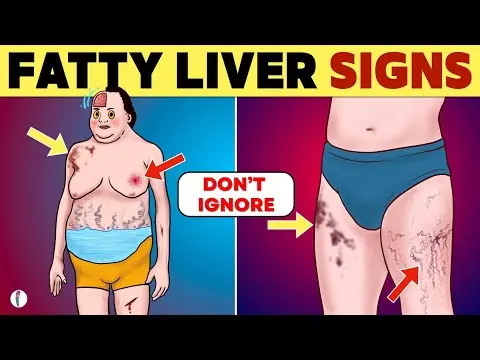
Your Body May Be Warning You About Fatty Liver Disease—Don't Ignore These 6 Signs 👇

Always Waking Up Between 3 and 4 AM? Experts Say It Could Be Worth Paying Attention To 😮👇
The Truth About Intimate Odor: 4 Common Causes Every Woman Should Know 💗👇

Drinking Coconut Water Could Change More Than Your Hydration—Doctors Explain 🥥👇
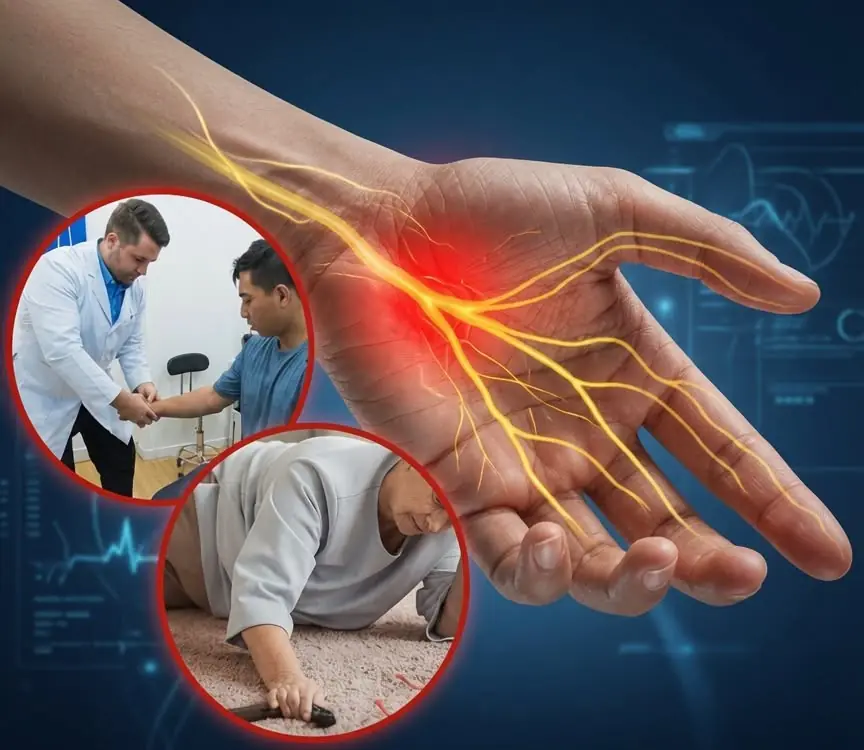
⚠️ 4 Early Warning Signs That Could Show Up Minutes Before a Stroke — Don’t Ignore The
After 40, Your Nails Can Reveal Hidden Changes in Your Body—Don’t Ignore Thisa
Gout is a disease caused by the accumulation of uric acid in the body, causing severe joint pa.in. To control gout, diet plays a very important role.
10 Warning Signs Your Arteries Might Be Clogged (Don’t Ignore These)
9 Subtle Symptoms That Could Be Early Signs of Diabetes
Nighttime Bathroom Visits: What Frequent Urination Could Reveal About Your Healt

Your Body May Show These 7 Signs When Fa:tty Liver Disease Is Developing

Discover what truly sets farm-raised and store-bought beef apart today.

A rare newborn tooth left parents stunned but doctors offered reassurance.
Don't Ignore These Vein Changes If They Come With...
Doctors Reveal the Warning Signs of Low Blood Sugar

What Happens to Your Body When You Eat Peanuts

Moringa Seeds May Offer More Health Benefits Than Most People Realize

Frequent nighttime leg cramps may signal hidden health problems early.
Safe whitening tips that help brighten your smile without harming enamel.
Why Are Your Feet and Ankles Swollen? These Possible Reasons Could Explain It 👇
Your Body May Be Warning You About Fatty Liver Disease—Don't Ignore These 6 Signs 👇
Always Waking Up Between 3 and 4 AM? Experts Say It Could Be Worth Paying Attention To 😮👇
The Truth About Intimate Odor: 4 Common Causes Every Woman Should Know 💗👇
Drinking Coconut Water Could Change More Than Your Hydration—Doctors Explain 🥥👇
⚠️ 4 Early Warning Signs That Could Show Up Minutes Before a Stroke — Don’t Ignore The
After 40, Your Nails Can Reveal Hidden Changes in Your Body—Don’t Ignore Thisa
Gout is a disease caused by the accumulation of uric acid in the body, causing severe joint pa.in. To control gout, diet plays a very important role.
10 Warning Signs Your Arteries Might Be Clogged (Don’t Ignore These)
9 Subtle Symptoms That Could Be Early Signs of Diabetes
Nighttime Bathroom Visits: What Frequent Urination Could Reveal About Your Healt
Your Body May Show These 7 Signs When Fa:tty Liver Disease Is Developing
Discover what truly sets farm-raised and store-bought beef apart today.
A rare newborn tooth left parents stunned but doctors offered reassurance.
Don't Ignore These Vein Changes If They Come With...
Doctors Reveal the Warning Signs of Low Blood Sugar
What Happens to Your Body When You Eat Peanuts
Moringa Seeds May Offer More Health Benefits Than Most People Realize