Chapter 1: A Family Dinner Turns Into a Medical Emergency
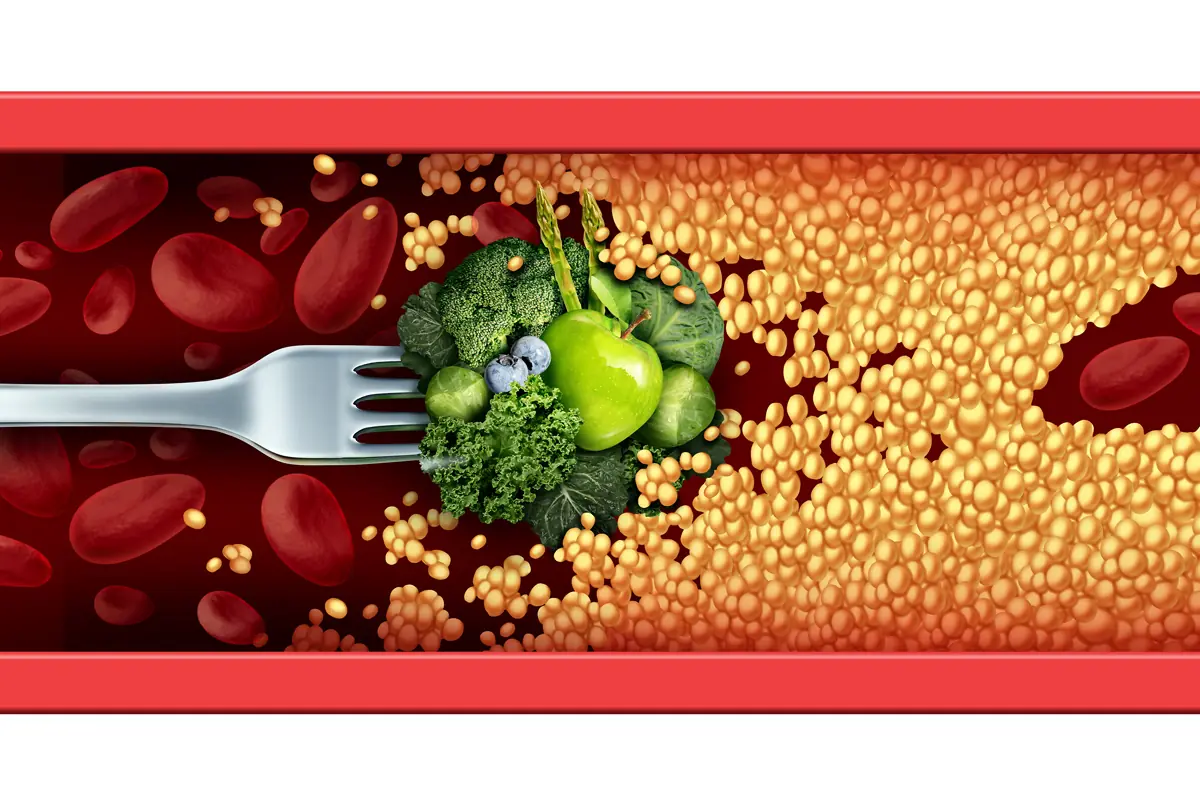
A family dinner is usually a moment of relaxation. People gather around the table, share stories, enjoy familiar dishes, and spend time together.
But imagine a situation in which a 51-year-old man suddenly becomes unable to speak clearly while eating with his family.
At first, his relatives may think he is choking, feeling dizzy, or simply exhausted after a long day.
Then they notice something frightening.
One side of his face appears different. His arm becomes weak, and his words are difficult to understand.
Within minutes, an ordinary evening becomes a medical emergency.
These are possible warning signs of a stroke, a condition that occurs when blood flow to part of the brain is interrupted or when a blood vessel in the brain ruptures.
The image accompanying this story shows a patient receiving hospital care, alongside illustrations of salt and a blood clot. Although the photograph does not establish a verified medical case or identify what the man ate, it highlights an important issue: everyday dietary habits can influence cardiovascular health and stroke risk over time.
What happens inside the body during a stroke?
The brain requires a continuous supply of oxygen and nutrients delivered through blood vessels.
When this supply is interrupted, brain cells begin to lose their ability to function.
There are two major types of stroke.
Ischemic stroke occurs when a blood clot blocks an artery supplying the brain. This is the most common type.
Hemorrhagic stroke occurs when a blood vessel ruptures and causes bleeding in or around the brain.
Both conditions are medical emergencies.
The damage can develop rapidly, which is why recognizing symptoms and obtaining emergency treatment immediately are essential.
According to the World Health Organization, stroke is a major cause of death and disability worldwide. High blood pressure, tobacco use, unhealthy diets, physical inactivity, and other cardiovascular risk factors contribute to the overall burden of the disease.
World Health Organization+1
Why can someone experience a stroke at 51?
Many people associate strokes with advanced age.
However, strokes can happen to younger and middle-aged adults as well.
A person in their early fifties may have several risk factors that have developed over many years.
These can include:
-
High blood pressure.
-
Elevated LDL cholesterol.
-
Diabetes.
-
Smoking.
-
Obesity.
-
Heart disease.
-
Atrial fibrillation.
-
Physical inactivity.
-
Excessive alcohol consumption.
-
Unhealthy dietary habits.
Some of these conditions develop without obvious symptoms.
For example, high blood pressure is often called a silent condition because many people do not feel anything unusual even when their blood pressure is dangerously elevated.
Over time, uncontrolled hypertension can damage the walls of blood vessels and increase the likelihood of both ischemic and hemorrhagic stroke.
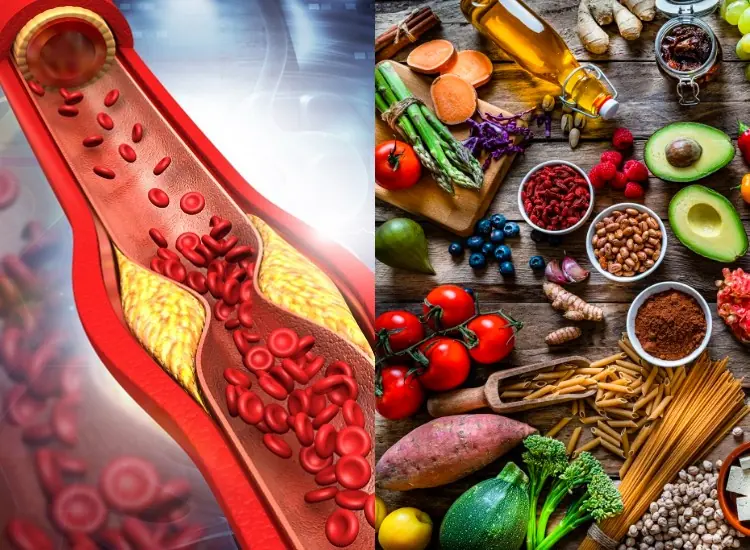
High cholesterol can also contribute to plaque accumulation inside arteries, narrowing the space through which blood flows.
If a clot forms or blocks an already narrowed vessel, the consequences can be severe.
Can one dinner cause a stroke?
This is an important distinction.
Eating one salty meal does not automatically cause a person to suffer a stroke.
Stroke usually results from a combination of underlying conditions and risk factors.
However, regularly consuming excessive amounts of sodium, highly processed foods, and unhealthy fats can contribute to high blood pressure, abnormal cholesterol levels, obesity, and diabetes.
These conditions may increase stroke risk over time.
The Centers for Disease Control and Prevention identifies excessive dietary sodium, unhealthy fats, smoking, physical inactivity, and other lifestyle factors as important contributors to stroke risk.
The key lesson is that stroke prevention begins long before an emergency occurs.
Understanding blood pressure, cholesterol, and everyday food choices can help people make decisions that protect their blood vessels.
Chapter 2: Three Food Categories That May Increase Stroke Risk When Consumed Regularly
The foods people eat every day can influence blood pressure, cholesterol, blood sugar, and body weight.
These factors all play important roles in cardiovascular health.
Doctors generally do not recommend eliminating every food that contains salt, fat, or sugar.
Instead, the goal is to reduce excessive consumption and build a balanced eating pattern.
Here are three food categories that deserve particular attention.
1. Extremely salty foods and processed snacks
Salt is necessary for normal body functions, but excessive sodium intake can contribute to high blood pressure.
This is particularly important because hypertension is one of the leading modifiable risk factors for stroke.
Many people consume more sodium than they realize.
Some of the biggest sources include:
-
Instant noodles.
-
Salted potato chips.
-
Processed meats.
-
Packaged soups.
-
Commercial sauces.
-
Pickled foods.
-
Salted nuts.
-
Fast-food meals.
-
Ready-made frozen meals.
Instant noodles are a common example.
A single package may contain a considerable amount of sodium, particularly when the seasoning packet and soup are consumed together.
Eating such products occasionally is not automatically dangerous.
The concern is a regular dietary pattern in which highly salted foods replace healthier meals.
How does excessive sodium affect blood vessels?
Sodium influences the amount of fluid retained in the body.