A late-night journey home is usually something relatives take for granted.
Parents may expect a message when their children leave university. They may prepare dinner, wait for a phone call, or simply assume that the familiar bus route will bring everyone home as it normally does.
On the night of the collision, that expectation was shattered.
News of a serious accident began reaching the community, and families needed to determine whether their relatives were among those involved.
In situations involving multiple casualties, identifying passengers can take time.
Emergency responders must first prioritize rescue and medical treatment. Police and forensic specialists then work to establish identities, document the circumstances, and coordinate the release of information to relatives.
For families, this process can be agonizing.
Not knowing whether a loved one is injured, hospitalized, or among those who died creates a particular kind of distress.
Even when information becomes available, the emotional impact can be overwhelming.
The twelve deaths represented twelve separate family tragedies, each involving personal relationships, memories, and futures that would never unfold as expected.
There were parents who had watched their children work toward degrees, siblings who shared everyday experiences, and friends who had expected to continue studying together.
The loss also affected people who had no direct connection to the passengers but understood the scale of what had happened.
In a relatively close-knit university and regional community, news of such an accident can spread quickly.
People recognize names, faces, academic groups, and familiar journeys.
A tragedy involving students from one institution can therefore become a collective experience of grief.
The Victims Were More Than Numbers in a News Report
When a headline says that twelve people died, the number can be difficult to comprehend.
It is tempting to focus on statistics because they communicate the scale of an incident quickly.
But each person represented an individual life.
University students are often at a stage when their future possibilities seem especially wide.
They may be deciding which profession to pursue, completing their first internships, building relationships, and discovering what kind of life they want to create.
Some are the first members of their families to attend university.
Others are studying while working, helping relatives, or managing financial responsibilities.
Their academic journeys may involve sacrifices that are not visible to people outside their immediate families.
The bus journey itself was part of that larger effort.
Students who travel between towns for education often spend hours each week commuting.
They leave home early, attend classes, and return late.
Over time, the route becomes familiar enough that passengers may stop thinking about the risks associated with every trip.
That familiarity makes the tragedy particularly painful.
The students were not participating in an unusual adventure or taking an unnecessary journey.
They were traveling because they had attended university.
Their ordinary commitment to education became part of a disaster that no family should have to experience.
The Emotional Impact on Survivors
Surviving a major road accident does not necessarily mean escaping its consequences.
People who survive serious collisions may experience physical injuries, but they can also face psychological difficulties.
A survivor might remember the sound of the impact, the sudden movement of the vehicle, or the confusion immediately afterward.
Some may feel fortunate to have survived.
Others may struggle with guilt because friends or fellow passengers did not.
This experience is sometimes described as survivor's guilt.
It can occur even when a person had no control over the circumstances.
A student may wonder why they survived while someone sitting nearby did not.
They may replay decisions made before the collision or imagine different outcomes.
Such thoughts can be emotionally exhausting.
Other survivors may develop anxiety about traveling in buses, trucks, or cars.
A journey that previously felt routine can become frightening.
Some people may avoid certain roads or feel uncomfortable when vehicles approach closely from the opposite direction.
Recovery therefore requires more than treating visible injuries.
Medical care, psychological support, family assistance, and time can all play important roles.
The university's reported decision to make psychological support available was particularly relevant in this context.
Students who were not physically present during the collision could also experience distress after losing friends and classmates.
A supportive environment can help people recognize that grief and trauma are not signs of weakness.
The Importance of Supporting Families After Mass-Casualty Accidents
A large road accident creates needs that continue after emergency vehicles leave the scene.
Families may need help with hospital communication, identification procedures, funeral arrangements, legal questions, and financial difficulties.
Some may have to travel between municipalities to reach hospitals or government offices.
Others may need assistance understanding official documents and the investigation process.
Clear communication from authorities is essential.
Families should receive accurate information without having to rely on rumors or social media speculation.
When information is incomplete, public statements should explain what is known, what remains uncertain, and when additional updates may become available.
This approach can reduce confusion during an already painful period.
Universities and employers may also provide practical support.
For example, academic institutions can help affected students manage missed classes, examinations, and financial concerns.
They can arrange counseling services and create spaces where classmates can remember those who died.
For families who have lost a child, the process is much more complicated.
No administrative service can replace a loved one.
However, compassionate assistance can prevent families from facing every practical difficulty alone.
Three Days of Official Mourning
The tragedy prompted official mourning in São Paulo state.
Governor Tarcísio de Freitas declared three days of mourning following the deaths of the twelve students.
The measure reflected the seriousness of the incident and the impact it had on the region.
Official mourning is a public expression of recognition.
It acknowledges that a tragedy has affected more than the people directly involved.
Public institutions, communities, and organizations use such periods to express solidarity with bereaved families and recognize the loss.
The university also declared mourning and suspended classes.
For students returning to campus after such an event, the absence of classmates can make everyday surroundings feel unfamiliar.
A classroom may contain empty seats.
A familiar group may no longer be complete.
Ordinary conversations can become reminders of the people who are missing.
These changes explain why commemorative activities and emotional support can be important parts of the recovery process.
The objective is not to force people to move on quickly.
It is to create an environment in which they can remember the victims while gradually rebuilding their routines.
Why Accurate Reporting Matters When Families Are Grieving
A tragedy of this scale often attracts intense public attention.
News organizations may publish updates as new information becomes available.
However, early reports sometimes contain different casualty figures, incomplete names, or preliminary descriptions of the accident.
That happened in the coverage of this collision.
Some initial reports referred to 19 injured people, while later reports from major outlets and authorities cited 21.
The distinction matters because numbers can change as rescue operations progress and information is verified.
Responsible reporting should make clear which figures are preliminary and which are confirmed by subsequent updates.
It should also avoid publishing unverified accusations or presenting speculation as established fact.
For example, reports about a driver allegedly leaving the scene should be attributed to the relevant authorities.
A driver's explanation should also be identified as an account or defense statement rather than treated as a final finding.
This is particularly important when a criminal investigation is underway.
The families of victims deserve accurate information.
Survivors deserve respect for their privacy.
And people accused of wrongdoing are entitled to the legal protections provided by the justice system.
Sensational headlines may attract clicks, but careful reporting is more valuable when the consequences involve real people.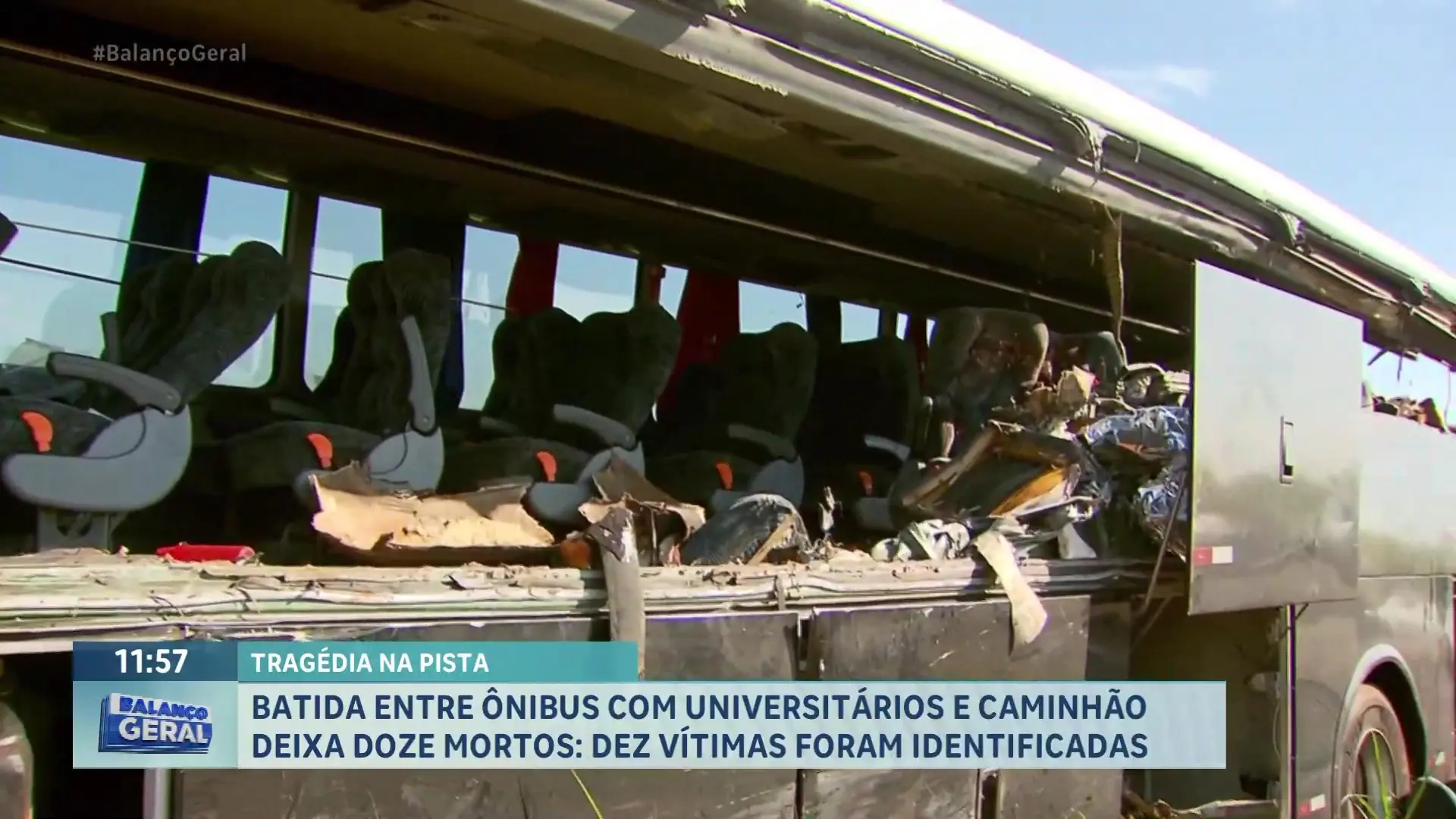
Chapter 4: What This Accident Reveals About Road Safety
Why Heavy Trucks and Passenger Buses Require Special Attention
Large vehicles play an essential role in modern transportation.
Trucks move food, construction materials, agricultural products, fuel, and countless other goods.
Buses allow students, workers, and residents to travel between towns without needing individual cars.
However, the size and weight of these vehicles create particular safety challenges.
A fully loaded truck can require considerably more distance to stop than a passenger car.
Its turning behavior is different, and the driver may have larger blind spots.
A bus also has a different center of gravity and carries many passengers who depend on the vehicle's structure and safety systems.
When two large vehicles meet on a narrow road, the available space for avoiding danger can be limited.
This is why road design and traffic management are especially important on routes used by both commercial trucks and passenger buses.
Drivers must maintain appropriate speeds and distances.
Transport companies must maintain vehicles properly.
Authorities must ensure that roads are suitable for the traffic they carry.
No single measure can eliminate every accident, but multiple safety measures can reduce the likelihood and severity of collisions.
The Danger of Narrow Roads Without Proper Shoulders
One issue highlighted by the reporting was the limited width of the road and the absence of a proper shoulder in the relevant section.
A road shoulder serves several purposes.
It can provide space for emergency stopping, allow vehicles to recover from minor deviations, and offer additional clearance when traffic encounters unexpected obstacles.
Without adequate shoulders, a driver who moves slightly outside the normal lane may face a sudden change in pavement height or encounter unstable roadside ground.
For a heavy truck, this can be particularly challenging.
If one side of the vehicle drops below the road surface, the driver may struggle to maintain control while attempting to return to the paved area.
A passenger bus approaching from the opposite direction may have little room to move safely.