Doctors may need to explain the difference between treating an illness, supporting bodily functions, and providing comfort when recovery is no longer expected.
For example, a family may believe that withdrawing a ventilator means abandoning the patient.
However, comfort-focused care is still active medical care.
Healthcare professionals continue to assess symptoms, manage discomfort, provide nursing support, and respect the patient's dignity.
The objective changes from attempting to reverse the underlying condition to prioritizing comfort and the patient's goals.
This distinction can help families understand that withdrawing a treatment does not mean withdrawing compassion.
The Importance of Asking Questions
When facing a serious medical decision, relatives should feel able to ask questions.
Some particularly important questions include:
-
What is the patient's current medical condition?
-
Which organs or bodily functions are being supported?
-
What is the realistic possibility of recovery?
-
What would happen if treatment continued?
-
What would happen if a particular treatment were withdrawn?
-
How would the healthcare team manage pain, anxiety, or breathing discomfort?
-
Would the patient be able to communicate?
-
Can family members remain at the bedside?
-
Are there written wishes or advance care plans that should guide the decision?
These questions are not signs of distrust.
They are part of understanding an extremely important medical situation.
Families should also be allowed to request another conversation if they do not understand the explanation.
In some circumstances, a second medical opinion or consultation with a palliative care specialist may be appropriate.
The European Society of Intensive Care Medicine emphasizes the importance of structured communication and family support when decisions about life-sustaining treatment are being considered.
PubMed Central (PMC)+1
The emotional story of the husband and wife is powerful, but real families need more than an emotional headline.
They need accurate information, time to understand their options, and reassurance that their loved one will receive appropriate care.
The Emotional Burden on a Husband Preparing to Say Goodbye
Losing a spouse is one of the most difficult experiences a person can face.
For many couples, marriage involves more than living together.
It involves building a shared identity.
The couple may have established routines that shape nearly every part of the day.
One person may prepare breakfast while the other makes coffee. They may share responsibility for children, household finances, and family commitments.
They may have favorite television programs, familiar jokes, and small traditions that outsiders would never notice.
Over time, these ordinary activities become part of a shared life.
When one partner becomes critically ill, the surviving partner may suddenly face the possibility of losing not only a loved one but also the person with whom they have organized their everyday world.
This can produce an overwhelming mixture of emotions.
There may be sadness, fear, anger, confusion, and disbelief.
There may also be guilt.
A husband may wonder whether he did enough. He may replay conversations and question whether different decisions could have changed the outcome.
He may feel guilty for agreeing with a doctor's recommendation or guilty for questioning it.
These emotions do not necessarily mean that he made the wrong decision.
They are often part of the psychological burden of facing a situation that cannot be controlled.
A family should never be expected to navigate this process without support.
Hospitals may offer social workers, counselors, chaplains, psychologists, or palliative care teams who can help relatives understand what is happening and cope with the emotional consequences.
Support may also be available after the patient dies.
Grief does not follow a predictable schedule.
Some people experience intense sadness immediately. Others remain focused on practical responsibilities and feel the emotional impact more strongly weeks or months later.
There is no single correct way to grieve.
The Meaning of Being Present
The husband's reported decision to remain beside his wife is one of the most emotionally recognizable elements of the story.
Many people believe that being physically present is one of the most important things they can offer someone they love.
They may not know what to say.
They may not be able to change the medical outcome.
They may not understand every treatment.
But they can sit beside the bed, hold a hand when appropriate, and offer familiar words.
These actions can provide emotional comfort even when the patient cannot visibly respond.
For the family member, being present may also help create a sense that they have shared an important moment rather than leaving everything to medical professionals.
However, relatives should not feel that they must remain at the bedside every minute.
Rest, food, and emotional support are also important.
Some family members need short breaks. Others may prefer to have another relative take over for a while.
This is not abandonment.
It is a recognition that caregivers are human beings who also need care.
Why Families Are Encouraged to Speak to Critically Ill Loved Ones
When someone is seriously ill, relatives sometimes worry about whether they should continue speaking to the patient.
They may wonder whether their words are being understood.
They may worry that discussing difficult subjects could cause distress.
They may even feel uncomfortable speaking when the patient does not respond.
A gentle and natural approach is often helpful.
Families can talk about familiar subjects.
They can describe what is happening outside the hospital.
They can mention the arrival of relatives, share family news, or talk about a favorite memory.
Some people prefer to read a familiar book or play music the patient enjoys, provided the medical team agrees.
The important point is to avoid treating the patient as though they are no longer a person simply because they cannot communicate.
Their dignity remains important.
A patient should continue to be addressed respectfully.
Caregivers should explain what they are doing when providing personal care, even if the patient appears unable to respond.
These practices are consistent with person-centered care.
However, it is also important not to place an emotional burden on family members by suggesting that they must keep talking because the patient can certainly hear them.
The available evidence does not support that guarantee.
A relative who needs to sit quietly should not feel guilty.
Silence can also be a meaningful form of companionship.
Sometimes, the simple presence of someone familiar is enough for the family member to feel that they are still connected.
When the Patient's Voice Returns: Understanding Possible Medical Explanations
The idea of a patient suddenly speaking after several days of limited responsiveness is emotionally striking, but there are several medical situations that can make communication difficult and later allow it to return.
Understanding these possibilities helps separate realistic medical events from exaggerated online storytelling.
1. Sedation and medication effects
Patients in intensive care may receive medications that reduce anxiety, discomfort, or awareness.
Depending on the medication and dosage, a patient may appear very sleepy or respond only occasionally.
When the medication is reduced or discontinued, the patient's level of alertness may change.
However, this does not automatically mean the underlying illness has improved.
2. Delirium and fluctuating awareness
Some critically ill patients experience delirium.
This condition can cause confusion, changes in attention, altered awareness, and difficulty communicating.
A patient may appear more alert at certain times and less responsive at others.
These changes can be distressing for relatives who do not understand why the patient's behavior seems inconsistent.
3. Physical weakness
A person may understand what is being said but lack the physical strength to respond.
Severe illness, prolonged hospitalization, and mechanical ventilation can contribute to significant muscle weakness.
Even speaking a short sentence may require considerable effort.
4. Neurological conditions
Brain injuries, strokes, infections, and other neurological problems can affect speech, movement, and awareness.
Some patients may understand language but struggle to produce words.
Others may have difficulty recognizing familiar people or following conversations.
5. Removal of a breathing tube
A patient with an endotracheal tube cannot normally speak while the tube remains in place because it passes through the vocal cords.
After the tube is removed, speech may become possible if the patient is sufficiently awake and physically capable.
The voice may initially sound weak, rough, or different from normal.
These explanations illustrate why a detailed medical history is necessary before drawing conclusions about an unusual communication event.
A short online account cannot establish which, if any, of these circumstances applied to the woman in the headline.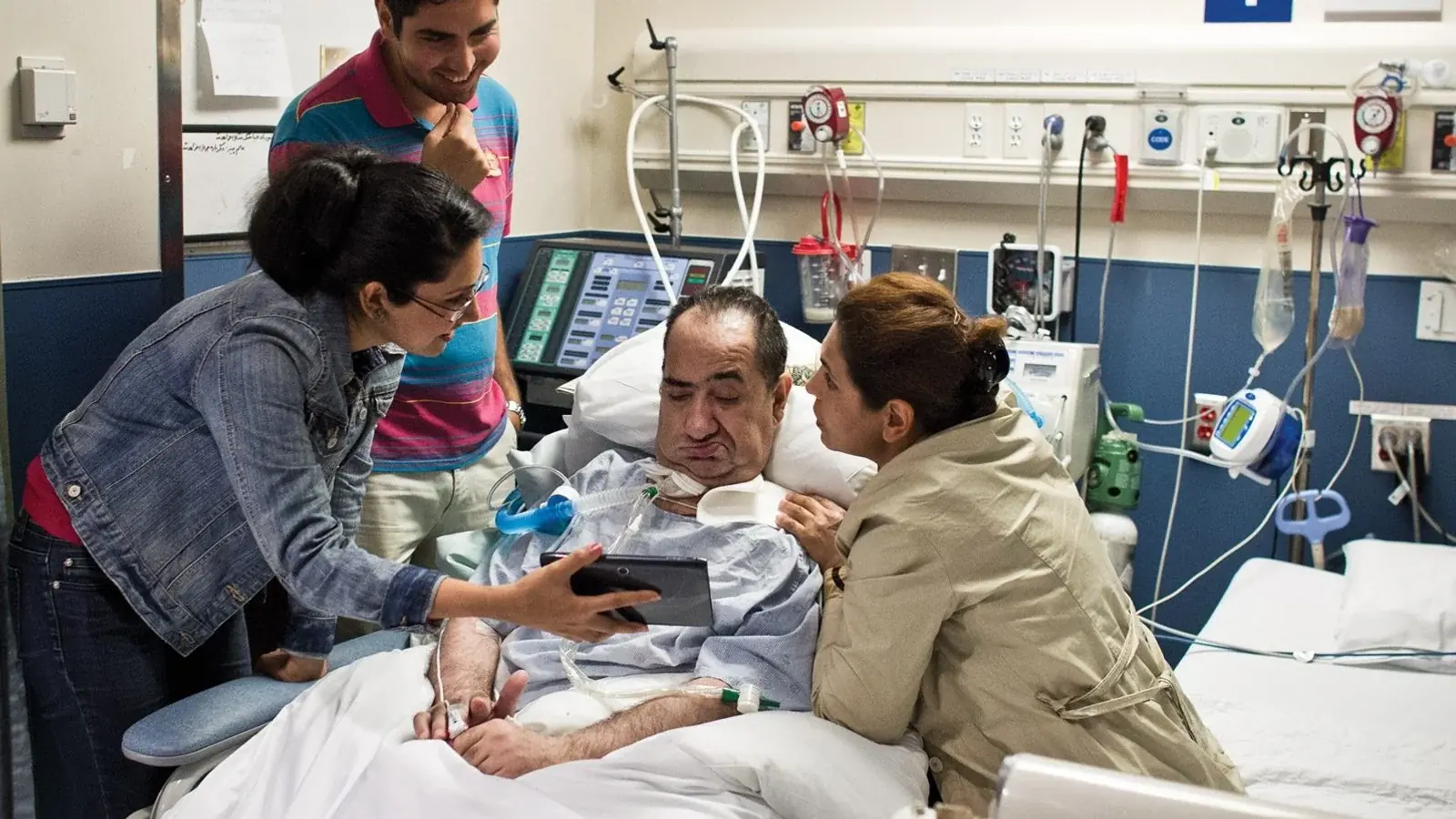
Could the Five Words Have Been Her Last Conversation?
The headline leaves readers with another question: what happened after the woman reportedly spoke?
Did she recover? Did she remain conscious? Was the sentence truly her last communication?
The supplied account does not answer these questions.
It describes an emotional exchange but provides no confirmed medical follow-up.
This is an important limitation because the words "I love you too, honey" do not necessarily indicate that the patient was recovering.
A patient may be able to communicate briefly without experiencing an overall improvement in their condition.
Someone with severe respiratory failure, advanced neurological disease, or multiple organ complications might still produce a short response.
Similarly, a brief improvement in alertness does not necessarily change the underlying prognosis.
Medical teams evaluate the entire clinical picture rather than relying on a single moment.
They consider breathing, circulation, neurological function, organ performance, and the cause of the illness.
They also assess whether any change is sustained or temporary.
For relatives, this can be emotionally complicated.
A sudden response may bring hope, but it can also create confusion when doctors continue to explain that the prognosis remains poor.
In such circumstances, families should ask the medical team to explain what the response means and whether it changes the treatment plan.
A brief sentence can be emotionally meaningful without necessarily being a medical turning point.
That distinction protects families from developing expectations that may not be supported by the patient's condition.
What If a Patient Survives After Ventilator Withdrawal?
Although the headline focuses on an emotional farewell, one important medical point deserves attention.