Known scientifically as Sechium edule, chayote belongs to the gourd family, alongside cucumbers, pumpkins, melons, and zucchini. It is widely consumed in Latin America, Asia, and other parts of the world, where it is valued for its versatility and affordability.
What makes chayote particularly interesting is its nutritional composition. It provides dietary fiber, vitamin C, folate, potassium, and several plant compounds while being relatively low in calories. These nutrients contribute to normal digestive function, immune health, blood pressure regulation, and other essential processes in the body.
Although chayote is sometimes promoted as a vegetable that can prevent or treat various diseases, it is important to separate established nutritional benefits from claims that have not been adequately demonstrated in humans.
Eating chayote will not cure diabetes, eliminate belly fat, or reverse chronic disease. However, including it in a balanced eating pattern may support several aspects of overall health.
Here are 15 potential health benefits of chayote squash, along with practical ways to enjoy it.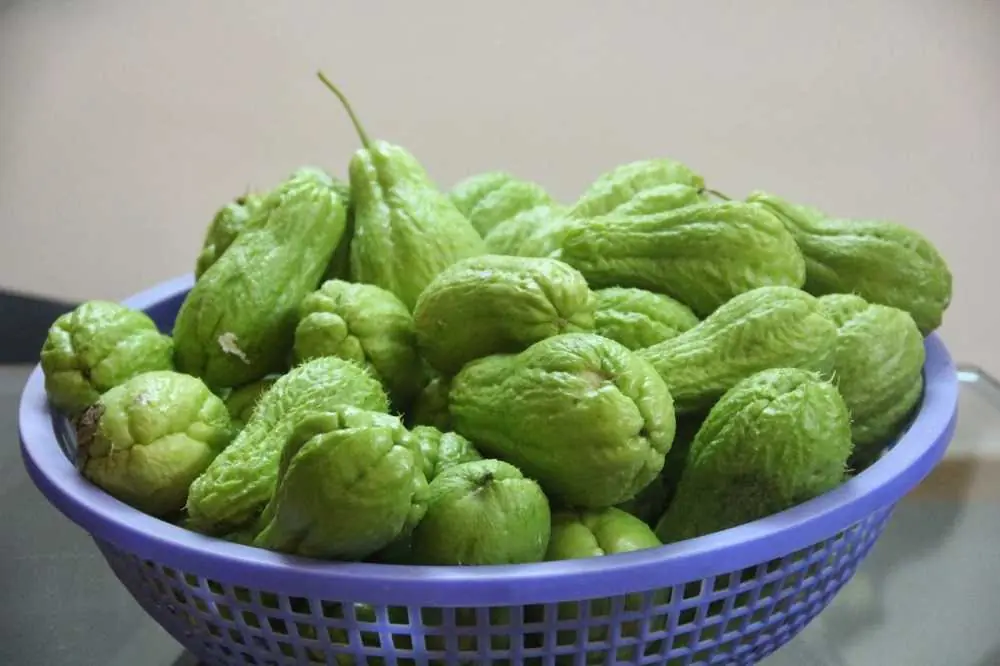
1. Supports Healthy Digestion
One of the most valuable nutritional features of chayote is its dietary fiber content.
Fiber plays an important role in maintaining normal digestive function. It adds bulk to stool, supports regular bowel movements, and helps food move through the digestive tract.
When people do not consume enough fiber, they may experience constipation, irregular bowel movements, or difficulty passing stool.
Adding fiber-rich vegetables such as chayote to meals can help improve overall fiber intake.
Chayote also contains a considerable amount of water. This combination of water and fiber can contribute to softer stools and support normal intestinal movement.
Fiber also serves as nourishment for certain beneficial bacteria in the large intestine. These microorganisms help maintain the gut environment and participate in several processes related to digestive and metabolic health.
However, increasing fiber intake too quickly can cause temporary bloating, gas, or abdominal discomfort.
If your usual diet contains relatively little fiber, start with moderate portions and increase gradually. Drinking enough fluids is also important when increasing dietary fiber.
Chayote can be added to vegetable soups, steamed dishes, and stir-fries as an easy way to introduce more plant-based fiber into everyday meals.
2. May Help Support Healthy Blood Pressure
Chayote contains potassium, an essential mineral that helps regulate blood pressure.
Potassium plays an important role in maintaining the balance of fluids and electrolytes inside and outside cells. It also helps regulate the effects of sodium on blood pressure.
A diet containing adequate potassium may help counterbalance some of the blood-pressure-raising effects of excessive sodium intake.
This is one reason health professionals often recommend eating a variety of potassium-rich fruits and vegetables as part of a heart-healthy eating pattern.
Chayote can contribute to daily potassium intake while providing relatively few calories.
However, eating chayote alone is unlikely to produce a major change in blood pressure. Its potential benefit comes from being part of a broader dietary pattern that includes vegetables, fruits, whole grains, beans, and other nutritious foods.
Reducing excessive salt intake, maintaining a healthy weight, exercising regularly, and following prescribed blood pressure treatment remain important.
An important caution: People with advanced kidney disease or those taking certain medications that increase potassium levels may need to limit potassium-rich foods. They should follow individualized medical advice rather than increasing potassium intake without guidance.
3. Contributes to Immune System Function
Chayote provides vitamin C, a nutrient that contributes to normal immune system function.
Vitamin C supports several biological processes involved in the body's defense against infections. It helps protect cells from oxidative damage and contributes to the normal functioning of immune cells.
It is also necessary for collagen production, which helps maintain the integrity of skin and other tissues that form part of the body's protective barriers.
Although vitamin C is often associated with preventing colds, its role is more nuanced.
Adequate vitamin C intake supports normal immune function, but eating a particular vegetable does not guarantee that you will avoid infections.
The body needs a variety of nutrients to maintain an effective immune response, including protein, zinc, vitamin A, vitamin D, and other vitamins and minerals.
Chayote can contribute to this nutritional variety, especially when combined with other vegetables.
For example, cooking chayote with tomatoes, bell peppers, carrots, and leafy greens can create a nutrient-rich meal containing several different plant compounds and vitamins.
4. May Support Heart Health
Heart health depends on several interconnected factors, including blood pressure, cholesterol levels, blood glucose regulation, inflammation, physical activity, and overall dietary quality.