Chayote contributes some vitamin C to the diet, although it should not be considered a concentrated source compared with foods such as guava, kiwi, citrus fruits, and bell peppers.
Its potential skin-related benefits are therefore part of a broader nutritional picture.
Eating chayote will not erase wrinkles or cure acne. Skin health is influenced by genetics, sun exposure, hormones, sleep, hydration, skincare habits, and overall nutrition.
A varied diet containing fruits, vegetables, protein, and healthy fats is a more reliable foundation for supporting skin health than relying on any single food.
9. Contributes to Healthy Red Blood Cell Formation
Chayote contains folate, also known as vitamin B9.
Folate is essential for DNA synthesis and cell division. It also plays a key role in the production of healthy red blood cells.
When the body does not receive enough folate, red blood cell production can become abnormal, potentially leading to a type of anemia known as megaloblastic anemia.
Symptoms may include fatigue, weakness, pale skin, and difficulty concentrating.
Adequate folate intake is particularly important during periods of rapid cell growth, including pregnancy.
Folate also plays a critical role in early fetal development, particularly in the formation of the neural tube.
However, the amount of folate supplied by chayote is not sufficient to replace recommended folic acid supplementation during pregnancy.
People who are pregnant or planning to become pregnant should follow medical guidance on folic acid intake.
Chayote can contribute to dietary folate intake when included alongside other sources such as leafy greens, beans, lentils, asparagus, and fortified grains.
10. May Support Healthy Fluid Balance
Chayote contains a high proportion of water, making it a refreshing vegetable that can contribute to daily fluid intake.
The body needs water to regulate temperature, transport nutrients, support digestion, maintain circulation, and remove waste products.
Although most hydration comes from drinking fluids, foods with high water content also contribute.
Chayote can be particularly useful in meals served during hot weather because it provides moisture while adding texture and nutrients.
Its potassium content also contributes to normal electrolyte balance.
However, eating chayote should not be confused with treating dehydration or kidney problems.
People experiencing significant fluid loss from vomiting, diarrhea, or excessive sweating may need more deliberate fluid replacement.
Individuals with advanced kidney disease, heart failure, or other conditions requiring fluid restriction should follow their healthcare professional's recommendations.
11. May Contribute to Bone Health
Healthy bones depend on a combination of nutrients, including calcium, vitamin D, vitamin K, phosphorus, magnesium, and protein.
Chayote contains small amounts of several minerals involved in normal body functions, including magnesium and phosphorus.
Magnesium contributes to bone structure and participates in the regulation of calcium and vitamin D metabolism.
Phosphorus is also an essential component of bones and teeth.
However, chayote is not a particularly rich source of calcium or vitamin D, two nutrients that are especially important for maintaining bone health.
Its contribution should therefore be viewed as part of a diverse diet rather than a direct treatment for osteoporosis or bone weakness.
For stronger bones, combine vegetables with adequate protein, calcium-rich foods, appropriate vitamin D intake, and regular weight-bearing exercise.
People with osteoporosis or a high risk of fractures should follow a personalized prevention and treatment plan.
12. Provides Nutrients That Support Normal Brain Function
The brain requires a steady supply of energy and nutrients to maintain normal functioning.
Folate is particularly important because it participates in DNA synthesis, cell division, and the metabolism of homocysteine.
Vitamin C also contributes to normal nervous system function and helps protect cells against oxidative damage.
Chayote provides small amounts of these nutrients, making it a useful addition to a varied eating pattern.
However, there is currently insufficient human evidence to claim that eating chayote directly improves memory, prevents dementia, or protects against Alzheimer's disease.
Brain health depends on many factors, including cardiovascular health, sleep quality, physical activity, social engagement, and overall nutrition.
A diet containing vegetables, fruits, whole grains, fish, legumes, nuts, and healthy fats is generally more important than focusing on one individual food.
Chayote can contribute to this pattern without being treated as a special brain-boosting remedy.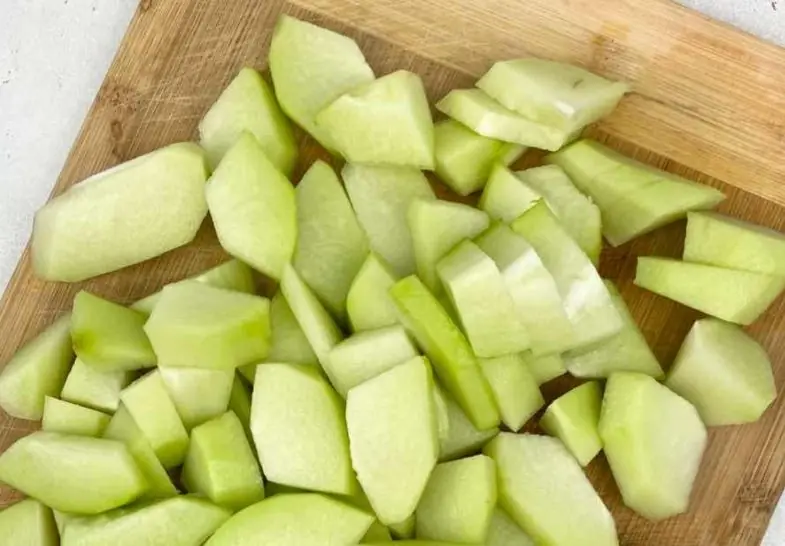
13. May Support Healthy Cholesterol Levels
Dietary fiber is one of the nutrients associated with healthier cholesterol levels.
Certain types of soluble fiber can bind to substances involved in cholesterol metabolism and help reduce the amount of cholesterol absorbed in the digestive tract.
Chayote contains dietary fiber, although it is not as concentrated a source of cholesterol-lowering soluble fiber as oats, barley, beans, and certain fruits.
Nevertheless, including it in a diet rich in vegetables and other fiber-containing foods can contribute to better overall dietary quality.
Another advantage is that chayote can replace ingredients that are higher in saturated fat or calories.