Are There Any Side Effects or Risks of Eating Chayote?
Chayote is generally considered safe as a food for most people.
However, a few considerations are worth keeping in mind.
Digestive discomfort
Chayote contains fiber, and suddenly increasing fiber intake can cause bloating, gas, or abdominal discomfort.
People who are not accustomed to eating many vegetables should begin with moderate portions.
Allergic reactions
Although uncommon, allergic reactions to chayote are possible.
People who develop itching, hives, swelling, or other symptoms after eating it should stop consuming the vegetable and seek medical advice.
Difficulty breathing, swelling of the tongue or throat, or signs of a severe allergic reaction require emergency care.
Potassium considerations for people with kidney disease
Chayote contains potassium.
For most healthy individuals, this is a useful nutrient. However, people with advanced kidney disease or certain medication-related potassium problems may need to monitor their intake.
Not everyone with kidney disease needs to avoid chayote. Dietary recommendations depend on kidney function, blood potassium levels, medications, and the overall eating plan.
Preparation and food hygiene
Wash chayote under clean running water before cutting.
Use clean kitchen equipment and remove damaged or spoiled sections.
Peeling is optional depending on the vegetable's maturity, texture, and recipe. If the skin is tough, peeling may improve the eating experience.
Some people notice a slippery substance on their hands when cutting fresh chayote. Washing the vegetable before preparation and rinsing your hands afterward can help.
Avoid exaggerated health claims
Chayote is sometimes promoted online as a natural treatment for diabetes, high blood pressure, kidney disease, or cancer.
These claims should be approached cautiously.
Although chayote contains beneficial nutrients and plant compounds, there is not sufficient clinical evidence to establish it as a treatment or cure for these conditions.
It should never replace prescribed medication or professional medical care.
How Much Chayote Should You Eat?
There is no universally established daily serving of chayote.
The appropriate amount depends on your overall diet, calorie requirements, digestive tolerance, and medical conditions.
For many adults, a moderate serving of approximately half a cup to one cup of cooked chayote can fit comfortably into a balanced meal.
You do not need to eat it every day to benefit from its nutritional contribution.
Rotating different vegetables is generally a better strategy because each provides a different combination of vitamins, minerals, fiber, and plant compounds.
For example, you can alternate chayote with broccoli, spinach, carrots, cabbage, zucchini, tomatoes, and other vegetables throughout the week.
Variety is one of the most reliable foundations of a healthy eating pattern.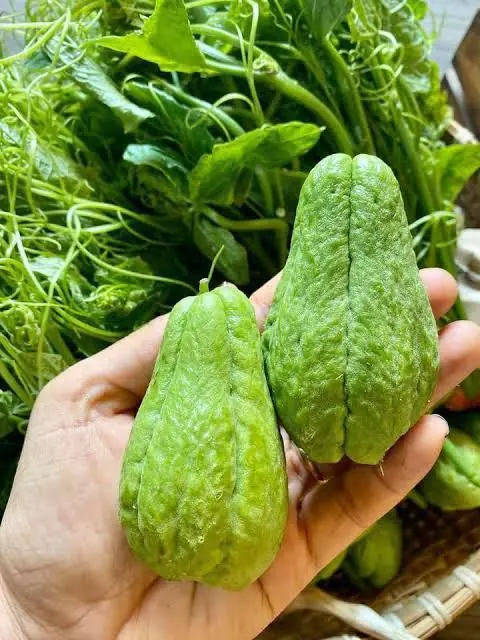
Who May Benefit Most From Adding Chayote to Their Diet?
Although chayote can fit into many eating patterns, it may be particularly useful for certain groups.
People trying to increase vegetable intake: Its mild flavor and versatility make it easy to incorporate into familiar recipes.
People managing their weight: Its high water content and relatively low calorie density allow it to add volume to meals.
People looking to increase fiber intake: Chayote contributes dietary fiber, especially when eaten alongside other vegetables, legumes, and whole grains.
People following a heart-conscious eating pattern: Its potassium content and low saturated fat content can complement a diet designed to support cardiovascular health.
People looking for affordable, versatile ingredients: Chayote can be prepared in many ways and combined with a wide range of foods.
However, people with kidney disease or specific dietary restrictions should consider their individual nutritional requirements before substantially increasing their intake.
Final Thoughts: A Simple Vegetable With Several Nutritional Advantages
Chayote squash may look ordinary, but its nutritional profile makes it a valuable addition to a balanced diet.
It provides water, dietary fiber, vitamin C, folate, potassium, and plant compounds that contribute to several important functions in the body.
Its potential benefits include supporting normal digestion, contributing to healthy blood pressure, providing nutrients involved in immune function, supporting a balanced eating pattern, and helping people increase their vegetable intake without adding many calories.
However, it is important to keep expectations realistic.
Chayote does not cure diabetes, prevent cancer, eliminate excess body fat, or replace medication. Many of its potential health benefits come from the nutrients it provides as part of a varied diet, rather than from a unique medicinal effect.
The best way to enjoy chayote is to include it alongside other vegetables, fruits, whole grains, healthy protein sources, and appropriate amounts of healthy fats.
Whether you steam it, stir-fry it, add it to soup, or slice it into a fresh salad, chayote offers a simple way to make everyday meals more nutritious.
Sometimes, improving your diet does not require expensive superfoods or complicated eating plans. It can begin with an affordable vegetable that has quietly been part of traditional cooking for generations.