
Soong Mei-ling, widely known as Madame Chiang, was a remarkable political figure whose influence shaped Chinese politics and foreign affairs throughout the first half of the 20th century.
Beyond her role as the wife of Chiang Kai-shek, the leader and later president of Nationalist China, she emerged as an articulate diplomat, a skilled public speaker, and a cultural bridge between China and the West.
Born into the wealthy and prestigious Soong family, Mei-ling grew up surrounded by education, opportunity, and international exposure. Long before her marriage to Chiang Kai-shek, she had already enjoyed a privileged lifestyle, studying in the United States and becoming fluent in English—an ability that later helped her gain admiration on the global stage.
At the age of 40, Soong Mei-ling was diagnosed with cancer, a life-threatening challenge that shocked many around her. However, she overcame the illness with determination, discipline, and resilience, eventually living to the astonishing age of 106. Her extraordinary longevity fascinated people around the world, especially as she remained active, elegant, and mentally sharp well into her later years. She passed away peacefully in 2003, leaving behind a legacy of strength, charisma, and political influence.
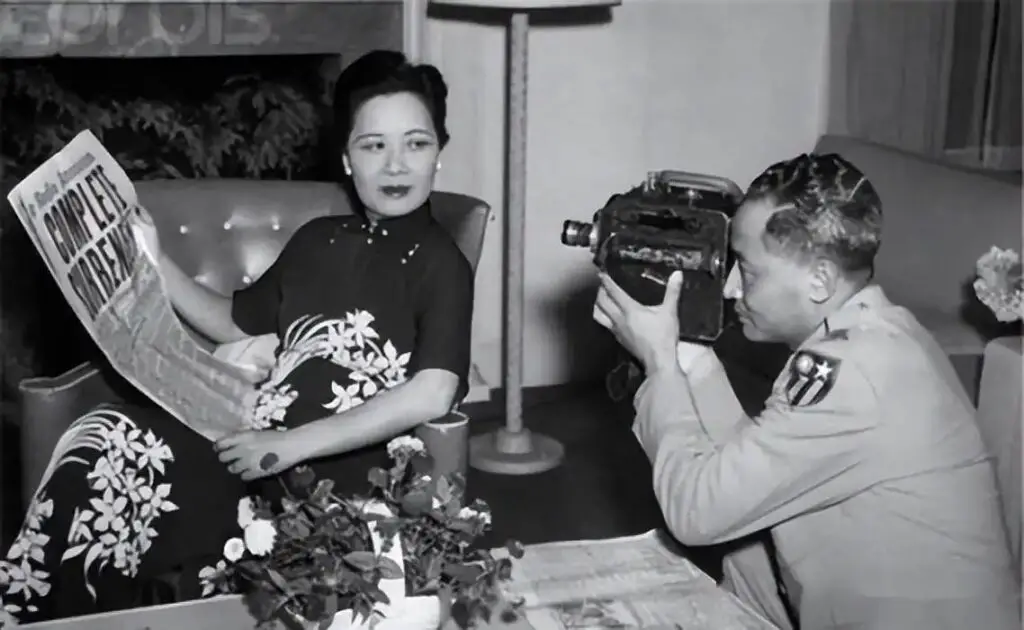
Her long life and radiant health often led admirers to credit her disciplined lifestyle, her understanding of Traditional Chinese Medicine, and her firm commitment to structured daily habits. Madame Chiang followed a consistent routine, going to bed at 11 p.m. each night and waking at 9 a.m., allowing herself ample rest. She also devoted about two hours a day to creative activities such as reading, painting, and writing—habits she believed helped keep her mind energetic and her spirit calm.
Each morning, she began her day with a glass of cold lemon water, a ritual she felt refreshed her body and helped digestion. She also incorporated fruits like kiwi, pineapple, and lychee into her regular diet, enjoying them not only for their taste but also for their nutrient-rich profiles.
Among the vegetables she favored most was celery, a staple in Traditional Chinese Medicine. Celery is known for being rich in proteins, carotenoids, carbohydrates, and B vitamins, while remaining simple and inexpensive to grow. Many believe it supports heart health, protects vision, assists with weight management, and helps reduce damage caused by free radicals. These qualities made it a consistent feature on her dining table.
Another cornerstone of her diet was spinach, a leafy green packed with protein, calcium, iron, phosphorus, and vitamin B2. Spinach is often praised for supporting healthy aging, promoting brain function, and aiding the stomach and pancreas. For Mei-ling, it was both a nutritious and versatile ingredient.
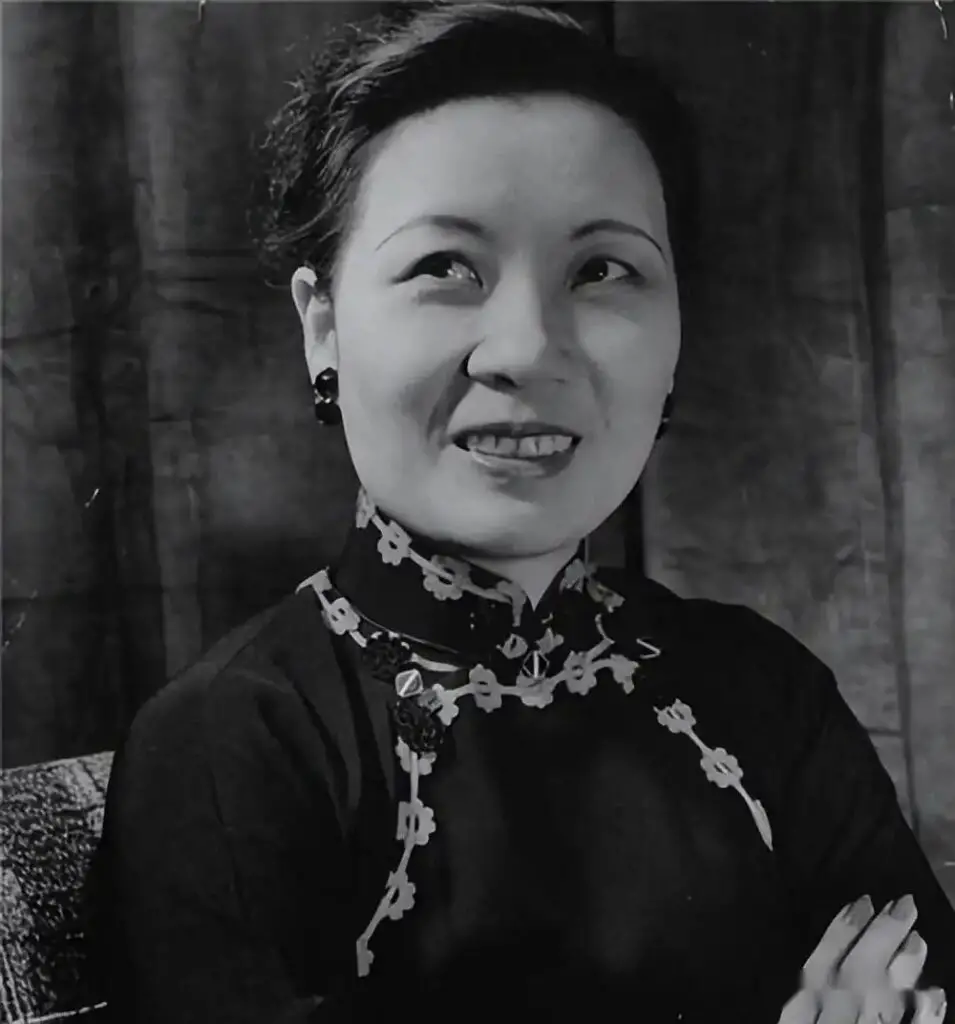
One of her most notable eating habits was the practice of “small and frequent meals.” She typically ate five times a day but only consumed enough to feel about 70% full. This approach kept her light, energized, and never overly stuffed, a principle that many people who wish to maintain a healthy weight continue to admire today.
Soong Mei-ling’s disciplined lifestyle, combined with her elegance and strong presence, continues to inspire countless individuals—particularly women seeking balance, wellness, and confidence in their daily lives.
Mình sẽ mở rộng bài viết thành một bài tiếng Anh khoảng 3.000 từ, theo phong cách tạp chí sức khỏe và tiểu sử nhân vật. Nội dung sẽ giữ trọng tâm vào cuộc đời Tống Mỹ Linh (Soong Mei-ling), thói quen sinh hoạt, dinh dưỡng và tuổi thọ, đồng thời phân biệt những chi tiết tiểu sử có thể kiểm chứng với các giai thoại về bí quyết sống lâu, tránh khẳng định rằng một món ăn hay thói quen cụ thể đã giúp bà khỏi ung thư hoặc sống đến 106 tuổi.
Madame Chiang’s Remarkable Longevity: The Life, Daily Habits, and Wellness Lessons of Soong Mei-ling
A Woman Whose Life Spanned More Than a Century
Soong Mei-ling, widely known as Madame Chiang Kai-shek, remains one of the most fascinating women in modern Chinese history. Remembered for her intelligence, elegance, political influence, and extraordinary longevity, she lived through a period of dramatic transformation that reshaped China and international relations.
As the wife of Chiang Kai-shek, the Nationalist Chinese leader, she became a prominent public figure whose influence extended far beyond traditional expectations of a political spouse. She addressed foreign audiences, participated in diplomatic efforts, advocated for China's interests during World War II, and used her command of English and understanding of Western culture to communicate with international leaders.
Yet her story continues to attract attention for another reason: she lived to an exceptionally advanced age. She died in New York in October 2003, with contemporary obituaries generally reporting that she was 106 years old, although some accounts listed her age as 105 because of differences in historical birth-date records. Her long life has inspired numerous stories about her diet, daily routine, and approach to personal well-being. The Guardian's obituary and CBS News' report document her remarkable life and international influence.
In recent years, popular wellness articles have attributed her longevity to habits such as drinking lemon water, eating celery and spinach, maintaining a regular sleep schedule, and consuming several small meals throughout the day. Some accounts also claim that she developed cancer at the age of 40 and subsequently overcame the disease.
These stories deserve a closer look. While many of the habits associated with her lifestyle are consistent with general principles of healthy living, not every detail has been independently verified. In particular, the frequently repeated claim that she was diagnosed with cancer at age 40 is not supported by the better-known biographical accounts available. Reports of her medical history indicate that she was treated for breast cancer in 1975, when she was in her late seventies, and underwent further treatment later in life.
Understanding the distinction between documented history and popular wellness narratives allows us to appreciate Madame Chiang without turning her life into a collection of unproven health claims. Her story offers an opportunity to explore nutrition, rest, intellectual engagement, emotional well-being, and the many factors that influence healthy aging.
1. From an Influential Family to the International Stage
An education that opened doors
Soong Mei-ling was born into the prominent Soong family, whose members became deeply involved in China's political, financial, and social life during the early twentieth century. Her father, Charles Soong, had connections to both Chinese political movements and Western education, helping create opportunities that were unusual for many women of her generation.
Mei-ling spent part of her youth in the United States and attended Wellesley College in Massachusetts, where she studied English literature and graduated in 1917. Her education exposed her to Western academic traditions, language, literature, and social customs.