 \
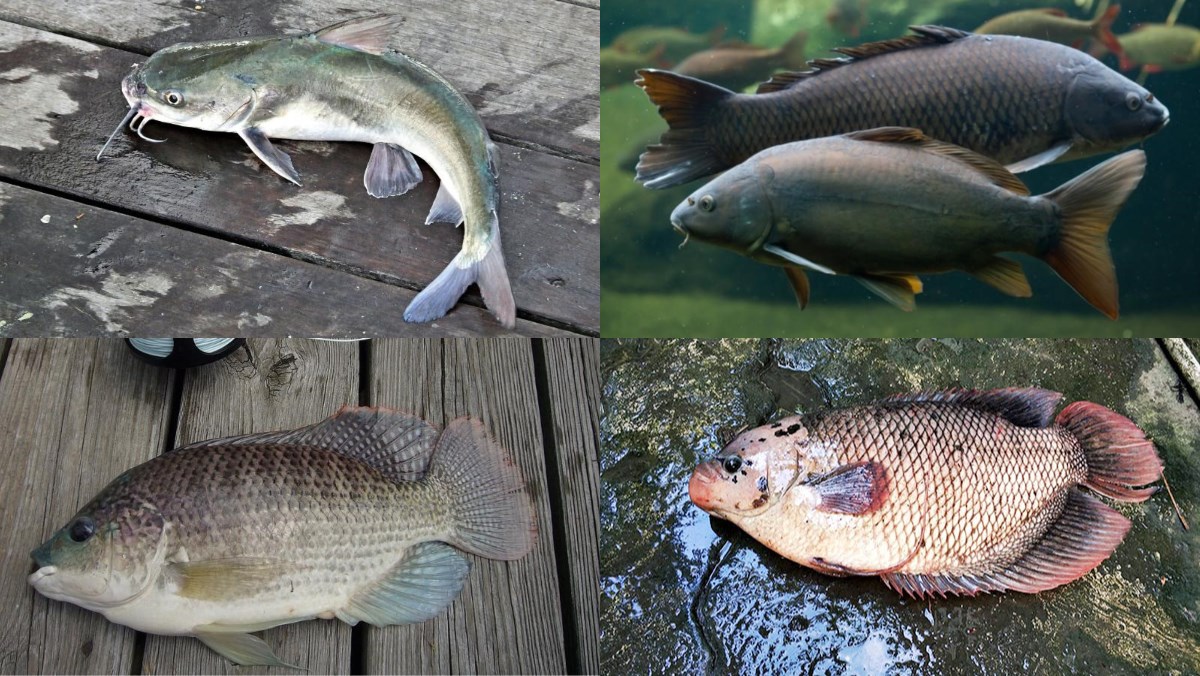
\5 Types of Fish Often Found with “Full Mouths” of Parasites — Why You Should Avoid Buying Them
Fish is widely considered one of the healthiest protein sources. However, not all fish sold in markets are equally safe. In some cases, consumers may unknowingly purchase fish that carry visible parasites, especially around the mouth, gills, or internal organs.
This does not mean all fish are dangerous. Parasites are a natural part of aquatic ecosystems. The real risk comes from poor handling, improper inspection, and incorrect preparation.
Below are five types of fish that are more commonly associated with visible parasites, particularly when sold cheaply or handled improperly—and why extra caution is necessary.
1. Mackerel (Especially Wild-Caught, Poorly Stored)
Mackerel are fast-swimming fish that often host parasites such as nematodes.
Warning signs:
-
Small worms near the mouth or gills
-
Discoloration around the jaw
-
Strong, unusual odor
Fresh, properly frozen mackerel is generally safe. Problems arise when fish are left unrefrigerated or sold long after capture.
2. Anchovies and Small Pelagic Fish
Small fish are more likely to ingest parasite larvae early in the food chain.
Risks include:
-
Visible parasites in the mouth cavity
-
Parasites embedded near the throat
-
Higher risk if eaten raw or lightly processed
These fish should never be eaten raw unless properly frozen according to food-safety standards.
3. Carp and Freshwater Fish
Freshwater species are more prone to flukes and tapeworm larvae, especially when sourced from polluted or unmanaged waters.
Red flags:
-
Parasites visible in the mouth or under the gills
-
Soft or damaged flesh
-
Unclear origin
Freshwater fish must be thoroughly cooked. Raw or undercooked consumption carries real risk.
4. Cheap, Large Predator Fish Sold Without Inspection
Fish such as tuna or bonito are generally safe when properly handled. However, low-priced specimens of unclear origin may carry parasites due to poor storage or delayed processing.
Signs to watch for:
-
Lesions around the mouth
-
Unusual movement in the jaw area
-
Cloudy eyes or dull skin
Price alone does not indicate danger—but cheap fish without proper inspection is a gamble.
5. Fish Sold with Mouths Forced Open or Hidden Damage
This is a market red flag, not a species issue.
Be cautious if:
-
The mouth appears unnaturally open
-
The seller avoids showing the head
-
The fish has been aggressively cleaned before sale
Parasites often attach near soft tissues around the mouth, which some sellers attempt to hide.
Important Truth About Fish Parasites
Let’s be clear:
-
Parasites in fish do not automatically make them unsafe
-
Most parasites are killed by proper cooking or freezing
-
The real danger is consuming raw or undercooked fish without proper preparation
Many food-safety authorities require fish intended for raw consumption to be deep-frozen first to eliminate parasites.
Why Cheap Fish Can Be Risky
Low prices often reflect:
-
Poor storage
-
Delayed transport
-
Lack of inspection
-
Unclear sourcing
Fish is highly perishable. When cold chains break, parasites and bacteria become a bigger concern.
How to Buy Fish Safely
Always check:
-
Clear, bright eyes
-
Firm flesh
-
Neutral, fresh smell
-
Clean mouth and gills
-
Proper refrigeration
Ask sellers:
-
When the fish was caught
-
Whether it was frozen
-
Where it was sourced
Transparency matters.