4 Types of Electric Kettles You Should Stop Using for Health and Safety Reasons
Electric kettles are one of the most commonly used kitchen appliances. They boil water quickly, seem harmless, and are often used every single day. But not all electric kettles are created equal.
While no electric kettle directly causes cancer, certain types may increase health risks over long-term use due to material degradation, contamination, or unsafe design. The real danger lies in repeated exposure, poor maintenance, and outdated manufacturing standards.
Here are four types of electric kettles you should seriously reconsider using, and why replacing them could be a smart move for long-term health.
1. Kettles with Exposed Metal Heating Plates and Heavy Scaling
Older electric kettles often have exposed heating elements at the bottom. Over time, these plates accumulate thick mineral scale, rust, and residue, especially in areas with hard water.
Potential concerns include:
-
Metal particles leaching into water
-
Burnt mineral residue
-
Bacterial buildup in cracks and scale
-
Altered taste and odor
While scale itself is not toxic, poorly maintained exposed plates can degrade over time, increasing contamination risk. Regular descaling is essential—but many users never do it.
2. Cheap Plastic Kettles of Unknown Quality
Low-cost plastic kettles made from unverified or low-grade plastics can release microplastics and chemical residues when repeatedly heated.
Key concerns:
-
Heat accelerates plastic breakdown
-
Hot water increases chemical leaching
-
Long-term exposure to microplastics is still under study
This does not mean all plastic kettles are dangerous. High-quality, BPA-free, food-grade plastics are generally considered safe. The problem lies with cheap, uncertified products that lack safety testing.
3. Kettles with Damaged Inner Coatings
Some kettles use non-stick or enamel coatings inside. When these coatings chip, crack, or peel, they can contaminate boiling water.
Risks include:
-
Ingesting coating particles
-
Exposure to degraded chemicals
-
Uneven heating and residue buildup
Once the inner surface is damaged, the kettle should be replaced immediately. Continuing to use it is a safety risk—not just a health concern.
4. Old, Overused Kettles with Electrical or Structural Damage
Kettles used for many years may develop:
-
Worn seals
-
Corroded metal
-
Loose wiring
-
Overheating bases
These issues can lead to:
-
Electrical hazards
-
Burn risks
-
Unstable temperature control
-
Incomplete shutoff
Old appliances often lack modern safety features such as automatic shutoff, temperature sensors, and insulation upgrades.
What About Cancer Claims? Let’s Be Clear
There is no scientific evidence proving that electric kettles directly cause cancer.
However, long-term exposure to contaminated water, degraded materials, or chemical leaching may increase overall health risk, which is why experts emphasize:
-
Reducing unnecessary exposure
-
Using certified materials
-
Replacing damaged appliances
Cancer develops from multiple factors, including genetics, lifestyle, environment, and long-term exposures—not from one appliance alone.
How to Choose a Safer Electric Kettle
To reduce risk:
-
Choose stainless steel (food-grade 304 or 316) or glass kettles
-
Avoid kettles with exposed damaged coatings
-
Look for certifications (CE, FDA, LFGB, BPA-free)
-
Descale regularly
-
Replace kettles every 3–5 years depending on use
Clean water matters as much as clean cookware.
Why People Ignore the Risk
Electric kettles feel harmless because:
-
They are familiar
-
They are used daily
-
Problems develop slowly
But health risks often come from small exposures repeated over time, not from dramatic events.
Final Thought
You don’t need to panic.
You don’t need to throw everything away.
But you should pay attention.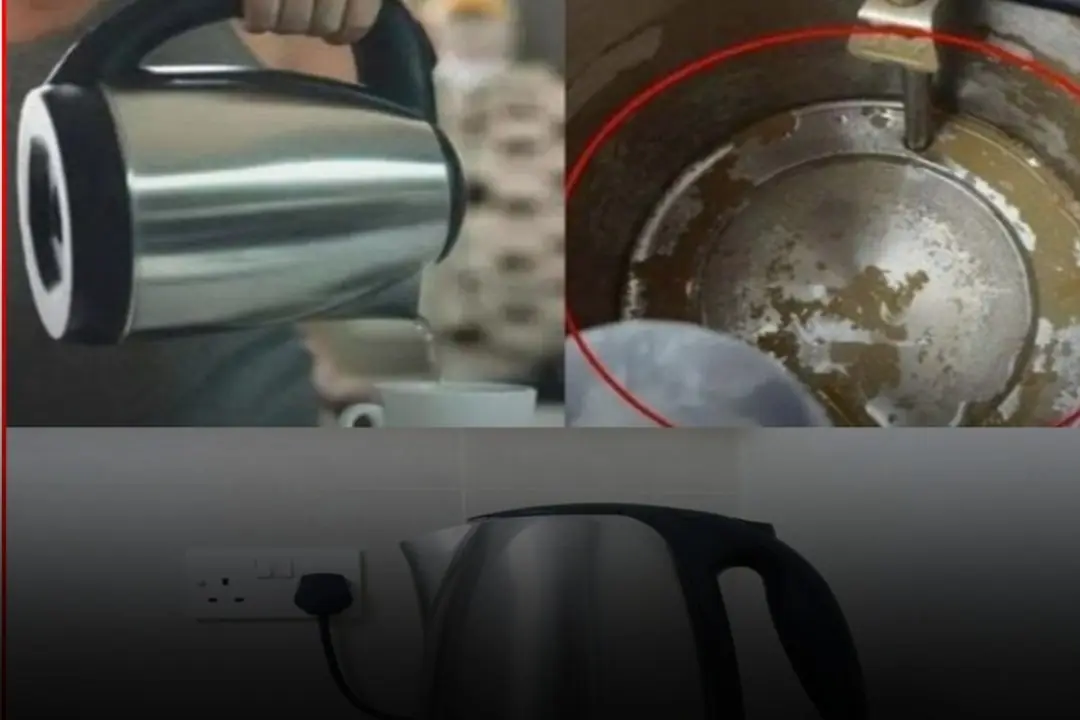
If a kettle is:
-
Old
-
Rusted
-
Cracked
-
Cheap and uncertified
Replacing it is a simple upgrade with long-term benefits.
Health protection is not about fear—it’s about informed choices.