Fatty Liver Disease: The Sign in Your Feet That May Signal Advanced Damage
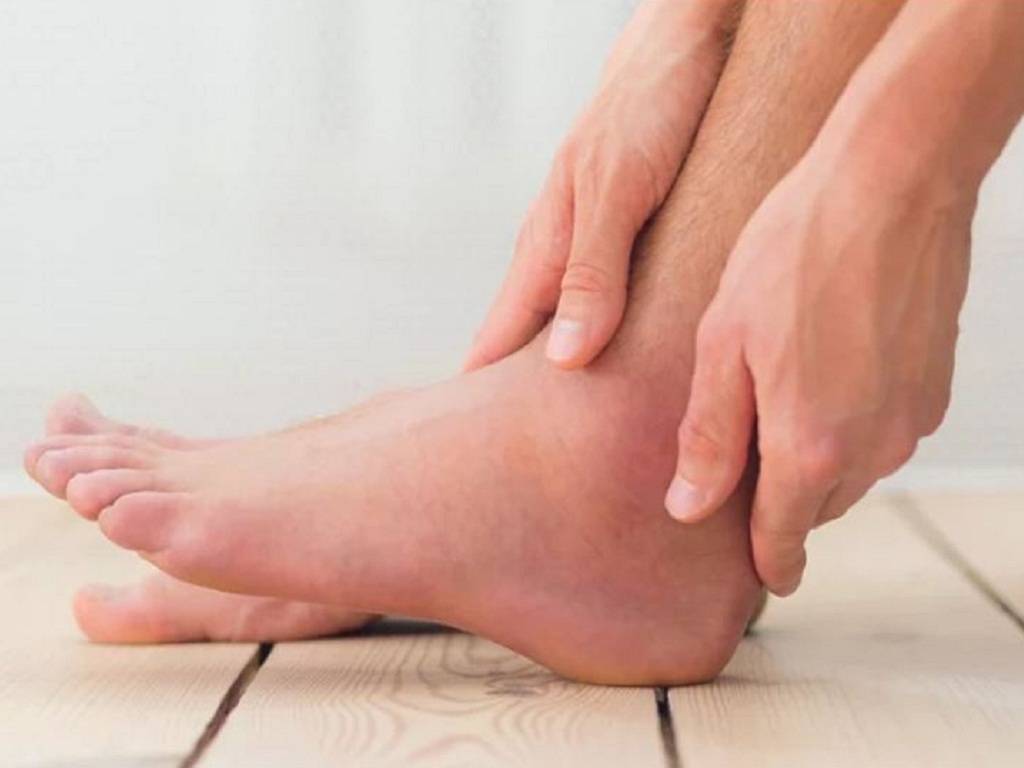
Fatty liver disease is often called a “silent condition” because it can progress for years without obvious symptoms. Many people discover it only through routine blood tests or imaging. However, when the disease reaches an advanced stage, certain physical signs may begin to appear far from the liver itself—sometimes in the feet and legs.
One of the most concerning signs is persistent swelling in the feet, ankles, or lower legs. While this symptom does not automatically mean the condition is irreversible, it can signal serious liver dysfunction that requires immediate medical attention.
Why the Feet Can Reflect Liver Health
The liver plays a crucial role in:
-
Regulating fluid balance
-
Producing proteins like albumin
-
Supporting blood circulation
-
Detoxifying the bloodstream
When the liver becomes severely damaged, especially in advanced fatty liver disease or cirrhosis, it can no longer perform these functions effectively. This can lead to fluid leaking from blood vessels and pooling in the lower extremities, a condition known as peripheral edema.
Because gravity pulls fluid downward, the feet and ankles are often the first visible areas affected.
What Swollen Feet May Indicate
Persistent swelling in the feet may suggest:
-
Low albumin levels, reducing the blood’s ability to retain fluid
-
Increased pressure in the liver’s blood vessels (portal hypertension)
-
Impaired circulation caused by liver scarring
-
Advanced inflammation or fibrosis
When swelling becomes chronic and does not improve with rest or elevation, it may indicate that fatty liver disease has progressed beyond its early, reversible stages.
Does This Mean Fatty Liver Disease Is Irreversible?
Not always—but it can be a serious warning sign.
Fatty liver disease exists on a spectrum:
-
Simple fatty liver (steatosis) – often reversible
-
Inflammatory fatty liver (NASH) – partially reversible if caught early
-
Fibrosis – damage may be slowed, but not fully reversed
-
Cirrhosis – scarring is generally irreversible
Swelling in the feet is more commonly associated with late-stage disease, particularly cirrhosis. At this point, treatment focuses on slowing progression, managing complications, and preventing liver failure.
Other Foot-Related Signs to Watch For
In addition to swelling, advanced liver disease may cause:
-
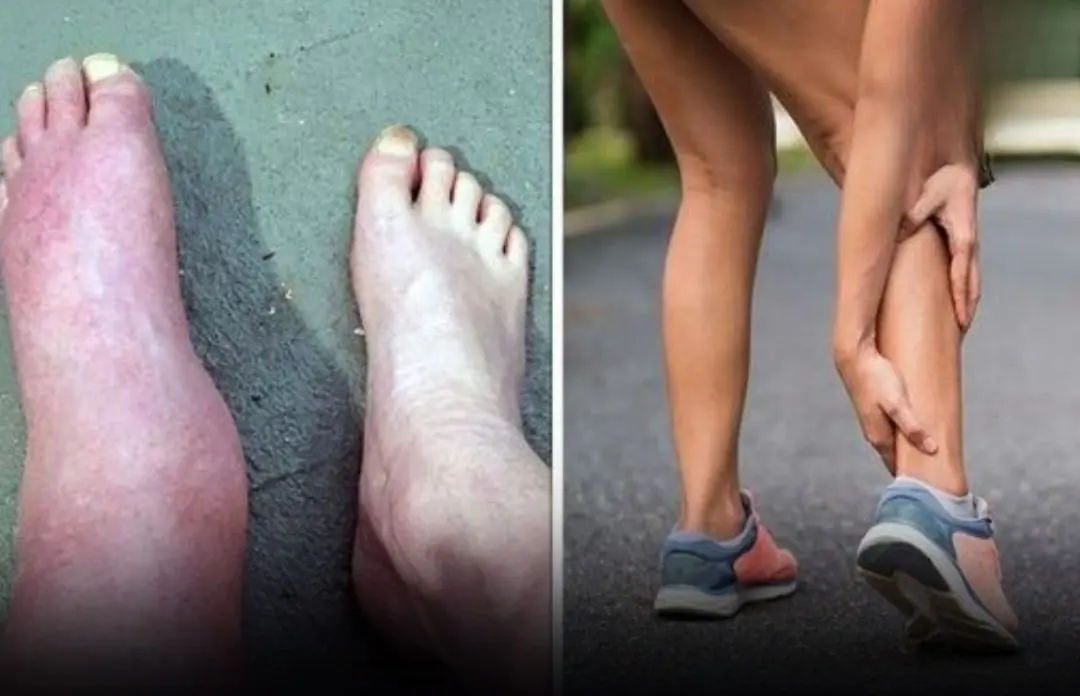
Changes in skin color (pale, bluish, or reddish tones)
-
Cold feet due to poor circulation
-
Muscle cramps or weakness
-
Delayed wound healing
These signs indicate systemic effects of liver dysfunction, not just localized foot problems.
Why Many People Miss This Sign
Swollen feet are often blamed on:
-
Long hours of standing
-
Aging
-
Heat or dehydration
-
Poor circulation
Because the symptom seems unrelated to the liver, many people ignore it until damage is extensive. This delay is one of the reasons fatty liver disease can progress silently for years.
What To Do If You Notice Persistent Swelling
If foot or ankle swelling:
-
Lasts more than a few days
-
Appears without injury
-
Worsens over time
-
Occurs alongside fatigue, jaundice, or abdominal swelling
👉 Seek medical evaluation immediately
Doctors may order:
-
Liver function tests
-
Ultrasound or FibroScan
-
Blood protein levels
-
Imaging to assess scarring
Early intervention can still make a significant difference, even in advanced stages.
Can Progression Be Slowed?
Yes. Even when damage is advanced, steps can help:
-
Eliminating alcohol completely
-
Managing weight and blood sugar
-
Reducing sodium intake
-
Following a liver-friendly diet
-
Treating underlying metabolic conditions
-
Monitoring with specialists
While scarring may not fully reverse, quality of life and survival can improve significantly with proper care.