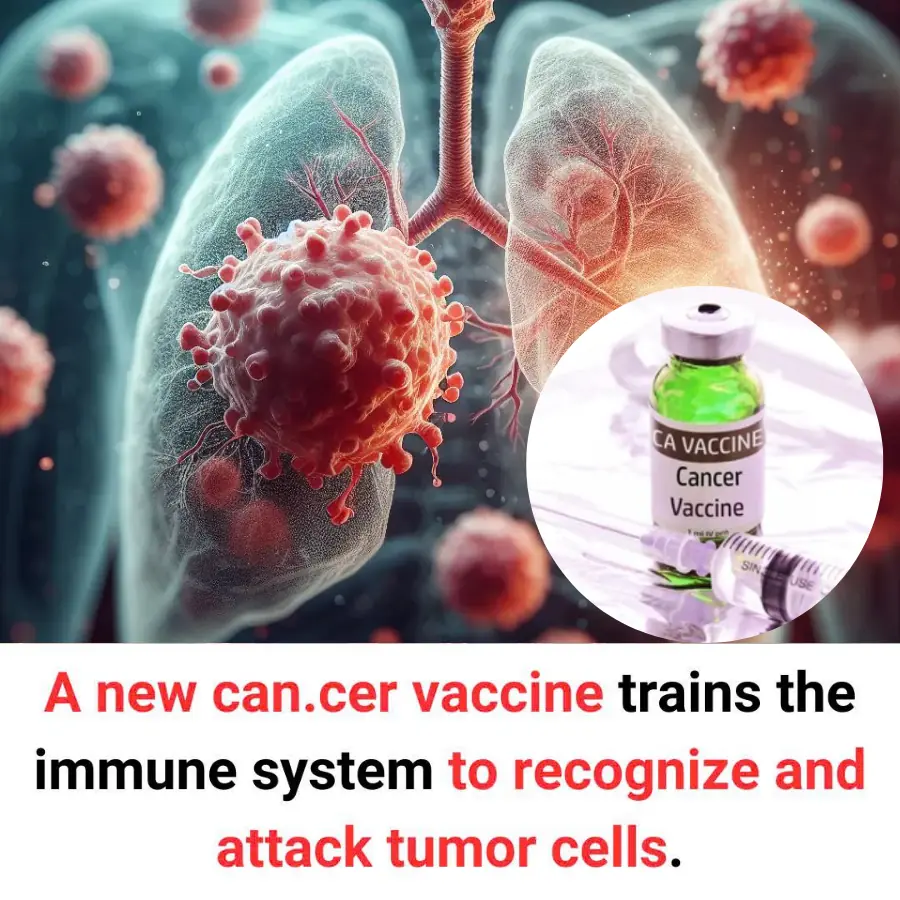
A new cancer vaccine is showing promise by training the immune system to recognize and attack tumor cells. This breakthrough approach aims to harness the body’s natural defense mechanisms to fight cancer more effectively. Here’s how it works and why it could be a game-changer in cancer treatment:
How the Cancer Vaccine Works
-
Targeting Tumor Antigens
Cancer cells often present unique markers known as tumor antigens on their surfaces. These antigens are not typically found on normal, healthy cells. The vaccine works by introducing these antigens to the body, either directly or through a special delivery system, to train immune cells (specifically T-cells) to recognize them. -
Activating the Immune Response
Once the immune system has been trained, the T-cells can actively seek out and destroy cancer cells that display these antigens. This process helps the immune system target tumors more precisely, unlike traditional treatments like chemotherapy or radiation, which can also damage healthy cells. -
Enhancing Immune Memory
The vaccine can also help the immune system remember the cancer cells. If the tumor returns or spreads, the immune system will be better equipped to fight it off quickly, much like how vaccines against viruses work by preparing the immune system for future exposure.
Advantages of the New Cancer Vaccine
-
Reduced Side Effects
Unlike conventional cancer treatments that can harm healthy tissues, this approach focuses on the tumor cells specifically, potentially minimizing side effects and offering a more targeted therapy. -
Personalized Medicine
Some cancer vaccines can be personalized to a patient’s specific tumor profile, making the treatment even more effective. Personalized vaccines can be created based on the unique genetic makeup of the patient’s cancer cells, ensuring that the immune system is trained to recognize the exact tumor. -
Long-Term Effectiveness
By inducing an immune memory, the vaccine may offer long-term protection against cancer recurrence, similar to how vaccines work to prevent infections. This could lead to sustained remission in cancer patients.
Current Status and Research
-
Clinical Trials: Several cancer vaccines are currently in clinical trials, targeting different types of cancer, including melanoma, lung cancer, and breast cancer. Early results have shown promise in boosting the immune system’s ability to target cancer cells.
-
Challenges: Developing a universal cancer vaccine is challenging because cancer is incredibly diverse, and each type of tumor has different antigens. Researchers are working to find ways to create broad-spectrum vaccines that can work across multiple cancer types.
Conclusion
This new cancer vaccine represents an exciting step forward in immunotherapy. By training the immune system to recognize and destroy cancer cells, it has the potential to provide more effective, personalized treatment with fewer side effects. While still in development, this approach could revolutionize cancer treatment in the near future, offering a more precise and long-lasting solution to combat the disease.