Why Urinating After Sex May Help Support Urinary Health
The image highlights a question many people have heard but may never have fully understood: Why do people recommend urinating after sex, and what does this habit actually do for the body?
The short answer is that urinating after sexual activity may help flush some bacteria away from the urethra, potentially reducing the chance of a urinary tract infection (UTI) in some people. However, it is not a guaranteed way to prevent infection, and it does not treat every type of discomfort that may occur after intimacy.
The image also shows signs commonly associated with a vaginal yeast infection. These conditions can cause overlapping symptoms, but they are not the same. Understanding the difference is important—and it is where the full explanation becomes much more useful.
What the Image Is Really Showing
The illustration is labeled “Signs of a Vaginal Yeast Infection,” but the accompanying text focuses on urinating after sex and urinary tract infections. These are related topics in intimate health, yet they should not be treated as one condition.
A urinary tract infection usually involves bacteria entering the urinary system, often affecting the bladder. A vaginal yeast infection involves an overgrowth of yeast, commonly Candida, in the vaginal area. Both can cause discomfort or burning, but the causes and treatments are different.
The most important point is this: urinating after sex may be a reasonable preventive habit for urinary health, but it is not a treatment for a yeast infection, and it cannot guarantee that a UTI will never occur. The article below keeps that distinction clear while explaining the advice, the symptoms, and when medical care is needed.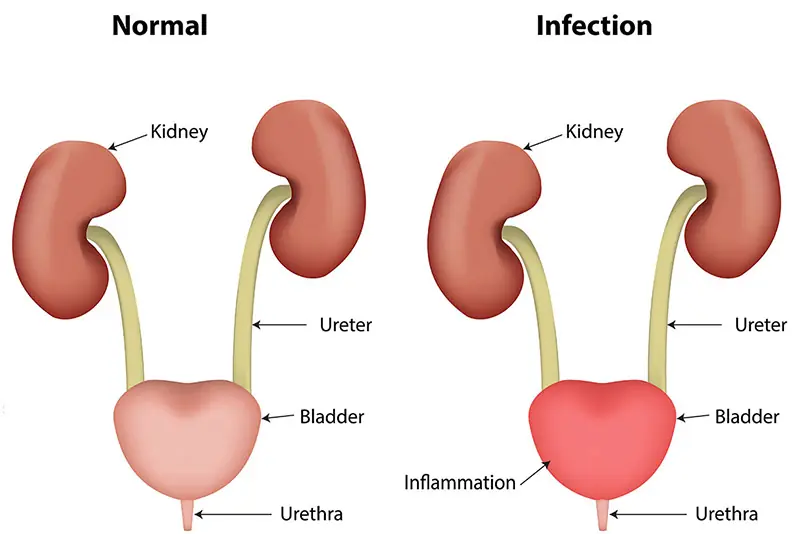
Why Urinating After Sex May Help Support Urinary Health — What Doctors Want You to Understand
Part 1: The Small Habit That May Make a Difference
There are moments in intimate life when a simple question can feel surprisingly difficult to ask. One of them is whether a person should go to the bathroom after sex. Some have heard the advice from a doctor, others from a friend, and many have seen it repeated online. Yet the reason behind it is often explained in only a few words: “It helps prevent infection.”
That answer is not entirely wrong, but it leaves out the details that matter.
Why would urinating after sex affect the urinary tract? Does it really remove bacteria? Is it necessary every time? Does the advice apply to men as well as women? And what if someone experiences burning, itching, or unusual discharge afterward—does that automatically mean a urinary tract infection?
The answers are more nuanced than many short health posts suggest. Urinating after sex is a reasonable, low-risk habit that may help reduce the chance of certain urinary infections, especially for people who are prone to them. But it is not a magic shield, and it does not prevent every infection involving the genital area.
The distinction becomes especially important when the symptoms resemble those of a vaginal yeast infection, as shown in the illustration accompanying this topic. A yeast infection can cause itching, soreness, discomfort during sex, and burning when urine touches irritated skin. A urinary tract infection can also cause burning, but it usually involves the urinary system itself.
These conditions can feel similar, yet they require different approaches. Confusing them may lead someone to use the wrong treatment, delay appropriate care, or worry unnecessarily.
To understand the advice about urinating after sex, it helps to begin with the body’s basic anatomy.
The urinary system is made up of the kidneys, ureters, bladder, and urethra. The kidneys filter waste and excess fluid from the blood to produce urine. The urine travels through two narrow tubes called ureters and collects in the bladder. When a person urinates, the bladder contracts and urine leaves the body through the urethra.
The urethra is the final passage through which urine exits. It is also the route through which bacteria can enter the urinary tract and, in some cases, travel upward toward the bladder.
This is where sexual activity becomes relevant.
During sex, the movement and contact of bodies, hands, genital skin, and sometimes sexual devices can move bacteria that normally live on the skin or near the anus toward the urethral opening. The presence of bacteria does not automatically mean an infection will develop. The body has several natural defenses, and most exposure does not result in illness.
However, when bacteria enter the urethra and multiply in the urinary tract, they can cause a urinary tract infection, commonly called a UTI.
For some people, urinating after sex may help flush away a portion of bacteria that have recently entered or reached the urethral opening. The idea is simple: urine flows outward through the same passage bacteria may have entered, potentially helping clear some of them before they travel farther.
That is the practical reason behind the familiar advice.
But the word “may” matters. Urination cannot guarantee that bacteria will be removed, and it cannot reliably eliminate bacteria that have already reached the bladder or attached to urinary tract tissues. It should be understood as one possible preventive habit—not a replacement for medical care, treatment, or other measures that may be needed.
The next question is why this advice is often emphasized for women.
Part 2: Why Sexual Activity Can Increase the Chance of a UTI
Women are generally more likely than men to develop urinary tract infections. One important reason is anatomical: the female urethra is relatively short, and its opening is located close to the vaginal and anal areas.
This arrangement means bacteria can reach the bladder more easily than they can in people with a longer urethra.
Sexual activity can increase the movement of bacteria around the urethral opening. The bacteria may come from the skin, the area around the anus, fingers, a partner’s genital skin, or sexual devices. This does not mean sex is unclean or that a partner has done something wrong. Many of the bacteria involved are ordinary organisms that naturally live on or around the body.