A clinician may ask about the location of discomfort, urinary frequency, urgency, discharge, itching, recent medication use, and other symptoms. Depending on the situation, a urine test or vaginal examination may be needed.
Does urinating after sex prevent a yeast infection?
No reliable evidence shows that urinating after sex prevents vaginal yeast infections.
The advice about post-sex urination is directed mainly toward urinary tract health. It does not remove yeast from the vagina, restore the vaginal microbial balance, or treat inflammation.
A yeast infection is not simply a matter of bacteria entering the urethra. It involves yeast overgrowth and the body’s response to it.
Therefore, someone who has persistent itching, soreness, or unusual discharge should not rely on urinating after sex as the solution.
They may need an appropriate antifungal treatment, but the correct treatment depends on whether the symptoms are actually caused by Candida and whether the infection is uncomplicated or more complex.
Is a yeast infection always caused by sex?
No. Vaginal yeast infections are not usually considered sexually transmitted infections, and many occur in people who are not sexually active.
Sex may sometimes contribute to irritation or make symptoms more noticeable, but it is not the only cause.
Factors that can be associated with yeast infections include recent antibiotic use, pregnancy, diabetes that is not well controlled, and certain conditions or medications that affect the immune system. However, many people who develop a yeast infection have no obvious trigger.
It is important not to blame oneself or a partner simply because symptoms appear after intimacy.
The timing may be relevant, but timing alone does not establish the cause.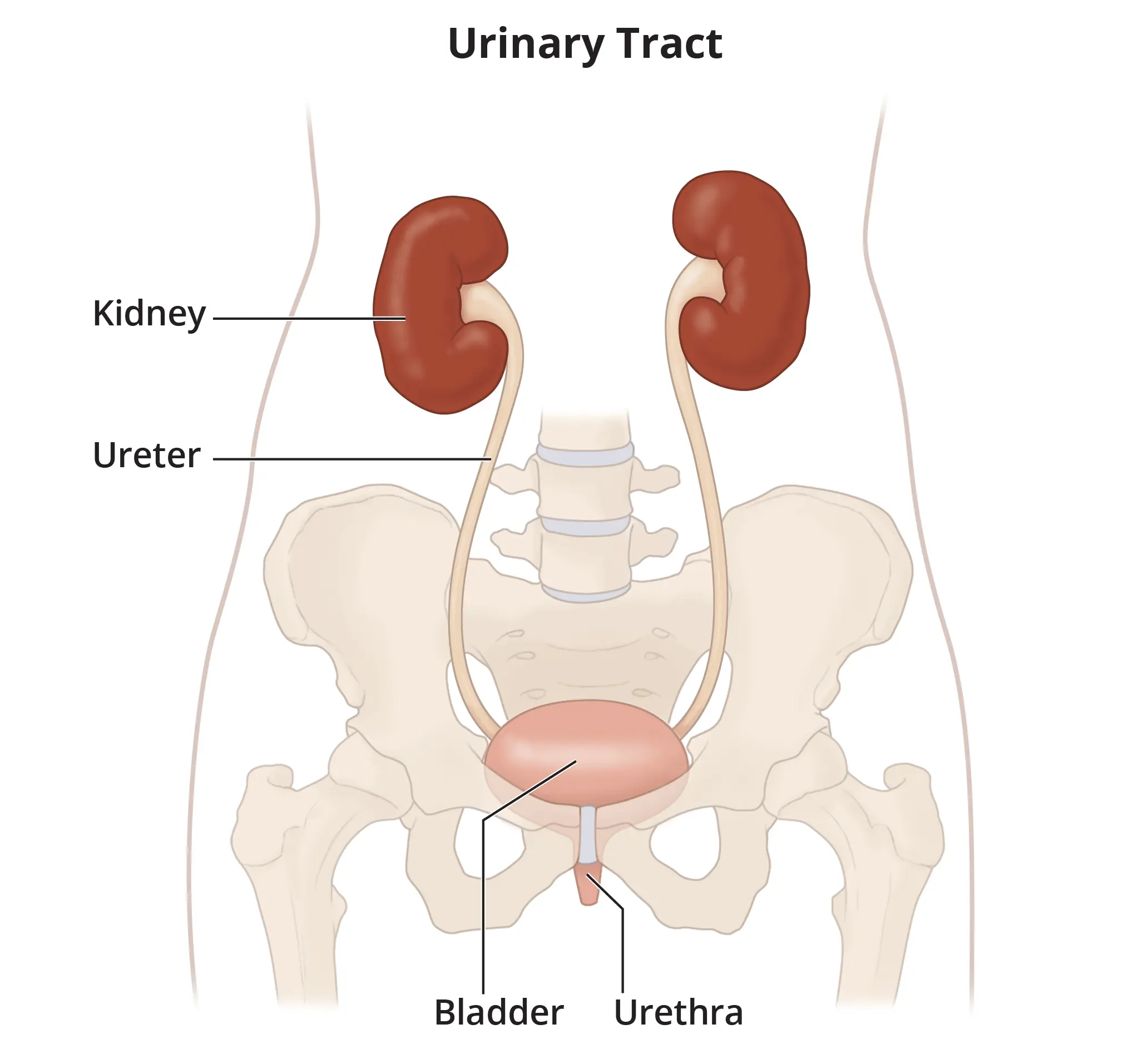
Part 4: What Should You Do After Sex?
The advice about urinating after sex is simple, but people sometimes turn it into a complicated routine involving special products, excessive washing, or strict timing.
In reality, the best approach is usually gentle and uncomplicated.
1. Urinate when you can
If you feel the urge to urinate after sex, go to the bathroom rather than deliberately holding it for a long time.
For people who experience UTIs repeatedly after sexual activity, making post-sex urination part of their routine may be a practical step to discuss with a healthcare professional.
There is no need to force urination if the bladder is empty. Straining or repeatedly trying to produce urine is not helpful.
2. Drink enough water throughout the day
Adequate fluid intake helps the body produce urine regularly. This supports normal urinary function and may help reduce the risk of UTIs in some people, particularly those who usually drink very little.
However, drinking excessive amounts of water immediately after sex is not necessary. There is no need to rapidly consume several glasses in an attempt to “flush out” an infection.
A better approach is to drink water regularly and pay attention to thirst, individual medical advice, and any conditions that require fluid restriction.
People with certain heart or kidney conditions may have specific fluid recommendations from their healthcare provider. They should not increase fluid intake dramatically without checking those instructions.
3. Keep intimate hygiene gentle
The genital area does not need aggressive cleaning after sex.
For external hygiene, gentle washing with water is usually sufficient. If a person uses a cleanser, it should be mild and should not cause irritation. Strongly scented products, deodorizing sprays, and harsh soaps can irritate sensitive skin.
The vagina is self-cleaning. Washing inside it or using a douche can disturb the natural environment and may contribute to irritation or changes in vaginal bacteria.
It is also important to distinguish the vagina from the vulva. The vagina is the internal canal; the vulva is the external genital area. Gentle external cleaning is different from attempting to wash inside the vagina.
4. Avoid unnecessary friction and irritation
Friction during sex can sometimes cause temporary soreness, particularly when there is not enough lubrication or when the tissues are already sensitive.
If discomfort occurs, it may help to slow down, communicate with a partner, or use a suitable lubricant. A lubricant should be chosen according to personal needs and compatibility with condoms or other contraceptive products.
Pain should not be treated as something a person must simply tolerate.
If discomfort happens repeatedly, becomes severe, or continues after sexual activity, it is worth seeking medical advice rather than assuming it is normal.
5. Consider whether contraception may be contributing
Some contraceptive methods, particularly those involving spermicides, can be associated with a higher risk of UTIs in certain people.
Spermicides may affect the normal bacterial environment around the genital area. Diaphragms used with spermicide have also been associated with increased UTI risk.
If infections repeatedly occur after sex, a healthcare professional may review the person’s contraceptive method and discuss whether another option would be appropriate.
This does not mean that someone should stop using contraception without a plan. The goal is to identify a method that provides suitable protection while reducing avoidable irritation or infection risk.
6. Do not use antibiotics just in case
A common mistake is to take leftover antibiotics whenever urinary discomfort appears.
This is not a safe approach.
Different conditions can cause similar symptoms, and antibiotics do not treat vaginal yeast infections. Unnecessary antibiotic use can cause side effects and contribute to antibiotic resistance. It may also disturb normal microbial balance and, in some people, increase the likelihood of yeast overgrowth.
If UTIs occur frequently after sex, a clinician may sometimes recommend a specific preventive antibiotic strategy. That is different from taking random leftover medication.
The choice of medicine, dose, and timing should be based on the person’s medical history and the pattern of infections.
Part 5: The Difference Between a UTI and a Yeast Infection
The image can be misleading if viewers assume that every symptom shown belongs to one condition. In reality, urinary tract infections and vaginal yeast infections affect different areas and may require different treatment.
Understanding the differences can help people know when to seek testing.
A urinary tract infection
A UTI often causes symptoms related to urination itself.