When people hear the word stroke, they often picture an older adult. But stroke can happen at almost any age, including in teenagers, people in their 20s, and otherwise healthy young adults.
Although stroke is less common in younger people, it is not impossible. In fact, younger patients may sometimes face an additional challenge: their symptoms may not immediately be recognized as a stroke.
A sudden headache might be blamed on stress. Numbness may be attributed to sleeping in an awkward position. Dizziness may be dismissed as dehydration. Speech problems may be mistaken for fatigue or anxiety.
That can be dangerous because some types of stroke require urgent treatment.
The good news is that recognizing sudden neurological changes can help someone get medical attention faster.
Here are 5 warning signs young people should know.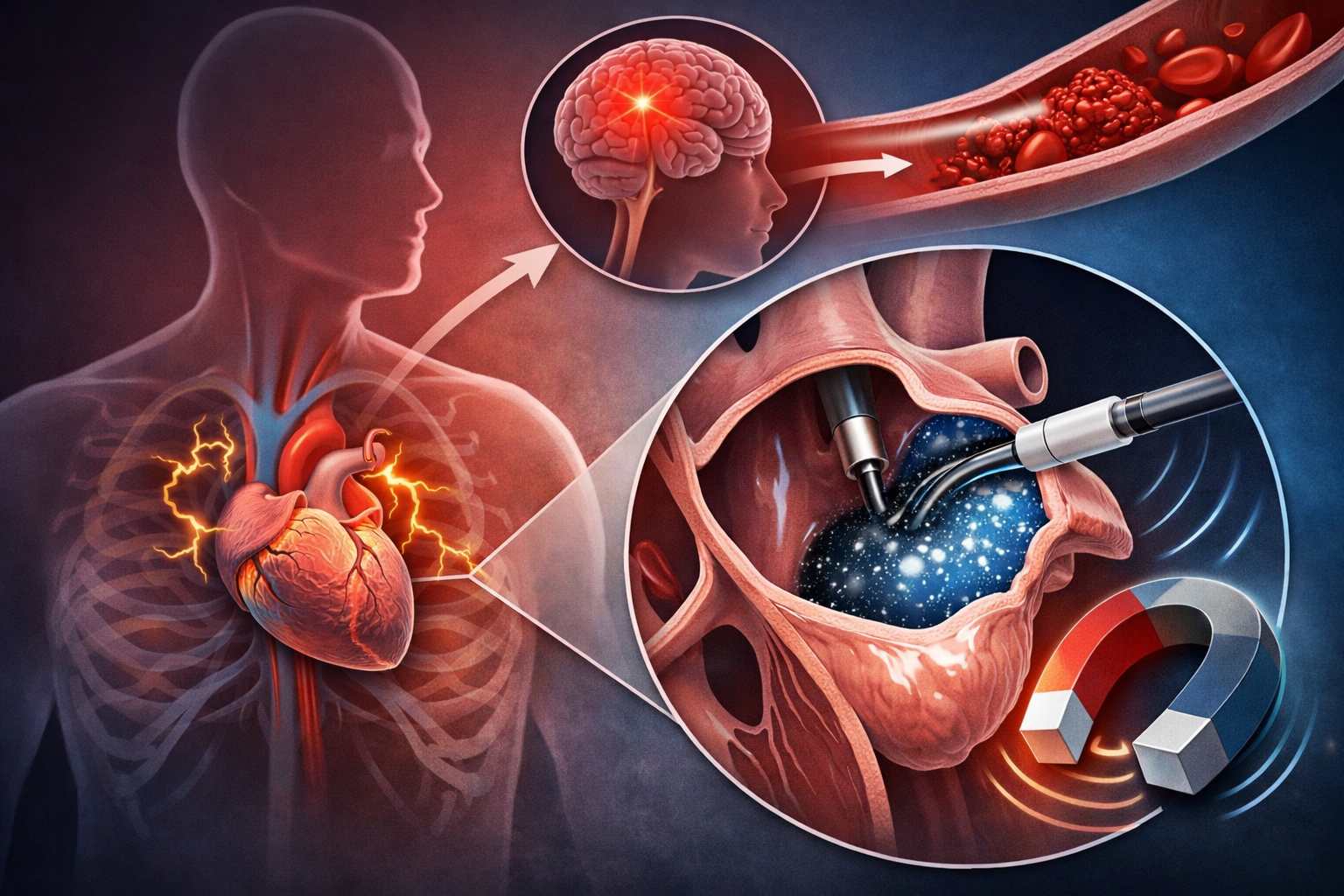
1. Sudden Weakness or Numbness
One of the most important warning signs is sudden weakness or numbness, particularly when it affects one side of the body.
You might suddenly notice that one arm feels unusually heavy or difficult to move.
A leg may become weak or unstable.
The face may feel numb or appear uneven when smiling.
The symptom may develop within seconds or minutes rather than gradually over several hours.
For example, someone may suddenly find that they cannot raise one arm normally or that one side of their face feels different.
This is not something to simply "sleep off."
There are many possible causes of numbness or weakness, including nerve compression, migraine, low blood sugar, seizures, and other neurological conditions. But because stroke is among the serious possibilities, sudden unexplained weakness or numbness requires immediate medical assessment.
2. Sudden Trouble Speaking or Understanding
A stroke can interfere with the parts of the brain responsible for language.
A person may suddenly:
-
Slur their words
-
Have difficulty finding the right words
-
Speak in an unusual or confused way
-
Struggle to understand what others are saying
-
Be unable to form understandable sentences
Sometimes the person knows exactly what they want to say but cannot produce the words properly.
In other cases, their speech may sound normal but they may have difficulty understanding language.
This can be especially easy to overlook in younger people.
Someone might assume they are simply tired, nervous, distracted, or intoxicated.
But a sudden change in speech or comprehension is not normal, regardless of age.
If it appears abruptly, emergency medical evaluation is necessary.
3. A Sudden, Severe or Unusual Headache
Headaches are extremely common among young adults.
Most are caused by relatively harmless conditions such as tension, migraine, dehydration, lack of sleep, or illness.
But a sudden and unusually severe headache can sometimes indicate a serious neurological problem.
A particularly concerning pattern is a headache that reaches extreme intensity very quickly.
Some people describe this as the worst headache they have ever experienced.
A severe headache may be especially concerning when accompanied by:
-
Vomiting
-
Neck stiffness
-
Confusion
-
Loss of consciousness
-
Weakness
-
Numbness
-
Vision changes
-
Difficulty speaking
A sudden severe headache can occur with certain types of stroke, including bleeding in or around the brain.
It can also occur with other emergencies, such as a ruptured brain aneurysm.
Do not assume that being young makes a sudden severe headache harmless.
4. Sudden Vision Problems
A stroke can affect the areas of the brain responsible for vision.
Someone may suddenly experience:
-
Blurred vision
-
Double vision
-
Loss of vision in one eye
-
Loss of part of their visual field
-
Difficulty seeing objects clearly
The change may occur without any eye pain.
Because vision problems are sometimes attributed to screens, contact lenses, migraines, or eye strain, a young person may delay seeking help.
But sudden unexplained vision changes should be treated seriously, particularly when they occur together with weakness, numbness, dizziness, or speech problems.
Even if the vision returns to normal after a short period, medical evaluation is still important.
A temporary episode may sometimes represent a transient ischemic attack (TIA), which can serve as a warning of a future stroke.
5. Sudden Severe Dizziness or Loss of Coordination
Sudden dizziness can have many causes.
Dehydration, inner-ear problems, low blood pressure, anxiety, medication effects, and migraine can all make someone feel dizzy.
But stroke can also affect the parts of the brain responsible for balance and coordination.
A person may suddenly:
-
Have difficulty walking
-
Stumble without explanation
-
Lose their balance
-
Feel as though the room is spinning
-
Become unable to coordinate their movements
-
Develop severe dizziness together with vomiting
The combination of sudden dizziness and neurological symptoms is particularly concerning.
For example, dizziness accompanied by double vision, weakness, numbness, difficulty speaking, or inability to walk normally should not simply be attributed to dehydration.
Why Can Stroke Happen to Young People?
Stroke in younger adults can have different causes from stroke in older adults.
Some young people have traditional cardiovascular risk factors such as:
-
High blood pressure
-
Diabetes
-
High cholesterol
-
Obesity
-
Smoking
-
Physical inactivity
But other causes can be particularly important in younger patients.
These may include certain heart conditions, blood-clotting disorders, autoimmune diseases, blood-vessel abnormalities, infections, and inherited conditions.
Some strokes can also occur because of a tear in an artery, known as arterial dissection.
This can sometimes happen spontaneously or after certain types of trauma or neck injury.
The important point is that a young person's stroke may not have the same risk profile as an older person's stroke.
High Blood Pressure Can Affect Young Adults Too
High blood pressure is one of the most important risk factors for stroke.
Many young adults assume hypertension is something that only happens later in life.
It isn't.
Blood pressure can be elevated without causing obvious symptoms, which is why checking it periodically is important.
Long-term uncontrolled hypertension can damage blood vessels and increase the risk of both ischemic and hemorrhagic stroke.
Young adults should not assume that feeling healthy means their blood pressure is normal.
Smoking and Nicotine Matter
Smoking damages blood vessels and is associated with increased stroke risk.
Tobacco can contribute to blood-vessel injury, inflammation, and cardiovascular disease.
Young people who smoke may underestimate the long-term effects because they feel healthy now.
Quitting smoking is one of the most important steps a person can take to reduce cardiovascular risk.
The same principle applies to avoiding exposure to secondhand smoke.
Recreational Drugs Can Increase Risk
Certain recreational drugs can significantly affect blood pressure, heart rhythm, blood vessels, and the risk of bleeding or clot formation.
Some stimulants can cause dramatic increases in blood pressure and cardiovascular stress.
Drug exposure should therefore be considered when assessing stroke risk in younger adults.
If someone develops sudden neurological symptoms after using a recreational substance, they should receive emergency medical attention and be honest with healthcare professionals about what they took.
That information can be medically important.
Pregnancy and the Postpartum Period
Pregnancy and the period after giving birth involve major changes in the cardiovascular and blood-clotting systems.
Although stroke during pregnancy is uncommon, certain pregnancy-related conditions can increase risk.
These can include severe high blood pressure and certain clotting complications.
A new severe headache, vision changes, weakness, confusion, seizures, or other neurological symptoms during pregnancy or after delivery should receive urgent medical attention.
Migraine Can Make Things Confusing
Young people, particularly those with migraine, may experience neurological symptoms that resemble stroke.
Migraine with aura can cause temporary:
-
Visual disturbances
-
Numbness or tingling
-
Speech difficulties
-
Weakness in some cases
The challenge is that it can sometimes be difficult to distinguish migraine-related symptoms from a stroke without medical evaluation.
If symptoms are new, dramatically different from previous migraines, unusually severe, or sudden, don't assume they are "just another migraine."
Seek medical assessment.
What About a TIA?
A transient ischemic attack occurs when blood flow to part of the brain is temporarily disrupted.
The symptoms can look like a stroke but may disappear completely within minutes or hours.
That can create a dangerous false sense of security.
A person may think:
"It went away, so I'm fine."
But a TIA can be a warning that a more serious stroke could occur.
If sudden neurological symptoms disappear, medical evaluation is still important.
The temporary nature of the symptoms does not make them harmless.
Why Young People May Delay Getting Help
There is a psychological barrier that can be especially strong among younger adults:
"I'm too young to have a stroke."
That assumption can cause delays.
A young person may try to sleep off a severe headache.
They may wait for numbness to disappear.
They may blame dizziness on dehydration.
They may assume speech problems are caused by stress.
But emergency conditions do not become less urgent because someone is young.
When neurological symptoms appear suddenly, the safest approach is to seek medical evaluation rather than trying to diagnose the cause at home.
What to Do When Symptoms Appear
If someone suddenly develops weakness, numbness, speech problems, vision changes, severe dizziness, or an unusually severe headache, seek emergency medical care immediately.
Don't wait several hours to see whether the symptoms improve.
Don't drive yourself if you are experiencing significant neurological symptoms.
If possible, note when the symptoms began or the last time the person was known to be completely normal.
That information can be extremely important to medical professionals when determining treatment options.
Don't Ignore Symptoms Because They Improve
One of the most dangerous mistakes is assuming that a symptom is harmless simply because it disappears.
A temporary episode of weakness, speech difficulty, vision loss, or numbness may represent a TIA.
Even if the person feels completely normal afterward, they should be evaluated promptly.
Early assessment can help doctors identify potential causes and reduce the risk of a future stroke.
How Young Adults Can Reduce Their Risk
Not every stroke can be prevented, particularly when genetic or structural conditions are involved.
But many important risk factors can be addressed.
Know Your Blood Pressure
Have your blood pressure checked regularly.
If it is consistently elevated, discuss it with a healthcare professional.
Don't Smoke
Quitting smoking can substantially improve cardiovascular health.
Stay Active
Regular physical activity supports healthy blood pressure, weight, blood sugar, and cholesterol levels.
Eat a Balanced Diet
Emphasize vegetables, fruits, legumes, whole grains, nuts, and other minimally processed foods while limiting excessive sodium, added sugars, and highly processed foods.
Manage Diabetes
If you have diabetes, keeping blood glucose within your recommended range can reduce vascular complications.
Know Your Cholesterol
High cholesterol can contribute to the buildup of plaque in arteries.
Be Careful With Recreational Drugs
Certain substances can sharply increase cardiovascular and neurological risk.
Know Your Family History
If close relatives have experienced strokes at unusually young ages or have known inherited conditions, discuss your family history with a healthcare professional.
The Bottom Line
A stroke can happen at any age, even though the risk generally increases with age.
For young people, five warning signs deserve particular attention:
Sudden weakness or numbness, sudden difficulty speaking or understanding, a sudden severe or unusual headache, sudden vision problems, and sudden severe dizziness or loss of coordination.
These symptoms can have other causes, including migraine, dehydration, seizures, or inner-ear problems.
But when they appear suddenly, it is not safe to assume the cause.
Don't let your age convince you that a serious neurological emergency is impossible.
If a sudden neurological change occurs, seek emergency medical attention immediately. Treatment options for some types of stroke are time-sensitive, and getting evaluated quickly can make a major difference.
Being young is a reason to feel fortunate - not a reason to ignore an unusual symptom.