It can be tempting to think:
“It went away, so everything is fine.”
That can be dangerous.
A transient ischemic attack (TIA) causes temporary neurological symptoms because of a temporary disruption of blood flow to the brain.
Although the symptoms may disappear, a TIA can be an important warning that the person is at increased risk of a future stroke.
A person experiencing possible TIA symptoms needs urgent medical assessment rather than waiting for another episode.
Remember FAST
One of the easiest ways to remember several major stroke symptoms is FAST:
F — Face
Does one side of the face droop when the person smiles?
A — Arms
Can the person raise both arms normally, or does one arm drift downward?
S — Speech
Is speech suddenly slurred, confused or difficult to understand?
T — Time
If any of these signs appear suddenly, time is critical. Seek emergency medical help immediately.
FAST doesn't capture every possible stroke symptom, but it is a useful way to recognize several of the most common ones quickly.
Why Time Matters So Much
The brain depends on a continuous supply of oxygen and nutrients delivered through the bloodstream.
When a blood vessel supplying part of the brain becomes blocked, brain tissue can become damaged.
In another type of stroke, a blood vessel can rupture and cause bleeding inside or around the brain.
Some stroke treatments are highly time-dependent.
For eligible patients with certain ischemic strokes, treatments designed to restore blood flow may be possible within specific time windows. In selected cases, mechanical removal of a clot may also be considered.
The sooner a person is evaluated, the sooner doctors can determine whether emergency treatment is appropriate.
That is why waiting at home to see whether symptoms improve can be dangerous.
What If the Symptoms Disappear?
This is where many people make a serious mistake.
They may think:
“It only lasted ten minutes, so it couldn't have been a stroke.”
But temporary symptoms can be a TIA or another serious condition.
Even if the person feels completely normal again, they should receive urgent medical evaluation.
A TIA can provide an opportunity to identify and treat risk factors before a major stroke occurs.
Doctors may investigate issues such as blood pressure, heart rhythm, blood vessels and other potential sources of clot formation.
Who Is at Greater Risk?
Stroke can happen to anyone, but certain factors increase the risk.
These include:
-
High blood pressure
-
Smoking
-
Diabetes
-
High cholesterol
-
Atrial fibrillation and certain other heart conditions
-
Previous stroke or TIA
-
Certain blood-clotting disorders
-
Excessive alcohol use
-
Physical inactivity
-
Obesity
-
Older age
Having a risk factor does not mean a person will definitely have a stroke.
Likewise, someone without obvious risk factors can still experience one.
That is why recognizing sudden symptoms remains important for everyone.
What Should You Do If You Suspect a Stroke?
If someone suddenly develops facial drooping, one-sided weakness, speech difficulty, sudden vision loss, severe unexplained headache, or another concerning neurological symptom:
Call your local emergency medical service immediately.
Do not drive the person yourself if emergency medical transport is available.
Do not wait for symptoms to disappear.
Do not give food or drink if the person has difficulty swallowing or is not fully alert.
And try to remember when the symptoms began, or the last time the person was known to be normal. This information can be extremely important to the medical team.
Don't Try to Diagnose the Cause at Home
Many stroke symptoms overlap with other medical conditions.
A person experiencing dizziness may have an inner-ear problem.
A headache may be caused by a migraine.
Numbness could have a neurological or orthopedic cause.
Confusion may result from infection, medication or metabolic problems.
But when symptoms are sudden, especially when several neurological symptoms occur together, it is not safe to determine the cause at home.
The correct response is urgent medical assessment.
Prevention Still Matters
Recognizing stroke symptoms is important, but reducing risk factors is equally valuable.
Regularly monitoring blood pressure is one of the most important steps because high blood pressure is a major risk factor for stroke.
Other helpful measures include:
-
Avoiding tobacco
-
Managing diabetes if present
-
Keeping cholesterol under control
-
Maintaining a healthy weight
-
Staying physically active
-
Following prescribed medications
-
Limiting excessive alcohol consumption
-
Eating a balanced diet
-
Getting appropriate treatment for heart conditions such as atrial fibrillation
If you already have a medical condition that increases stroke risk, follow your healthcare professional's treatment plan rather than stopping medications on your own.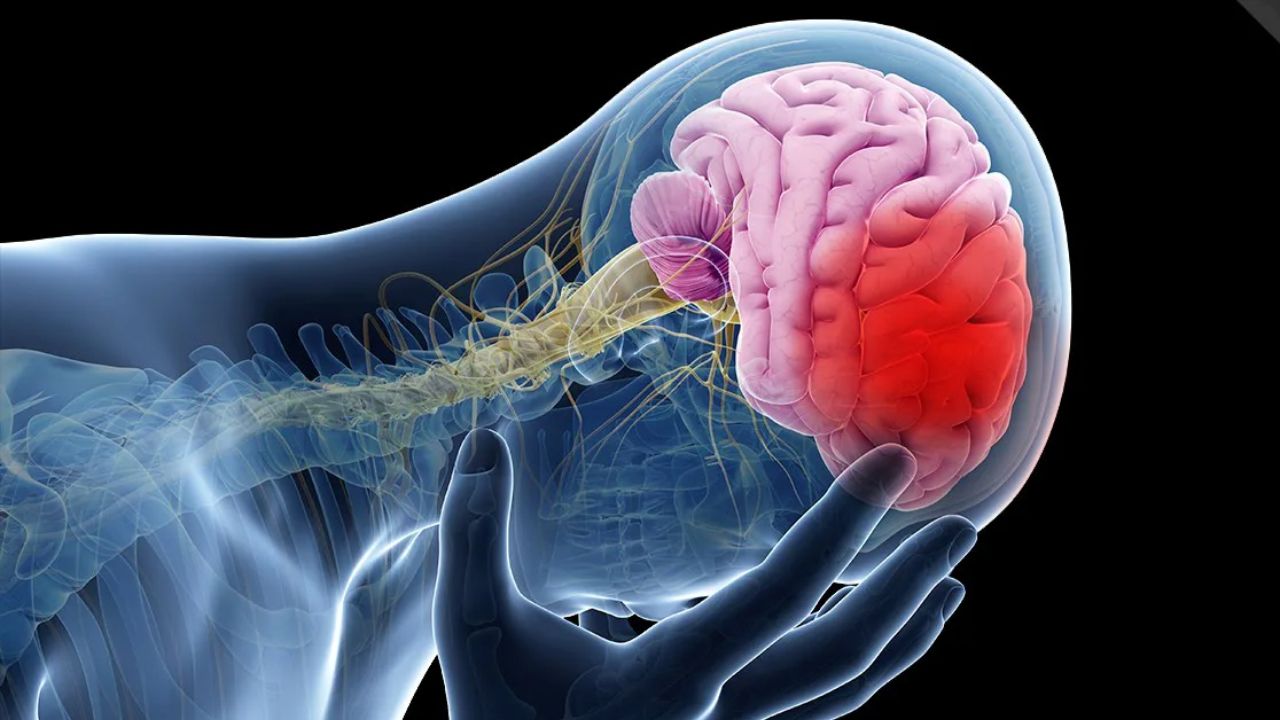
The Most Important Thing to Remember
A stroke does not always announce itself with dramatic symptoms.
Sometimes the first clue may be a sudden change in speech, a brief episode of weakness, a vision disturbance, an unusual loss of balance or another neurological symptom.
And sometimes those symptoms may disappear before the person seeks help.
That is exactly why they should not be ignored.
A sudden neurological symptom is not something to “sleep off” or wait several days to discuss with a doctor.
If it could be a stroke or TIA, every minute matters.
Final Takeaway
A stroke can happen suddenly, but some people experience warning episodes or symptoms beforehand—particularly TIA symptoms that temporarily disappear.
Watch for sudden:
-
Numbness or weakness
-
Facial drooping
-
Speech or language difficulty
-
Vision changes
-
Severe unusual headache
-
Dizziness or loss of balance
-
Difficulty walking
-
Confusion
-
Loss of coordination
-
Stroke-like symptoms that suddenly disappear
These symptoms do not prove that a stroke is occurring, but they can represent a medical emergency.
If they appear suddenly, don't wait for the symptoms to become worse or disappear. Seek emergency medical care immediately.
Recognizing the warning signs—and acting quickly—can make a critical difference.