A stroke can happen with little or no warning. One moment, a person may be talking, walking, or carrying on with an ordinary activity; the next, they may suddenly have trouble speaking, moving, seeing, or staying balanced. Because a stroke can damage the brain within minutes, recognizing the warning signs and getting emergency medical help quickly can make a critical difference.
Some symptoms are dramatic and easy to recognize. Others can be subtle, especially when they appear briefly or affect only one side of the body. That is why knowing the possible warning signs matters—not to diagnose yourself, but to recognize when something may require immediate attention.
Below are 10 important signs that can occur during a stroke and should never be casually dismissed.
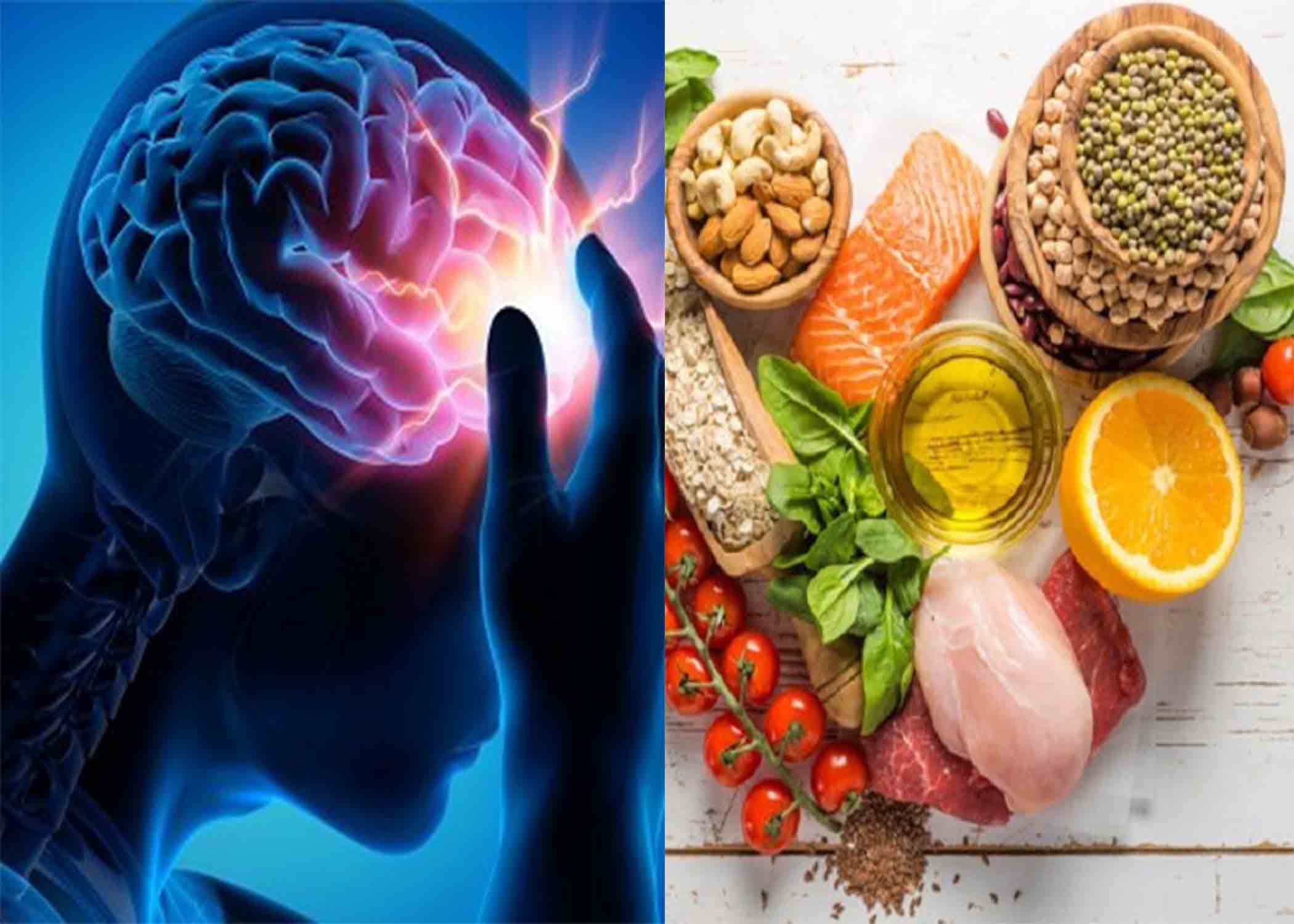
1. Sudden Weakness or Numbness on One Side
One of the classic warning signs of stroke is sudden weakness, numbness, or loss of sensation affecting the face, arm, or leg, particularly on one side of the body.
A person might suddenly notice that one arm feels unusually heavy or that they cannot raise both arms equally. They may also experience numbness in one side of the face or have difficulty walking because one leg suddenly feels weak.
The key word is sudden.
A gradual change caused by an old injury or chronic condition is different from a new neurological symptom that appears within minutes.
A simple way to remember this is the FAST stroke warning system:
-
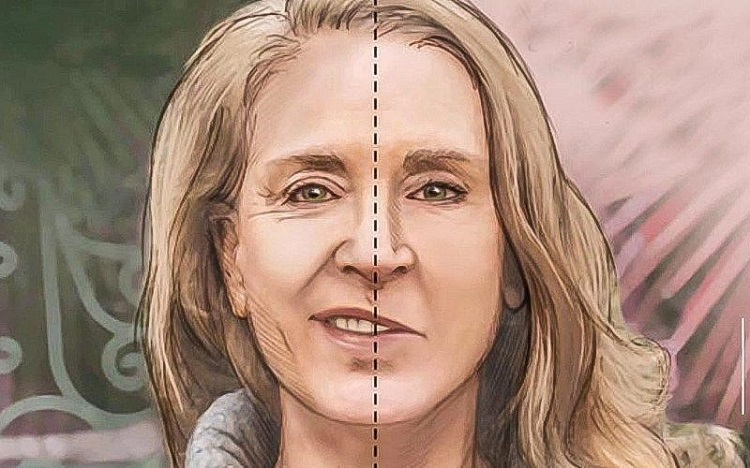
F — Face: Ask the person to smile. Does one side of the face droop?
-
A — Arms: Ask them to raise both arms. Does one drift downward?
-
S — Speech: Ask them to repeat a simple sentence. Is their speech slurred, strange, or difficult to understand?
-
T — Time: If these symptoms appear suddenly, call emergency medical services immediately.
Do not wait to see whether the weakness disappears.
2. Sudden Trouble Speaking or Understanding
A stroke can interfere with the areas of the brain responsible for language.
Someone may suddenly struggle to find the right words, speak in an unusual or slurred manner, or produce sentences that do not make sense. In other cases, the person may hear what someone is saying but have difficulty understanding it.
Sometimes the change is subtle.
A person who normally speaks clearly may suddenly sound confused, use incorrect words, or repeatedly ask the same question. Family members may notice the difference before the person experiencing the stroke realizes something is wrong.
Sudden language problems should be treated seriously, especially when they occur together with weakness, facial drooping, dizziness, or vision problems.
3. Sudden Vision Changes
A sudden change in vision can also be a sign of a stroke.
Depending on which part of the brain or blood supply is affected, a person may suddenly experience blurred or double vision, loss of vision in one eye, or loss of part of their visual field.
Some people describe it as a curtain, shadow, or missing area in their vision. Others simply realize that they can no longer see normally.
Because vision problems can have many causes—including eye conditions and migraines—not every sudden visual disturbance is a stroke. But new, unexplained, sudden vision loss or major visual changes require urgent medical evaluation.
Do not assume that the problem will resolve on its own.
4. Sudden Severe Headache
A sudden and unusually severe headache can sometimes accompany a stroke, particularly a hemorrhagic stroke, in which a blood vessel ruptures and causes bleeding in or around the brain.
People may describe such a headache as extremely intense or unlike headaches they have experienced before.
A severe headache becomes especially concerning when it occurs along with symptoms such as:
-
Weakness or numbness
-
Confusion
-
Difficulty speaking
-
Loss of consciousness
-
Seizure
-
Vomiting
-
Vision changes
-
Severe dizziness or coordination problems
Not every severe headache means a stroke. Migraines and other conditions can also cause intense pain. However, a sudden, explosive, unfamiliar headache should not be ignored.

5. Sudden Dizziness or Loss of Balance
Stroke does not always begin with facial drooping or arm weakness.
Some strokes, particularly those involving areas of the brain responsible for balance and coordination, may cause sudden dizziness, severe unsteadiness, or difficulty walking.
A person might suddenly feel as though the room is spinning. They may stumble, veer to one side, or be unable to stand normally.
Dizziness is common and often has harmless causes. But sudden severe dizziness accompanied by other neurological symptoms is much more concerning.
For example, dizziness combined with double vision, difficulty speaking, weakness, numbness, severe headache, or loss of coordination should be treated as an emergency.
6. Sudden Confusion or Changes in Mental Awareness
A person experiencing a stroke may suddenly seem confused or behave differently from normal.
They might have difficulty answering simple questions, become disoriented about where they are, or struggle to understand what is happening around them.
Family members sometimes describe this as a person suddenly seeming “not like themselves.”
Confusion can result from many medical problems, including infections, low blood sugar, medication effects, seizures, or metabolic disturbances. But when confusion appears suddenly—especially alongside speech problems, weakness, vision changes, or difficulty walking—it can indicate a serious neurological emergency.
7. Sudden Difficulty Walking or Coordinating Movements
A stroke can interfere with the brain's ability to coordinate movement.
Someone who was walking normally may suddenly stumble, lose their balance, have difficulty controlling an arm or leg, or become unable to walk without assistance.
They may appear intoxicated even though they have not consumed alcohol. Their movements may become clumsy or unusually uncoordinated.
This is particularly important because people sometimes dismiss sudden coordination problems as tiredness, aging, low blood pressure, or simply “being off balance.”
If the change is sudden and unexplained, it deserves immediate attention.
8. Sudden Numbness or Altered Sensation
Numbness can be easy to overlook.
A person may suddenly feel that part of their face, arm, leg, or body has “fallen asleep.” They may describe a strange tingling sensation or an unusual loss of feeling.
Stroke-related sensory changes often affect one side of the body, although the exact symptoms depend on where the brain is affected.
Temporary numbness can have many explanations, such as pressure on a nerve or a pinched nerve. The important distinction is whether the sensation appeared suddenly and without an obvious explanation, particularly if it occurs together with other neurological changes.
When in doubt, urgent assessment is safer than waiting.
9. Sudden Difficulty Swallowing
Some strokes can affect the muscles and brain pathways involved in swallowing.
A person may suddenly cough or choke while drinking, have trouble swallowing food, drool more than usual, or develop a noticeably changed voice.
Difficulty swallowing may not always be obvious. Sometimes a person simply struggles to handle food or liquids normally.
This symptom is especially concerning when it develops suddenly alongside facial weakness, speech difficulties, dizziness, or weakness on one side.
If a person may be having a stroke, do not give them food, drink, or medication by mouth while waiting for emergency assistance unless medical professionals instruct you to do so. A swallowing problem can increase the risk of aspiration.
10. Sudden, Unexplained Changes That Feel Neurological
Not every stroke fits neatly into a checklist.
A person may experience several subtle changes at once: difficulty concentrating, unusual clumsiness, trouble seeing, a strange sensation in one side of the body, or difficulty performing a familiar task.
What matters is the sudden onset and combination of neurological symptoms.
If something changes abruptly and dramatically from a person's normal functioning, it should not be dismissed simply because the symptom does not match the most familiar image of a stroke.
What If the Symptoms Go Away?
This is one of the most important things to understand.
Sometimes stroke-like symptoms disappear after a few minutes or hours. This can happen with a transient ischemic attack (TIA), sometimes called a “mini-stroke.”
A TIA occurs when blood flow to part of the brain is temporarily disrupted. Symptoms may resolve because the blockage clears, but a TIA is still a medical emergency.
It can be a warning that a more serious stroke may occur.
Therefore, someone who suddenly develops facial weakness, speech difficulty, vision problems, numbness, or other neurological symptoms should not simply say, “I'm fine now,” and move on.
Even if symptoms disappear, urgent medical evaluation is important.
Why Acting Quickly Matters
The brain depends on a continuous supply of oxygen and nutrients delivered through the bloodstream.
In an ischemic stroke, a blood clot or other blockage reduces blood flow to part of the brain.
In a hemorrhagic stroke, a blood vessel breaks and bleeding damages brain tissue.
In both situations, brain cells can become injured or die.
Some treatments for ischemic stroke work best when given as quickly as possible and are appropriate only for certain patients and within specific time windows. Other emergency interventions may also be considered depending on the type of stroke, the location of the blockage, the imaging findings, and how long symptoms have been present.
That is why time is critical.
Don't Drive Yourself to the Hospital If You May Be Having a Stroke
If stroke symptoms suddenly appear, call your local emergency medical service rather than trying to drive yourself or having someone drive you if emergency transport is available.
Emergency medical personnel can begin assessment on the way to the hospital and help direct the patient to an appropriate stroke-capable facility.
If possible, remember or record the exact time the person was last known to be well.
This information can be extremely important when doctors determine which treatments may be appropriate.
What You Should Do If You Notice Stroke Symptoms
If you suspect a stroke:
1. Call emergency medical services immediately.
2. Note when the symptoms started—or when the person was last known to be normal.
3. Keep the person safe and monitored while waiting for help.
4. Do not give food, drink, or medication unless instructed by medical professionals.
5. Do not wait for symptoms to become more severe.
6. If symptoms disappear, still seek urgent medical evaluation.
Most importantly, don't attempt to diagnose the condition yourself.
A stroke can look different from one person to another.
Some Stroke Risk Factors Can Be Managed
Although not every stroke can be prevented, many important risk factors can be addressed.
High blood pressure is one of the major risk factors for stroke. Other factors include smoking, diabetes, high cholesterol, certain heart conditions such as atrial fibrillation, physical inactivity, obesity, excessive alcohol consumption, and some forms of vascular disease.
Age and family history also influence risk, but having risk factors does not mean a stroke is inevitable.
Regular medical care can help identify problems before they become emergencies.
Depending on a person's individual risk profile, prevention may involve controlling blood pressure and cholesterol, managing diabetes, stopping smoking, exercising regularly, maintaining a healthy dietary pattern, limiting alcohol, and taking prescribed medications correctly.
The Most Important Message
A stroke does not always announce itself with dramatic symptoms.
Sometimes the first clue is a suddenly crooked smile.
Sometimes it is a hand that suddenly becomes weak.
Sometimes it is an unusual difficulty speaking, sudden vision loss, severe dizziness, or a headache unlike anything experienced before.
These symptoms can have causes other than stroke—but when they appear suddenly, the safest approach is to treat them as potentially serious until a medical professional says otherwise.
Remember FAST: Face, Arms, Speech, Time.
If you notice sudden signs of stroke in yourself or someone else, don't wait to see what happens. Call emergency medical services immediately. Acting quickly may give doctors a better opportunity to limit brain injury and improve the chances of recovery.