

Caught in a Doomscrolling Loop? Here’s How To Break Free
Being mindful of your negative news habit can help you bring it to an end.
Health 06/08/2026 13:27
Many people focus on buying fresh food but overlook one of the most important factors in food preservation: refrigerator temperature. Even high-quality food can spoil quickly if the fridge is too warm or become damaged if it is too cold. Proper temperature control not only helps food stay fresh longer, but also reduces bacterial growth, prevents waste, and protects your health.
Modern refrigerators are designed to maintain safe storage conditions, but incorrect settings, overloaded shelves, or frequent door opening can affect performance. Understanding how to adjust refrigerator temperature properly can make a significant difference in food quality and shelf life.
Food naturally begins to deteriorate after being harvested or prepared. Warm temperatures allow bacteria and mold to grow more rapidly, while cooler temperatures slow this process down.
Refrigeration helps:
However, temperature that is too cold can also create problems. Some fruits and vegetables may freeze slightly, leading to mushy textures, loss of flavor, or discoloration.
Finding the right balance is essential.
Food safety experts generally recommend keeping the refrigerator at:
The freezer should typically remain at:

This temperature range is cold enough to slow bacterial growth while preventing most foods from freezing.
If the fridge temperature rises above 40°F (4°C), bacteria can multiply more quickly, especially in dairy products, cooked foods, seafood, and meat.
Sometimes refrigerators appear to work normally even when the temperature is unsafe.
Common warning signs include:
A refrigerator that is too warm may result from:
If food consistently spoils early, checking the actual temperature with a refrigerator thermometer is a smart step.
Extremely cold settings can also damage food quality.

Signs include:
Some refrigerators cool unevenly, meaning food near air vents may freeze while items elsewhere remain normal.
Lowering the temperature slightly can help prevent unnecessary freezing.
Many refrigerators use number-based settings rather than displaying exact temperatures. Unfortunately, higher numbers often mean colder temperatures, which can confuse users.
To adjust correctly:
Avoid making dramatic changes all at once. Small adjustments work best because refrigerators need time to stabilize.
Temperature inside a refrigerator is not completely uniform. Some areas remain colder than others.
Best for:
These areas often maintain stable temperatures.
Best for:
The lower section is usually the coldest and helps reduce bacterial growth.
Best for:
Humidity-controlled drawers help preserve freshness longer.
Best for:
The door is usually the warmest area because it is exposed to outside air frequently. Avoid storing milk or eggs there if possible.
A crowded refrigerator blocks airflow, making cooling uneven.
While a moderately full fridge retains cold better than an empty one, excessive overcrowding prevents proper circulation.
Hot dishes raise internal temperature temporarily and can affect nearby food.
Allow cooked meals to cool slightly before refrigerating.
Every time the door opens, warm air enters the refrigerator.
Frequent opening forces the appliance to work harder and may create temperature fluctuations.
Even with perfect refrigeration, food does not last forever.
Always check:
Certain foods spoil faster when refrigeration is inadequate.
These include:
Improper storage temperatures can increase the risk of foodborne illnesses caused by bacteria such as Salmonella or E. coli.
In hot weather, refrigerators may need slightly colder settings because surrounding temperatures increase appliance workload.
During summer:
In cooler months, slightly less cooling may sometimes be sufficient.
Correct temperature settings can also reduce electricity usage.
A refrigerator that is colder than necessary wastes energy, while a warm refrigerator increases spoilage and forces the compressor to work harder.
Maintaining balanced settings improves both efficiency and food safety.

Proper refrigerator temperature plays a major role in preserving food quality, reducing waste, and protecting health. Small adjustments can help food stay fresher longer while preventing bacterial growth and unnecessary spoilage.
Keeping the refrigerator between 37°F and 40°F (3°C to 4°C), organizing food correctly, and monitoring temperature regularly can significantly improve food storage conditions.
Simple habits such as avoiding overcrowding, limiting door opening, and checking food placement can make a noticeable difference in how long groceries remain fresh and safe to eat.
Being mindful of your negative news habit can help you bring it to an end.

The Fascinating Household Uses of Lemons Sprinkled With Salt

What Women Should Know About Diet and Uterine Health?

There are many steps you can take to help protect your health and blood vessels. Avoiding tobacco is one of the best.

5 Common Beverages That May Contribute to Poor Liver Health

The results shocked him.

Enjoy This Cooling Lime and Cucumber Drink as Part of a Balanced, Healthy Routine

Don't ignore recurring leg cramps—they may signal an underlying health problem.

Peanuts Aren’t Just a Snack — Doctors Warn They May Lead to…
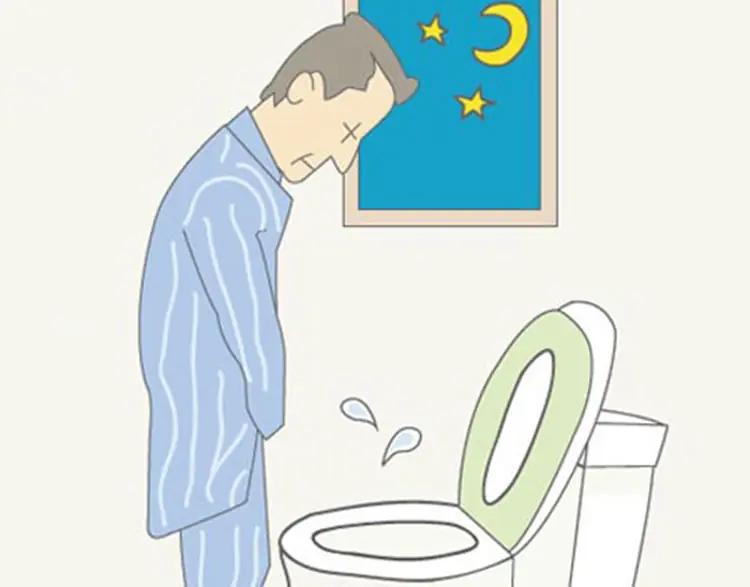
Do You Often Wake Up to Pee at Night? Here's What Your Body May Be Trying to Tell You

Many People Use Water, Vinegar, and Salt to Naturally Cleanse Their Homes

Nighttime Health Changes? Here Are 15 Diabetes Signs to Know About

Guava Is Nutritious, but Doctors Warn It Could Cause Problems in Certain Cases

Garlic Peels May Be More Useful Than You Realize - Here's How

When Should You Take a Bath to Stay Safe and Protect Your Health?
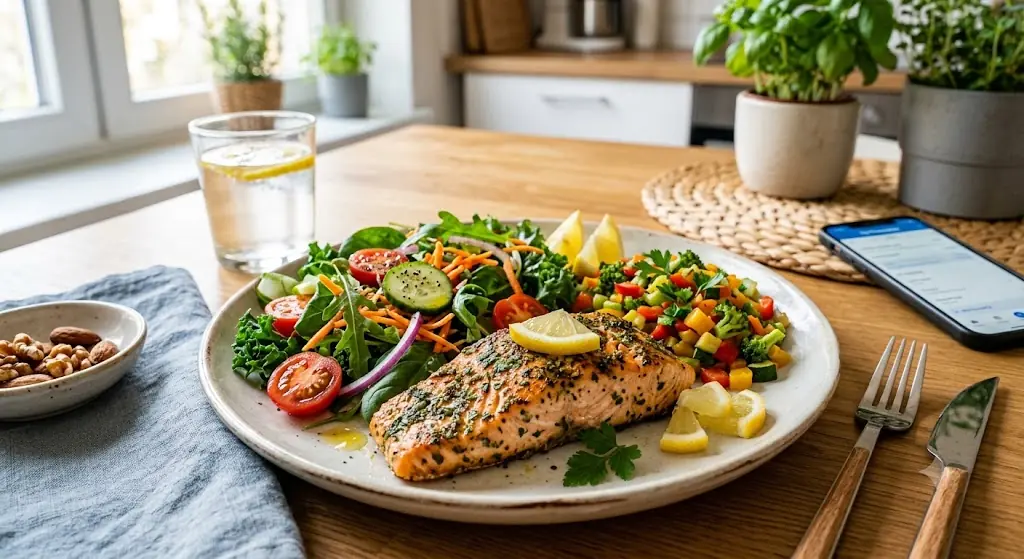
Prepping ingredients ahead of time, rethinking your snacks and making smart protein swaps can up your daily intake.
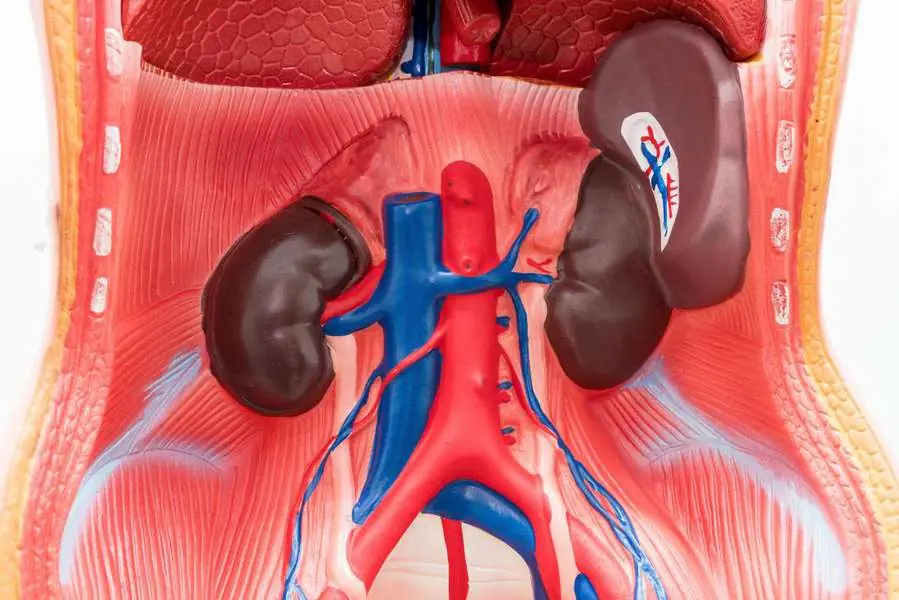
Could These Symptoms Be Linked to Your Spleen? 9 Signs to Know
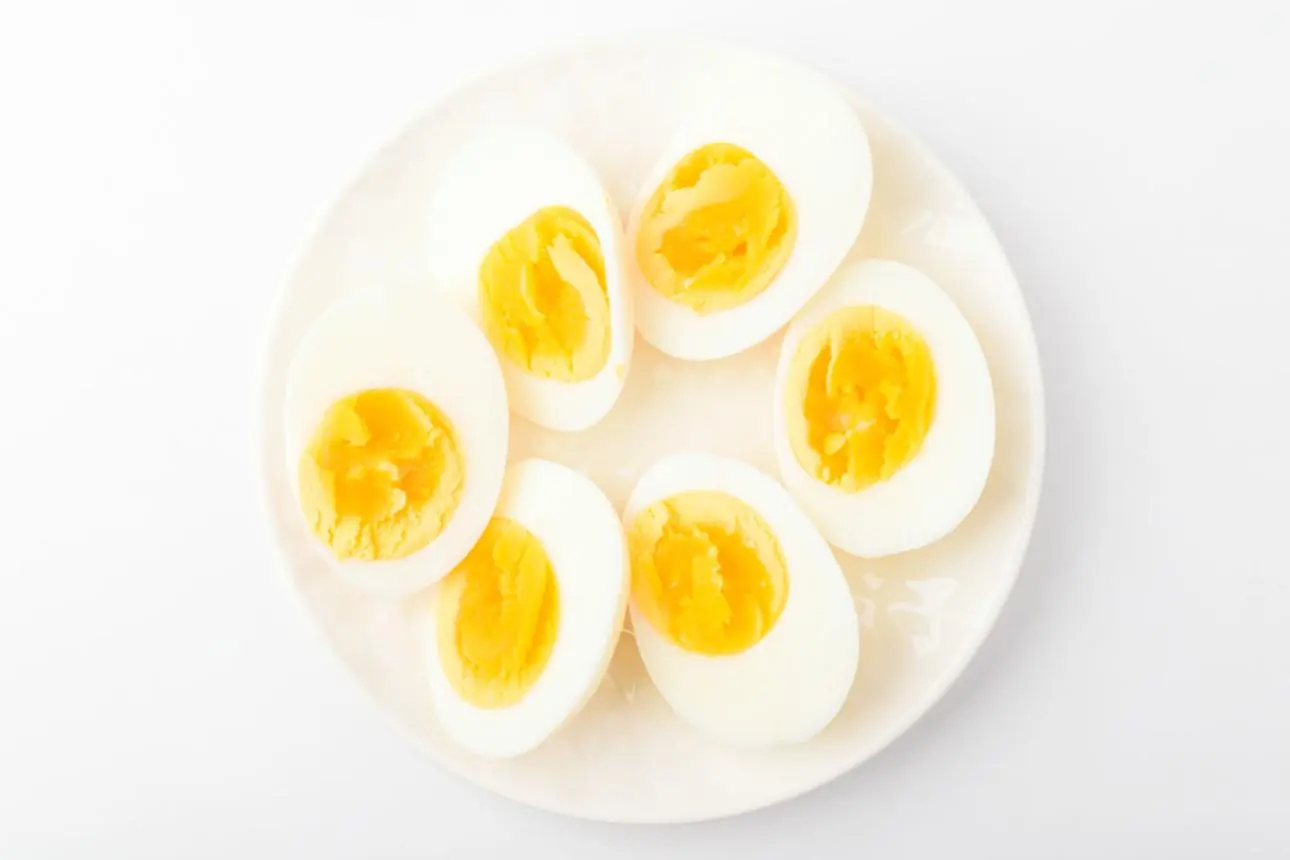
Experts explain whether certain egg habits truly raise stroke risk.
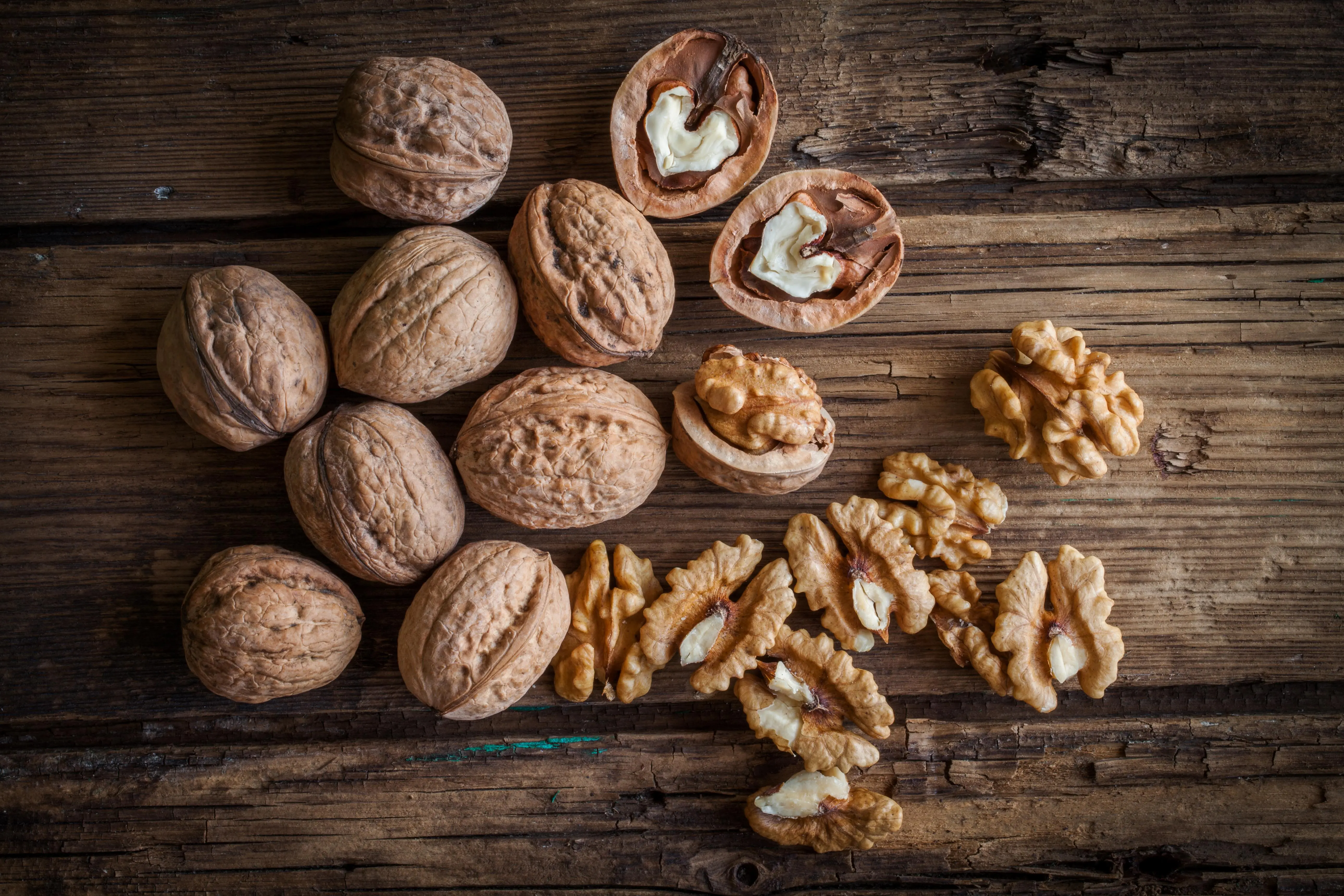
One Handful of Walnuts a Day Could Offer Surprising Health Benefits
Being mindful of your negative news habit can help you bring it to an end.
The Fascinating Household Uses of Lemons Sprinkled With Salt
What Women Should Know About Diet and Uterine Health?

Four quick and easy breakfast recipes from our editorial team to your table.
There are many steps you can take to help protect your health and blood vessels. Avoiding tobacco is one of the best.
5 Common Beverages That May Contribute to Poor Liver Health
The results shocked him.
Enjoy This Cooling Lime and Cucumber Drink as Part of a Balanced, Healthy Routine
Don't ignore recurring leg cramps—they may signal an underlying health problem.
Peanuts Aren’t Just a Snack — Doctors Warn They May Lead to…
Do You Often Wake Up to Pee at Night? Here's What Your Body May Be Trying to Tell You
Many People Use Water, Vinegar, and Salt to Naturally Cleanse Their Homes

He Ignored an Old Woman in the Rain… Until This Happened


Lemon and Salt in the Room: A Popular Home Tradition and What It May Actually Do

The Decision That Touched Everyone
Nighttime Health Changes? Here Are 15 Diabetes Signs to Know About
Guava Is Nutritious, but Doctors Warn It Could Cause Problems in Certain Cases
Garlic Peels May Be More Useful Than You Realize - Here's How