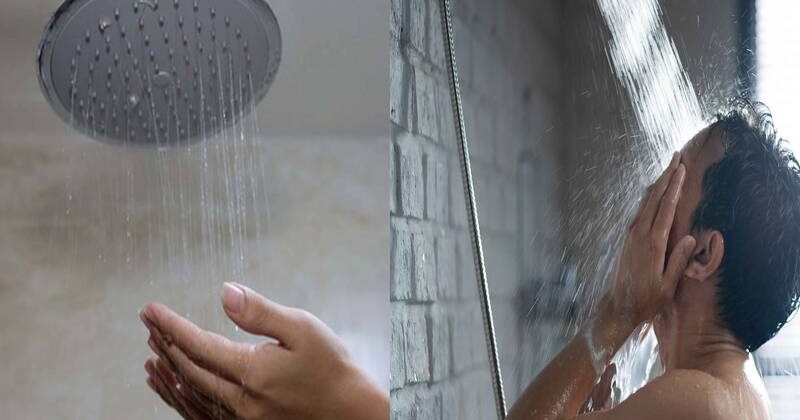
Showering is a simple daily habit - but after 70, the body doesn’t regulate temperature, blood pressure, and balance the same way it once did. That means when you shower can matter almost as much as how you shower.
This isn’t about avoiding showers. It’s about reducing risk by choosing the right timing and conditions.
🧠 Why Age Changes the Way the Body Responds
As we get older, several physiological shifts can affect how the body reacts to a shower:
- Slower blood pressure regulation → easier to feel dizzy when standing
- Reduced temperature sensitivity → higher risk of overheating or chills
- Changes in circulation → blood may pool differently
- Balance and strength decline → higher fall risk
A hot shower—especially at the wrong time—can amplify these effects.
⚠️ Times of Day That May Be Less Ideal
🌅 1. Very Early Morning (Right After Waking Up)
Right after waking, blood pressure can be unstable, especially in older adults.
Risks:
- Sudden drops in blood pressure (orthostatic hypotension)
- Dizziness or lightheadedness
- Increased fall risk in the bathroom
Safer approach:
Wait a bit after waking, hydrate, and allow the body to adjust before showering.
🌙 2. Late at Night (Right Before Bed)
A hot shower late at night can affect the body’s internal temperature rhythm.
Possible effects:
- Temporary increase in body temperature
- Disruption of sleep readiness
- Fatigue or lightheadedness before bed
For some, a lukewarm shower earlier in the evening works better.
🍽️ 3. Immediately After Eating
After meals, blood flow shifts toward digestion.
What can happen:
- Less blood available for circulation to other areas
- Increased chance of dizziness in a hot shower
Tip: wait at least 30–60 minutes after eating.
🚨 Why Showering Can Be Risky at the Wrong Time
🩸 1. Blood Pressure Drops
Hot water causes blood vessels to expand, which can lower blood pressure.
🧠 2. Dizziness and Fainting
Combined heat and standing can lead to:
- Lightheadedness
- Loss of balance
🦵 3. Increased Fall Risk
Bathrooms are already slippery environments. Any instability increases danger.
🌡️ 4. Temperature Regulation Issues
Older adults may not sense heat as effectively, increasing the risk of:
- Overheating
- Dehydration
🛡️ How to Shower More Safely After 70
✔️ Choose the Right Time
Best times are usually:
- Mid-morning
- Early evening (not too late)
✔️ Use Lukewarm Water
Avoid very hot water to reduce stress on the body.
✔️ Install Safety Support
- Grab bars
- Non-slip mats
- Shower chairs
✔️ Keep Showers Short
5–10 minutes is enough.
✔️ Stay Hydrated
Drink water before and after showering.
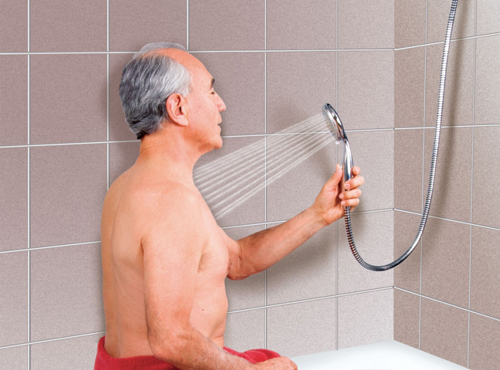
✔️ Sit If Needed
A shower chair can significantly reduce fall risk.
🧠 What This Really Means
The advice isn’t about fear - it’s about adapting to how the body changes with age.
A routine that felt harmless at 40 or 50 may need small adjustments at 70+ to stay safe.
💡 Final Thoughts
Showering remains an important part of hygiene and well-being at any age. But after 70, timing, temperature, and safety measures matter more than ever.
A few simple changes - like avoiding early-morning showers, using lukewarm water, and taking your time can significantly reduce risks.
Because sometimes, staying healthy isn’t about doing less - it’s about doing the same things more wisely.