
Feeling More Irritable in Summer? Experts Say This One Vegetable May Help You Cool Down Naturally
What Is the Summer “Supe.rfood” That Helps You Stay Balanced?
Health 17/05/2026 15:10
Age spots - also known as liver spots or solar lentigines - are a common skin concern, especially as people get older. They often appear as flat, brown, gray, or black patches on areas frequently exposed to the sun, such as the face, hands, shoulders, and arms.
For most people, age spots are completely harmless. However, because they can sometimes resemble more serious skin conditions, it’s important to understand when they are normal and when they may require medical attention.
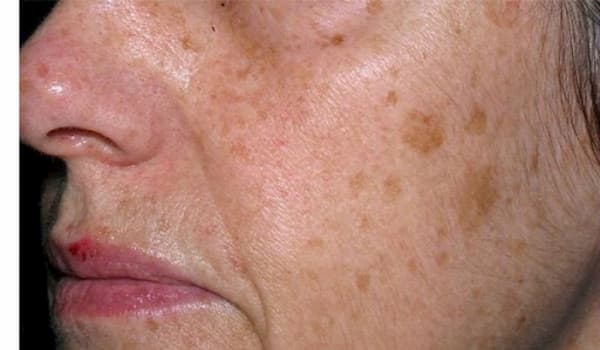
Age spots are caused by long-term exposure to ultraviolet (UV) radiation, which accelerates the production of melanin (the pigment that gives skin its color).
Key characteristics:
They tend to develop gradually over time and are more common after the age of 40, although they can appear earlier with significant sun exposure.
The primary cause is cumulative sun exposure.
How it happens:
Unlike freckles, which may fade, age spots often persist or become more noticeable.
In most cases, age spots are purely cosmetic and do not pose any health risk.
Signs they are likely harmless:
These spots typically remain stable and do not require treatment unless for cosmetic reasons.
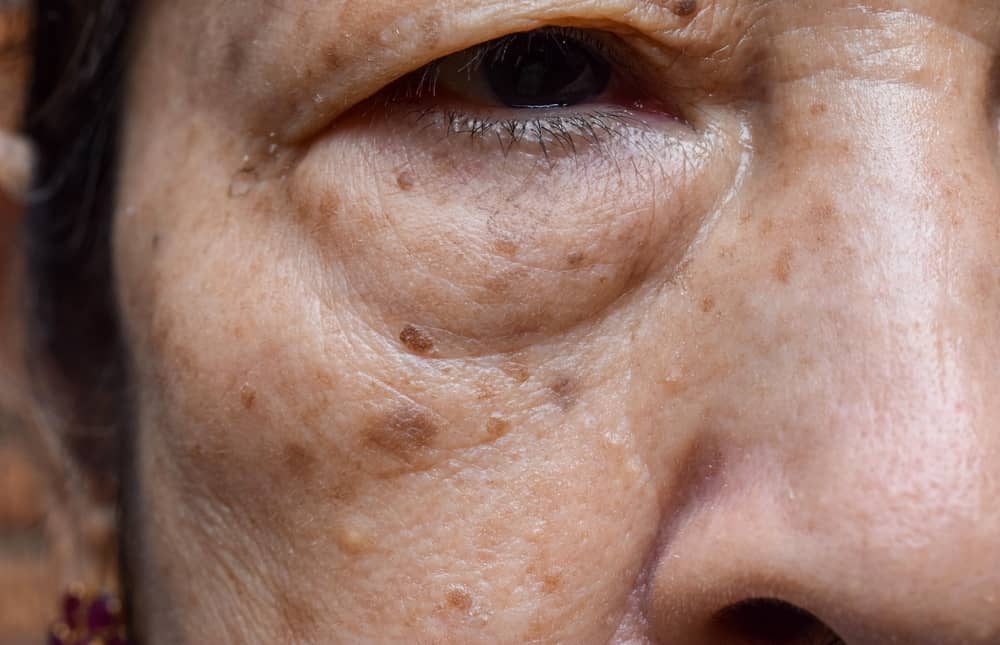
Some skin changes that look like age spots may actually be something more serious, such as skin cancer.
If you notice any of these features, it’s important to seek medical evaluation promptly.
Several skin conditions can resemble age spots, including:
Distinguishing between these conditions often requires professional examination.
You should consult a dermatologist if:
Early detection is crucial, especially for conditions like melanoma.
While treatment is not medically necessary, some people choose to reduce their appearance for cosmetic reasons.
Common options include:
Consultation with a dermatologist is recommended before starting treatment.
Prevention focuses on reducing sun exposure.
Simple steps:
These habits not only help prevent age spots but also reduce the risk of skin cancer.

Age spots are a common and usually harmless sign of aging and sun exposure. However, because they can sometimes resemble more serious conditions, it’s important to monitor any changes in your skin.
Understanding what’s normal and what isn’t - can help you take the right steps at the right time. When in doubt, getting a professional opinion is always the safest choice.
What Is the Summer “Supe.rfood” That Helps You Stay Balanced?















What Is the Summer “Supe.rfood” That Helps You Stay Balanced?