
Feeling More Irritable in Summer? Experts Say This One Vegetable May Help You Cool Down Naturally
What Is the Summer “Supe.rfood” That Helps You Stay Balanced?
Health 17/05/2026 15:10
Ginger has long been celebrated as a powerful natural remedy. From easing nausea to reducing inflammation, this aromatic root is widely used in both traditional and modern medicine. However, despite its many benefits, ginger is not suitable for everyone. In certain health conditions, consuming ginger may do more harm than good.
Understanding when to avoid or limit ginger is essential for protecting your health and making informed dietary choices.
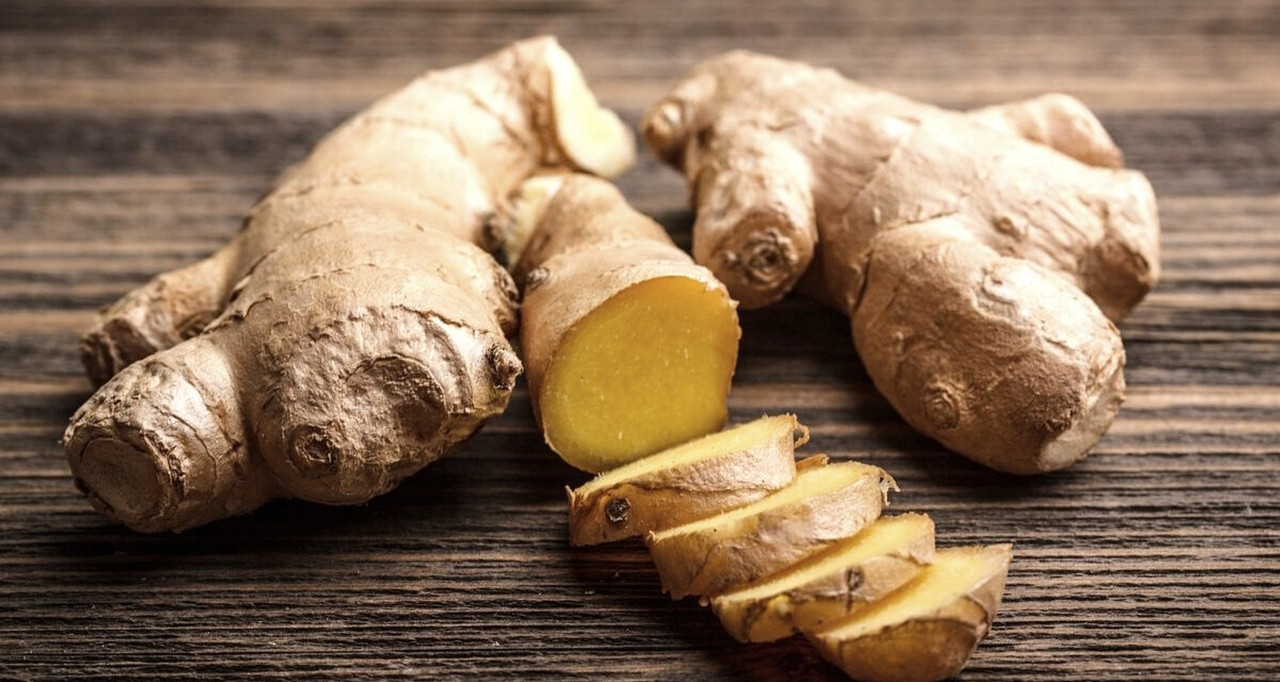
Ginger contains bioactive compounds such as gingerol and shogaol, which are responsible for its anti-inflammatory, antioxidant, and digestive-supporting properties. These compounds can:
However, these same effects can become problematic in specific situations.
Ginger has natural blood-thinning properties, which can interfere with normal clotting. For individuals with bleeding disorders or those who bruise easily, this can increase the risk of excessive bleeding.
People taking blood-thinning medications should be especially cautious, as ginger may amplify the effects of these drugs, leading to complications.
Ginger can stimulate bile production, which helps with digestion. While this is beneficial for many people, it may pose risks for those with gallbladder disease or gallstones.
Increased bile flow can potentially trigger discomfort or worsen symptoms, especially in individuals already experiencing gallbladder issues.

Ginger may help lower blood pressure by improving circulation and relaxing blood vessels. While this can be helpful for people with hypertension, it can be risky for those with already low blood pressure.
Excessive ginger intake may lead to:
Maintaining stable blood pressure is crucial, so moderation is key.
Ginger is commonly used to relieve nausea during pregnancy, especially in the early stages. However, high doses may not be safe for all pregnant individuals.
In some cases, excessive consumption has been linked to:
It is always advisable to consult a healthcare professional before using ginger regularly during pregnancy.
Ginger can help lower blood sugar levels, which may be beneficial for some individuals. However, when combined with diabetes medications, it may cause blood sugar to drop too low.
This condition, known as hypoglycemia, can lead to:
Careful monitoring and medical guidance are essential when combining ginger with any glucose-lowering treatment.
For most people, ginger is safe when consumed in moderate amounts. To avoid potential side effects:

Ginger remains one of the most valuable natural ingredients for supporting health. However, like many powerful remedies, it is not universally suitable.
Recognizing when to limit or avoid ginger can help prevent unwanted side effects and ensure that its benefits are experienced safely. The key lies in understanding your body, your health conditions, and using natural remedies wisely rather than excessively.
What Is the Summer “Supe.rfood” That Helps You Stay Balanced?


















What Is the Summer “Supe.rfood” That Helps You Stay Balanced?