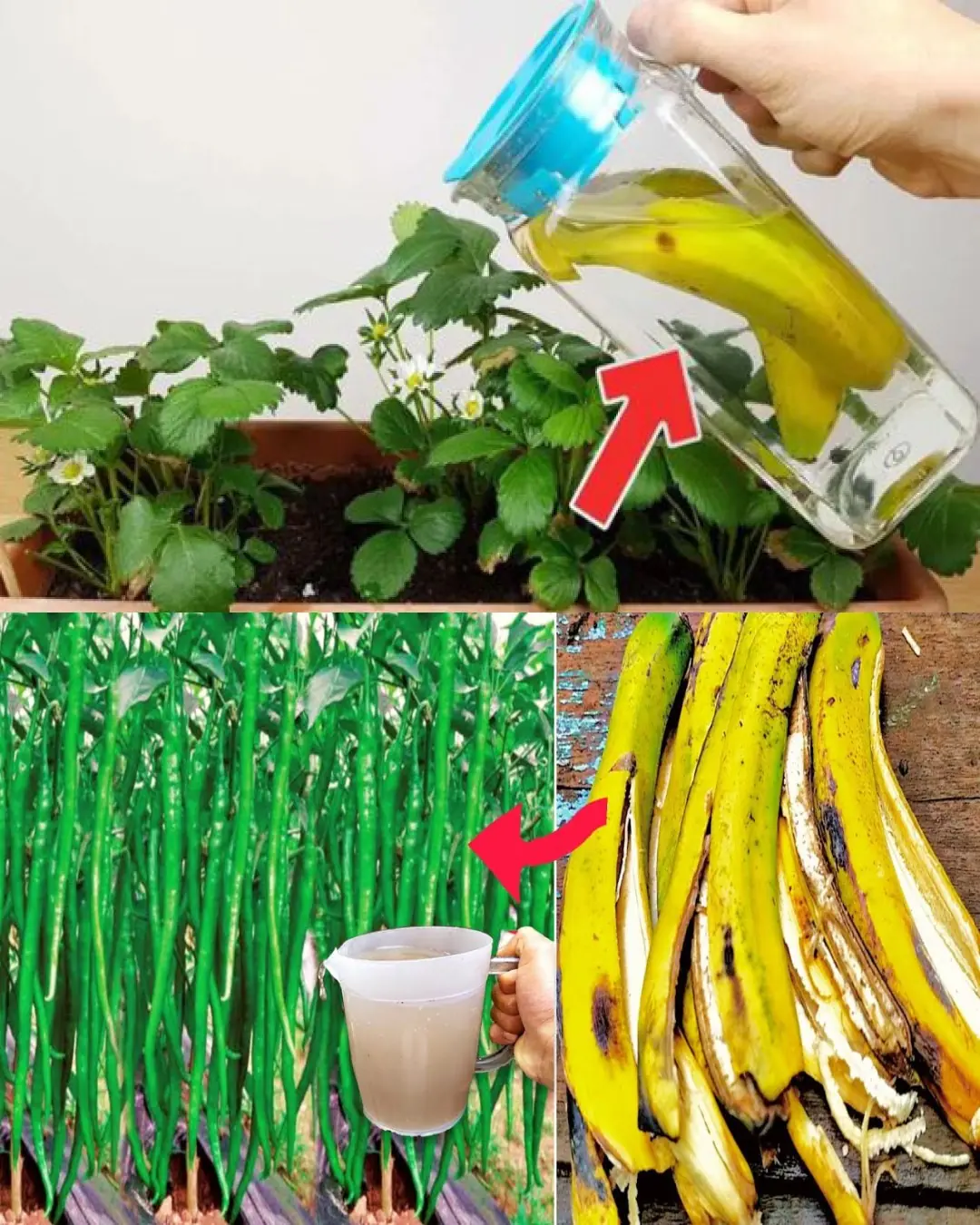
Banana peels are often discarded without a second thought, but these seemingly wasteful scraps are actually a treasure trove of nutrients and benefits for your garden. Instead of tossing banana peels into the trash, consider recycling them in ways that will nourish your plants, improve your soil, and reduce waste. Here are eight effective methods to make the most out of your banana peels in gardening.
1. Use Banana Peels as Natural Fertilizer
Banana peels are rich in potassium, phosphorus, calcium, magnesium, and other essential minerals that plants need for healthy growth. Simply bury small pieces of banana peel near the roots of your plants or chop them up and mix them into your garden soil. This natural fertilizer releases nutrients slowly, improving soil fertility and promoting robust plant growth.
2. Make Banana Peel Compost
Add banana peels to your compost bin or pile. Their high moisture and nutrient content help speed up the composting process and enrich the final compost product. Be sure to cut peels into smaller pieces to accelerate decomposition and balance them with dry materials like leaves or straw for optimal composting.
3. Create Banana Peel Tea
Banana peel tea is a nutrient-rich liquid fertilizer that’s easy to make and beneficial for plants. To prepare, soak chopped banana peels in water for several days, strain the liquid, and use it to water your plants. This tea provides a gentle nutrient boost and can help improve flowering and fruiting.
4. Use Banana Peels to Deter Pests
Some gardeners use banana peels as a natural pest deterrent. The smell of decomposing peels can repel aphids, ants, and other pests. Placing small pieces of banana peel around plants may help protect them without resorting to chemical pesticides.
5. Feed Your Worm Bin
If you keep a worm compost bin, banana peels make excellent food for your worms. They love the soft texture and nutrients, and feeding them banana peels helps produce rich worm castings—one of the best natural soil amendments.
6. Enhance Seedling Growth
Before planting seedlings, you can soak the roots in banana peel tea or bury small pieces of peel in the planting hole. The nutrients from the peel support early root development, increasing seedling vigor and survival rates.
7. Polish Garden Tools
Banana peels contain natural oils that can be used to polish and clean metal garden tools. Simply rub the inside of a banana peel on rusty or dull tools, then wipe clean. This eco-friendly method helps maintain your gardening equipment.
8. Attract Beneficial Insects
Decomposing banana peels can attract beneficial insects such as ladybugs and pollinators that help your garden thrive. Placing peels in strategic spots can encourage these helpful insects to stay nearby and keep pests in check.
Final Thoughts
Instead of throwing banana peels in the trash, recycling them through gardening practices benefits your plants and the environment. By using banana peels as fertilizer, compost, pest deterrent, or even cleaning aid, you reduce waste and nurture a healthier garden naturally.
Next time you enjoy a banana, save the peel and try one or more of these simple and sustainable gardening tips to maximize its value.