An aneurysm is a serious medical condition that occurs when a weakened area in a blood vessel wall begins to bulge or balloon outward. Although some aneurysms remain small and stable for years, others may grow larger and eventually rupture, leading to life-threatening internal bleeding or severe complications.
One of the most dangerous aspects of aneurysms is that many develop silently without obvious symptoms. Some people do not realize they have an aneurysm until it becomes a medical emergency. However, in certain cases, the body may provide warning signs before a rupture occurs.
Recognizing possible symptoms early and seeking urgent medical evaluation may help reduce the risk of severe complications and improve treatment outcomes.
It is important to remember that many symptoms associated with aneurysms may also occur with less serious conditions. However, sudden, severe, or unusual symptoms should never be ignored.
What Is an Aneurysm?
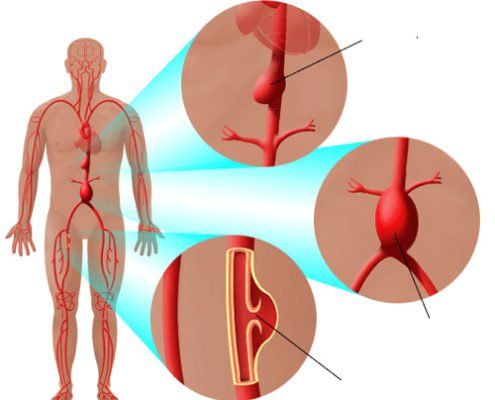
An aneurysm occurs when part of an artery wall weakens and expands outward.
Arteries carry oxygen-rich blood throughout the body under high pressure.
When an artery wall becomes weakened, pressure may cause the vessel to bulge.
Aneurysms may occur in different areas of the body, including:
- The brain
- The aorta
- The abdomen
- The chest
- Peripheral arteries
Some aneurysms remain stable, while others may enlarge over time.
Why Aneurysms Are Dangerous
The greatest danger is rupture.
If an aneurysm bursts, severe internal bleeding may occur rapidly.
A ruptured aneurysm may lead to:
- Stroke
- Shock
- Organ failure
- Permanent disability
- Death
Emergency treatment is often critical.
Types of Aneurysms
Several types of aneurysms exist.
Brain Aneurysm
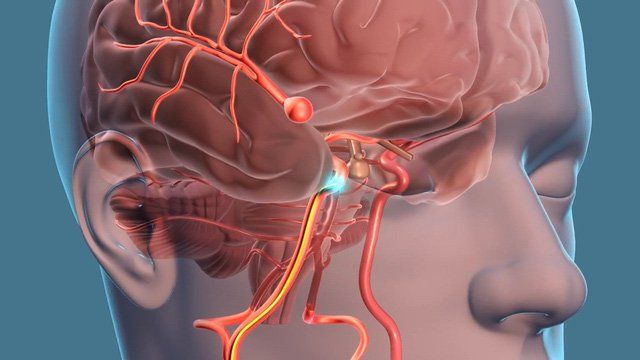
Also called a cerebral aneurysm, this occurs in blood vessels supplying the brain.
Rupture may cause bleeding around the brain known as:
- Subarachnoid hemorrhage
This is a medical emergency.
Abdominal Aortic Aneurysm (AAA)
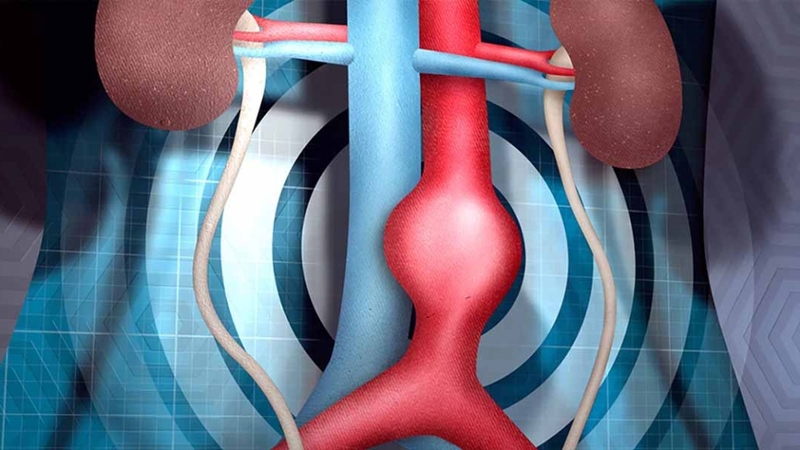
This occurs in the abdominal portion of the aorta, the body’s largest artery.
Large abdominal aneurysms may rupture and cause severe internal bleeding.
Thoracic Aortic Aneurysm
This affects the chest portion of the aorta.
Symptoms may involve:
- Chest pain
- Back pain
- Breathing problems
Why Some Aneurysms Cause No Symptoms
Many aneurysms remain unnoticed because they:
- Grow slowly
- Do not immediately affect nearby tissues
- Cause no pain early on
Some are discovered accidentally during imaging tests for unrelated conditions.
Common Risk Factors for Aneurysms
Several factors may increase aneurysm risk.
These include:
- High blood pressure
- Smoking
- Aging
- Family history
- Atherosclerosis
- Connective tissue disorders
Smoking and uncontrolled hypertension are among the strongest risk factors.
1. Sudden Severe Headache
A sudden, extremely intense headache may be one of the most important warning signs of a ruptured brain aneurysm.
People often describe it as:
- The worst headache of their life
- Explosive pain
- Sudden severe pressure
This symptom requires immediate emergency medical attention.
Why Brain Aneurysm Headaches Are Dangerous
When a brain aneurysm ruptures, bleeding around the brain may rapidly increase pressure inside the skull.
This may damage:
- Brain tissue
- Nerves
- Blood flow
Fast treatment is essential.
2. Vision Problems
Aneurysms near the brain may press on nerves controlling the eyes.
Possible symptoms include:
- Blurred vision
- Double vision
- Loss of vision
- Drooping eyelid
Visual symptoms may occur before rupture in some cases.
3. Neck Pain or Stiffness
Bleeding from a ruptured brain aneurysm may irritate tissues surrounding the brain and spinal cord.
Possible symptoms include:
- Neck stiffness
- Pain with neck movement
- Severe discomfort
Neck stiffness combined with sudden headache is especially concerning.
4. Nausea and Vomiting
Sudden neurological bleeding may trigger:
- Nausea
- Vomiting
- Dizziness
These symptoms often accompany severe headaches during rupture.
5. Sensitivity to Light
Some people with brain aneurysm rupture develop:
- Extreme light sensitivity
- Eye discomfort
- Difficulty tolerating bright environments
This symptom may occur alongside headache and neck stiffness.
6. Confusion or Loss of Consciousness
As bleeding affects brain function, mental changes may occur.
Possible symptoms include:
- Confusion
- Disorientation
- Difficulty speaking
- Fainting
- Loss of consciousness
These symptoms indicate a medical emergency.
7. Sudden Chest or Back Pain
Thoracic or aortic aneurysms may produce:
- Sudden chest pain
- Deep back pain
- Tearing sensations
- Pressure in the chest
Pain may be severe and sudden.
Aortic rupture requires emergency treatment immediately.
8. Pulsating Feeling in the Abdomen
Some abdominal aortic aneurysms create a noticeable pulsating sensation in the abdomen.
People may notice:
- Throbbing near the stomach
- Deep abdominal pressure
- Back discomfort
Large aneurysms may sometimes be physically felt.
9. Shortness of Breath
Thoracic aneurysms may press on nearby structures inside the chest.
Possible symptoms include:
- Difficulty breathing
- Hoarseness
- Coughing
- Chest pressure
Symptoms depend on aneurysm location and size.
When an Aneurysm Ruptures
A ruptured aneurysm may cause sudden life-threatening symptoms.
Possible signs include:
- Sudden severe pain
- Collapse
- Loss of consciousness
- Weakness
- Shock
- Rapid heart rate
Emergency medical care is critical.
Why High Blood Pressure Matters
High blood pressure increases stress on artery walls.
Over time, this pressure may weaken blood vessels and contribute to aneurysm growth or rupture risk.
Managing blood pressure is extremely important for vascular health.
Smoking and Blood Vessel Damage
Smoking damages:
- Artery walls
- Blood vessel flexibility
- Circulation
It significantly increases aneurysm risk and rupture likelihood.
Avoiding smoking is one of the most important preventive measures.
How Doctors Diagnose Aneurysms
Doctors may use:
- CT scans
- MRI scans
- Ultrasound
- Angiography
Imaging tests help determine:
- Aneurysm size
- Location
- Rupture risk
Treatment Options
Treatment depends on:
- Aneurysm size
- Growth rate
- Location
- Overall health
Possible treatments include:
- Monitoring
- Blood pressure control
- Surgery
- Endovascular procedures
Some aneurysms require immediate emergency surgery.
Lifestyle Habits That May Support Vascular Health
Healthy habits may help reduce overall cardiovascular strain.
Helpful practices include:
- Blood pressure management
- Avoiding smoking
- Regular exercise
- Healthy diet
- Stress reduction
- Cholesterol control
These habits support artery health over time.
The Importance of Regular Medical Care
Some aneurysms are discovered early during routine imaging or medical evaluations.
People with family history or major risk factors may benefit from medical screening discussions.
When to Seek Emergency Help
Call emergency services immediately if symptoms include:
- Sudden severe headache
- Sudden chest pain
- Fainting
- Vision loss
- Difficulty speaking
- Sudden weakness
- Severe abdominal pain
Rapid treatment may save lives.
The Emotional Impact of Aneurysm Diagnosis
An aneurysm diagnosis may cause:
- Anxiety
- Fear
- Stress about rupture risk
Proper medical guidance and monitoring may help individuals manage uncertainty and make informed healthcare decisions.
Final Thoughts
Aneurysms are serious vascular conditions that may remain silent for years but can become life-threatening if they rupture. Warning signs such as sudden severe headache, chest pain, abdominal pulsation, vision changes, confusion, neck stiffness, or loss of consciousness should never be ignored.
While not every symptom means an aneurysm is present, sudden or severe symptoms deserve immediate medical evaluation.
Early detection, proper monitoring, healthy lifestyle habits, and rapid emergency response may help reduce complications and improve outcomes for people affected by aneurysms.