Warning Signs of an Aneurysm: Don’t Ignore These Potentially Life-Threatening Symptoms
An aneurysm is a serious medical condition that occurs when a weak area in a blood vessel wall begins to bulge or balloon outward. While many aneurysms develop silently and remain unnoticed for years, some can rupture suddenly, causing life-threatening internal bleeding. Because of this risk, recognizing the early warning signs and symptoms can be extremely important.
Aneurysms can occur in several parts of the body, but they are most commonly found in the brain (cerebral aneurysm) and the aorta, the large artery that carries blood from the heart to the rest of the body. When an aneurysm grows larger or begins to leak, the body may show certain warning signals.
Understanding these symptoms and seeking medical attention quickly can sometimes make the difference between recovery and a medical emergency.
What Exactly Is an Aneurysm?


An aneurysm occurs when a section of an artery weakens, causing it to swell outward like a balloon. As pressure from blood flow continues, the bulging area may grow larger and more fragile over time.
There are several types of aneurysms, including:
-
Cerebral aneurysm – occurs in the blood vessels of the brain
-
Abdominal aortic aneurysm (AAA) – occurs in the lower part of the aorta
-
Thoracic aortic aneurysm – occurs in the chest portion of the aorta
Many aneurysms produce no symptoms at all until they become large or rupture. That is why doctors often refer to them as “silent threats.”
1. Sudden and Severe Headache


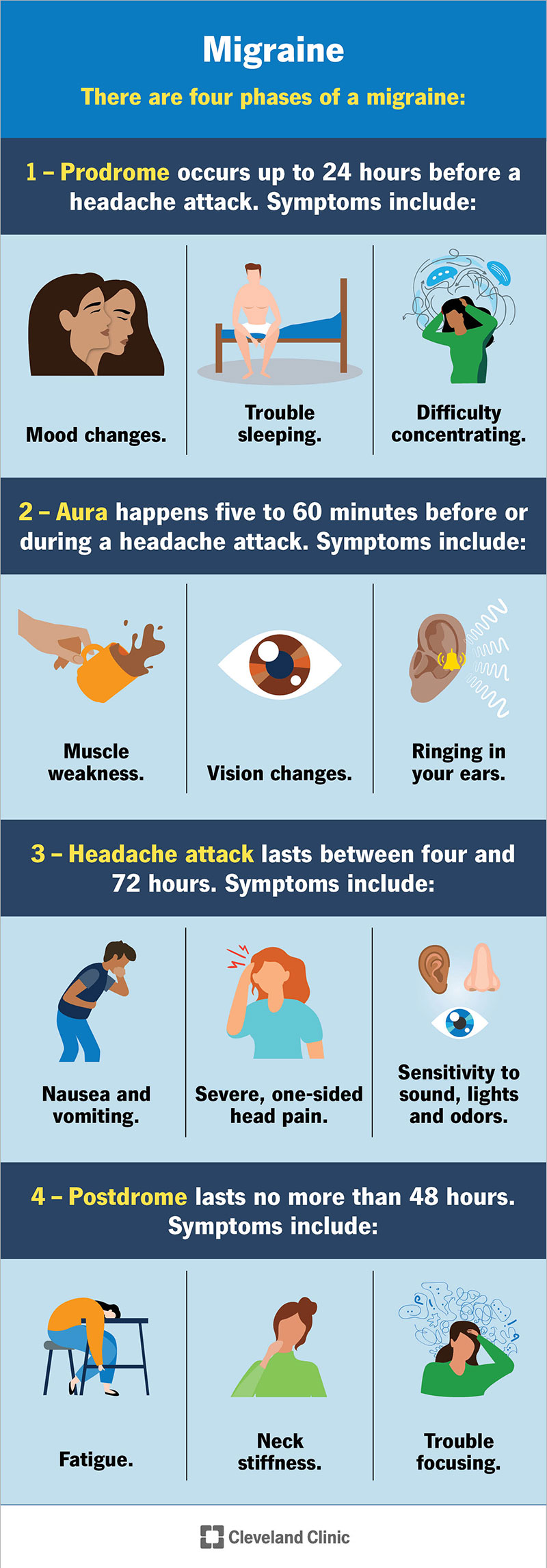
One of the most well-known warning signs of a ruptured brain aneurysm is an extremely sudden and intense headache. Many patients describe it as:
“The worst headache of my life.”
This type of headache may appear suddenly and reach maximum intensity within seconds or minutes. It can occur along with other symptoms such as nausea, vomiting, or sensitivity to light.
A sudden severe headache that feels different from normal headaches should always be evaluated immediately by medical professionals.
2. Vision Problems
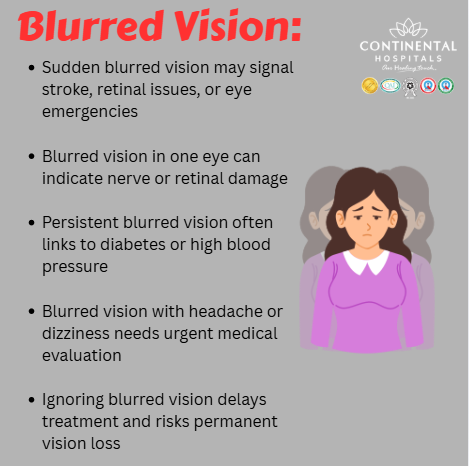


Some aneurysms press on nearby nerves as they enlarge. When this happens in the brain, it may affect the nerves responsible for vision.
Possible visual symptoms may include:
-
Blurred vision
-
Double vision
-
Pain around or behind the eye
-
Dilated pupils
These symptoms occur because the expanding blood vessel can compress important structures within the brain.
Although these signs can also be caused by many other conditions, sudden changes in vision should never be ignored.
3. Neck Pain or Stiffness
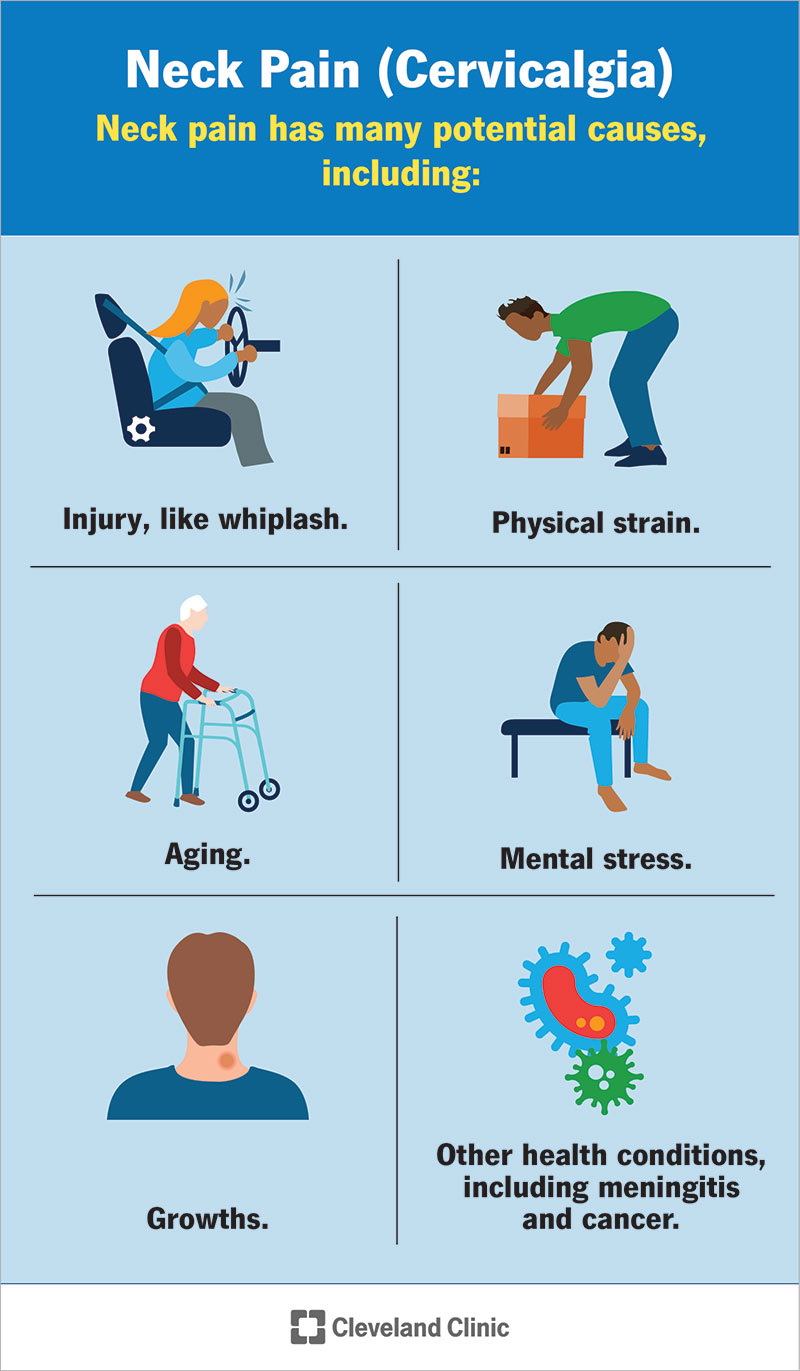

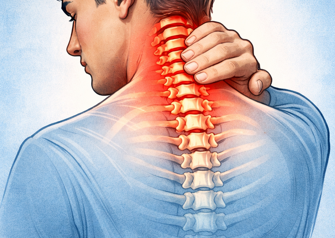
In some cases, individuals with a leaking or ruptured brain aneurysm may experience neck stiffness or neck pain.
This happens because bleeding around the brain can irritate nearby tissues and nerves. People may feel:
-
Tightness in the neck
-
Difficulty moving the neck comfortably
-
Pain radiating from the head down to the shoulders
Neck stiffness combined with a sudden severe headache or nausea could signal a medical emergency that requires immediate evaluation.
4. Nausea, Vomiting, or Dizziness



When the brain experiences sudden pressure changes due to bleeding or swelling, it may trigger symptoms such as:
-
Nausea
-
Vomiting
-
Dizziness
-
Loss of balance
These symptoms often appear alongside other neurological warning signs. Because they are common to many illnesses, they may be overlooked or mistaken for less serious conditions.
However, if dizziness or vomiting occurs together with severe headache, confusion, or vision problems, it is important to seek medical attention as soon as possible.
5. Confusion or Loss of Consciousness

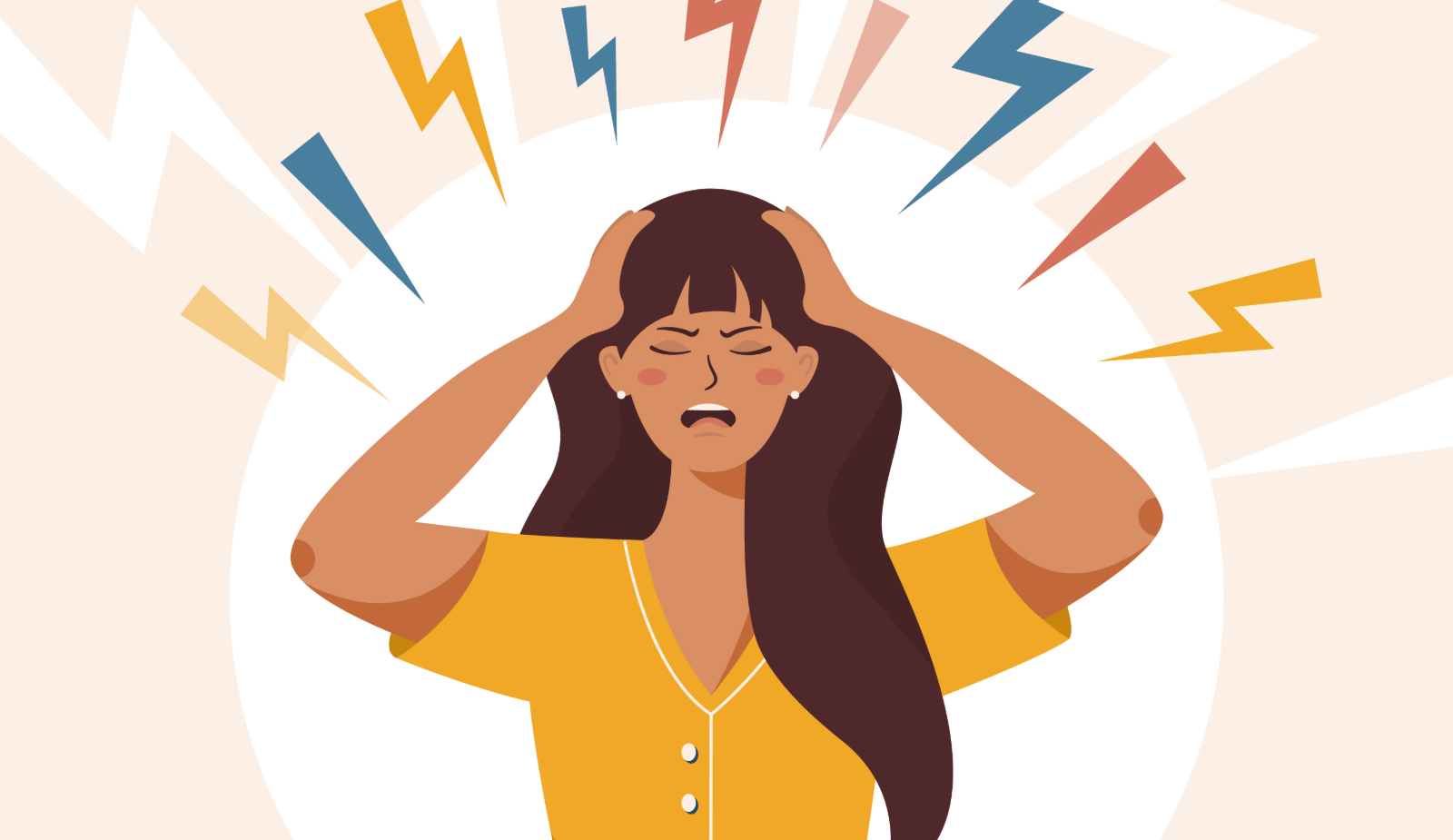

In more severe cases, a ruptured aneurysm can affect brain function dramatically. This may lead to:
-
Sudden confusion
-
Difficulty speaking or understanding words
-
Loss of consciousness
-
Seizures
These symptoms occur because bleeding inside the brain disrupts normal oxygen and blood flow to vital areas.
If someone collapses or becomes unresponsive, it should be treated as a medical emergency requiring immediate care.
Who Is at Higher Risk?
Certain factors may increase the likelihood of developing an aneurysm, including:
-
High blood pressure
-
Smoking
-
Family history of aneurysms
-
Age over 40
-
Certain genetic conditions affecting blood vessels
Maintaining a healthy lifestyle and managing blood pressure can help reduce risk.
When to Seek Immediate Medical Help
An aneurysm rupture is a life-threatening medical emergency. Immediate care is essential if someone experiences:
-
A sudden severe headache
-
Loss of consciousness
-
Vision problems with intense head pain
-
Seizures or confusion
Quick treatment can significantly improve outcomes and reduce the risk of long-term complications.
Final Thoughts
Aneurysms often develop quietly without noticeable symptoms, but when warning signs appear, they should be taken seriously. Understanding potential symptoms such as sudden severe headache, vision disturbances, neck stiffness, dizziness, or confusion can help people respond quickly when something feels wrong.