Available in several colors, including white, red, and deep purple or black, mulberries grow on trees belonging to the Morus genus. Their flavor varies according to the variety and degree of ripeness. Some are mildly sweet, while others develop a richer, more intense taste as they mature. Fully ripe mulberries are generally soft and juicy, with a sweetness that can make them enjoyable without the need for added sugar.
Despite their modest size, mulberries have attracted attention because of their nutritional composition. They contain naturally occurring antioxidants, including anthocyanins in many darker varieties, as well as dietary fiber and vitamin C. These components play different roles in the body, from supporting normal digestive function to helping protect cells from oxidative damage. However, it is important to understand that no single fruit can provide every nutrient the body needs or independently prevent disease. Mulberries are most beneficial when enjoyed as part of an overall healthy eating pattern.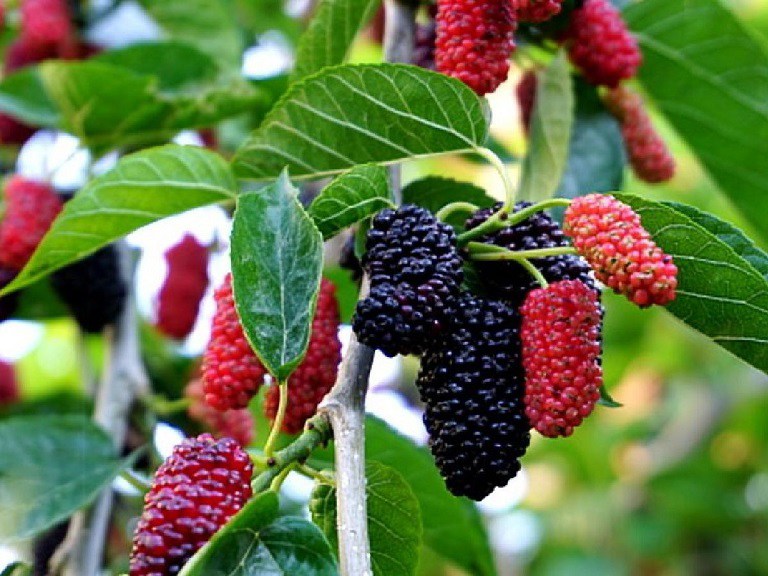
1. What Are Mulberries, and What Makes Them Different?
Mulberries are not technically single berries in the same way that grapes are individual fruits. Instead, each mulberry develops from a cluster of tiny flowers, creating a fruit composed of numerous small sections joined together. This structure gives mulberries their characteristic elongated shape and slightly bumpy surface.
The fruit may look similar to a blackberry at first glance, particularly when it is dark purple or black. However, the two fruits come from different plant families and have distinct growth patterns. Blackberries grow on brambles, which are members of the rose family, while mulberries grow on trees. Mulberries also tend to have softer flesh and a more delicate structure, making them especially vulnerable to crushing during harvesting and transportation.
The three commonly discussed color groups are white, red, and black mulberries. White mulberries are often pale cream or pinkish when ripe, although their color can vary. They are frequently sweet and mild in flavor. Red mulberries may have a more pronounced fruity taste, while dark mulberries can offer a rich, sweet-tart flavor and contain anthocyanins responsible for their deep pigmentation.
The exact taste and nutritional composition depend on the species, growing conditions, ripeness, and handling methods. Therefore, it is not accurate to assume that every variety has identical nutritional properties. Nevertheless, all can be useful additions to a diet that emphasizes fruit, vegetables, whole grains, legumes, and other nutrient-rich foods.
2. The Nutritional Value of Mulberries
One of the main reasons to include mulberries in a balanced diet is their range of nutrients. Fresh mulberries provide water, carbohydrates, fiber, vitamin C, and smaller amounts of several other vitamins and minerals. Their naturally sweet flavor makes them a practical alternative to heavily sweetened snacks.
The nutritional content varies depending on the variety and whether the fruit is fresh or dried. Fresh mulberries contain substantial water, which contributes to their light texture. Dried mulberries have much less water, so their sugars, calories, and other nutrients are more concentrated by weight. A small handful of dried fruit can therefore provide considerably more energy and sugar than the same weight of fresh fruit.
Vitamin C and normal immune function
Vitamin C is an essential nutrient involved in several important processes. It contributes to normal immune system function, supports collagen production, and improves the absorption of non-heme iron from plant-based foods. Collagen is a structural protein found in skin, connective tissue, blood vessels, and other parts of the body.
Mulberries can contribute vitamin C to the diet, although their precise content depends on the variety and storage conditions. Eating mulberries alongside other vitamin C-rich fruits and vegetables can help people meet their daily nutritional needs.
It is important to distinguish nutritional support from disease prevention. Consuming vitamin C-containing foods supports normal body functions, but eating mulberries does not guarantee protection against infections or eliminate the need for appropriate medical care.
Dietary fiber and digestive health
Fiber is another valuable component of mulberries. It helps support regular bowel movements and contributes to a healthy digestive system. Some types of fiber also serve as food for beneficial microorganisms living in the gut.
Eating enough fiber is associated with several health benefits, including improved bowel regularity and support for healthy cholesterol levels. Fiber-rich foods can also help meals feel more satisfying, which may make it easier to maintain balanced eating habits.
Mulberries can contribute to daily fiber intake, but they should not be treated as a complete solution for digestive problems. Adequate fluid intake, physical activity, and a varied diet are also important. People who are not accustomed to eating much fiber may prefer to increase their intake gradually to reduce the likelihood of gas or bloating.
Natural carbohydrates and energy
Mulberries contain naturally occurring sugars that provide energy. Unlike many packaged sweets, fresh mulberries also provide water, fiber, and micronutrients. This makes them a useful option for people looking for a naturally sweet food.
However, the term “natural sugar” does not mean that the amount consumed is irrelevant. Dried mulberries are particularly concentrated, and large portions can contribute substantial amounts of sugar and calories. People monitoring carbohydrate intake should consider portion size and the way the fruit is prepared.
For most people, a moderate serving of fresh mulberries can fit comfortably into a balanced meal or snack. Pairing them with plain yogurt, nuts, or another source of protein and healthy fat may create a more filling snack than eating fruit alone.
3. Antioxidants and the Importance of Plant Compounds
Mulberries contain a range of plant compounds, including polyphenols. Some dark varieties are rich in anthocyanins, pigments that give the fruit its red, purple, or nearly black color. These compounds are studied for their antioxidant activity and their potential roles in human health.