Oxidative stress occurs when the production of reactive molecules exceeds the body's ability to manage them effectively. This process can contribute to cellular damage and is associated with various aspects of aging and chronic disease. Antioxidants can interact with reactive molecules in laboratory settings, which is one reason scientists investigate antioxidant-rich foods.
Nevertheless, the effects of individual compounds inside the human body are more complicated than laboratory experiments may suggest. How a substance is absorbed, metabolized, and used depends on many factors. The presence of antioxidants in a food does not automatically mean that the food will prevent a particular illness.
Anthocyanins in darker mulberries
Anthocyanins occur naturally in many red, blue, and purple fruits. They are also found in blueberries, blackberries, cherries, and certain varieties of grapes. Dark mulberries can be a useful source of these pigments as part of a varied diet.
Research into anthocyanins has explored their relationship with vascular function, inflammation, and other biological processes. Some studies have reported promising associations, but findings from laboratory experiments or small human trials should not be interpreted as proof that eating one fruit will produce a specific medical outcome.
A practical approach is to eat a variety of colorful plant foods rather than focusing on one supposedly superior fruit. Different fruits contain different combinations of vitamins, minerals, fiber, and phytochemicals. Variety helps provide a broader range of nutrients.
Polyphenols and overall dietary quality
Polyphenols are naturally occurring compounds found in many plant foods, including fruits, vegetables, tea, cocoa, legumes, and whole grains. Mulberries contribute to this broader group of foods.
The benefits of a polyphenol-rich diet are best considered within the context of overall eating habits. A diet that regularly includes fruits and vegetables, whole grains, legumes, nuts, and suitable sources of protein can support long-term health. Adding mulberries to such a pattern is a simple way to increase fruit variety.
There is no need to consume large quantities of mulberries in pursuit of a particular antioxidant target. A moderate serving enjoyed regularly, alongside other nutritious foods, is a more realistic and sustainable approach.
4. Mulberries and Heart Health
Heart health depends on several interconnected factors, including blood pressure, blood cholesterol, blood glucose, physical activity, smoking status, sleep, and genetics. Diet is an important part of this picture, and fruits such as mulberries can contribute to a heart-conscious eating pattern.
The fiber in mulberries may contribute to overall dietary fiber intake. Certain types of soluble fiber can help reduce the absorption of cholesterol in the digestive tract, although the amount and type of fiber differ among foods. Mulberries should therefore be viewed as one contributor to a broader dietary pattern rather than as a stand-alone cholesterol-lowering treatment.
Their plant compounds have also attracted scientific interest because of their potential effects on processes related to cardiovascular health. However, research on isolated compounds does not necessarily demonstrate that eating the whole fruit produces the same effect. More evidence is needed before making strong claims about the ability of mulberries to prevent heart attacks, strokes, or other cardiovascular conditions.
For everyday meals, mulberries can be combined with other foods associated with a balanced diet. Try adding them to plain yogurt with oats, serving them alongside whole-grain toast and eggs, or mixing them into a fruit salad with citrus and other berries. These combinations provide a range of nutrients without relying on a single ingredient.
People concerned about cholesterol or blood pressure should also consider their overall intake of sodium, saturated fat, and highly processed foods. Regular movement, appropriate medical monitoring, and prescribed treatment remain important when managing cardiovascular risk.
5. Mulberries and Blood Sugar: What Should You Know?
Mulberries are sometimes promoted as a special food for controlling blood sugar. Some research has investigated compounds found in mulberries, including substances in the leaves, for their possible effects on carbohydrate digestion and glucose metabolism. However, evidence about extracts or concentrated preparations cannot automatically be applied to ordinary servings of fresh fruit.
Fresh mulberries contain carbohydrates, including natural sugars, as well as water and fiber. Their effect on blood glucose depends on the portion consumed, the overall meal, individual metabolism, and other factors.
People living with diabetes do not necessarily need to avoid mulberries. Instead, they can consider how a serving fits into their individualized carbohydrate plan. Eating a moderate portion with a balanced meal may be more suitable than consuming a large quantity of dried mulberries on their own.
Dried mulberries deserve particular attention because removing water concentrates their carbohydrates and calories. A portion that looks small may contain more carbohydrate than expected. Checking nutrition information, measuring portions when necessary, and monitoring personal responses can help people make informed choices.
Mulberry leaf tea and extracts are different from the fruit itself. Their composition, concentration, and possible effects can vary considerably. They should not replace prescribed diabetes medication, and anyone considering concentrated supplements should discuss them with a qualified healthcare professional, particularly if they use glucose-lowering medicines.
The most dependable strategy for blood sugar management remains a comprehensive approach that includes an appropriate eating plan, regular physical activity, medication when prescribed, and routine monitoring. Mulberries can be one component of that plan, but they are not a cure for diabetes.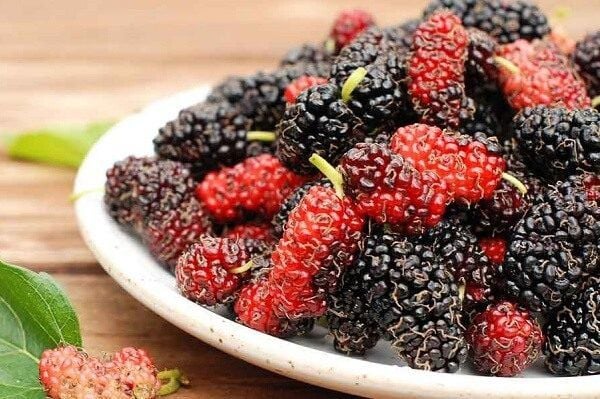
6. Mulberries, Skin Health, and Healthy Aging
Because mulberries contain vitamin C and other plant compounds, they are sometimes discussed in connection with skin health. Vitamin C plays a role in collagen formation, which helps maintain the normal structure of skin and connective tissue. A diet that provides adequate vitamin C and other essential nutrients supports the body's normal maintenance and repair processes.
Antioxidant-rich foods are also frequently promoted for their supposed ability to prevent wrinkles or reverse skin aging. These claims should be approached cautiously. Skin aging is influenced by genetics, sun exposure, smoking, sleep, hormones, nutrition, and many other factors. No single food can stop this process or replace evidence-based skin care.