The quiz portrays this person as practical, dependable, and organized.
Someone who prefers routine might enjoy preparing for the next day before going to bed. They may like a tidy bedroom, a regular bedtime, and a familiar sequence of activities.
But a straight sleeping position does not prove that a person is organized.
A person who sleeps in a curled position may be just as disciplined. Someone who moves constantly during the night may be highly reliable during the day.
The Curled-Up Sleeper: A Fan of Familiar Comfort
The curled-up sleeper is portrayed as thoughtful and careful about energy.
This description may resonate with people who prefer quiet environments and familiar routines.
The physical posture itself may also feel reassuring. A gentle curl can be comfortable, particularly for people who prefer side sleeping.
However, the position should not be interpreted as evidence of anxiety or emotional insecurity.
Many people use it simply because it feels good.
The Starfish Sleeper: Relaxed and Generous
The starfish position receives one of the higher laziness scores in the image.
The joke is that someone who spreads out across the mattress may be so comfortable that they forget other people need space.
The quiz describes this person as generous and relaxed, perhaps with a tendency to take comfort for granted.
It is an amusing image, especially for couples who regularly negotiate mattress space.
In reality, the posture may be comfortable for the shoulders or simply reflect an individual's preferred back-sleeping style.
The Pillow Hugger: Seeking a Comfortable Routine
Hugging a pillow can be part of a familiar bedtime ritual.
Some people enjoy the softness and warmth. Others use the pillow to support their arms and shoulders.
A person who hugs a pillow may also find that it helps them settle down after a stressful day.
There is no reason to interpret this as emotional dependence. Comfort objects and bedtime routines are common human habits.
The Yearner: Reaching for Comfort
The forward-reaching side position can be described playfully as the pose of someone who is curious or always looking for something.
It may be a fun way to describe an energetic personality, but the body position does not reveal ambition or decision-making style.
For practical comfort, the sleeper should avoid placing excessive pressure on the shoulder.
The Freefall Sleeper: Unconventional and Spontaneous
The freefall posture can look dramatic because the sleeper lies face down with the arms around the pillow.
A quiz may describe this person as spontaneous or independent.
But there is no reliable way to infer those qualities from the posture.
The more useful question is whether the position creates neck or back discomfort.
If it does, a small adjustment to pillow height or a gradual change in posture may help.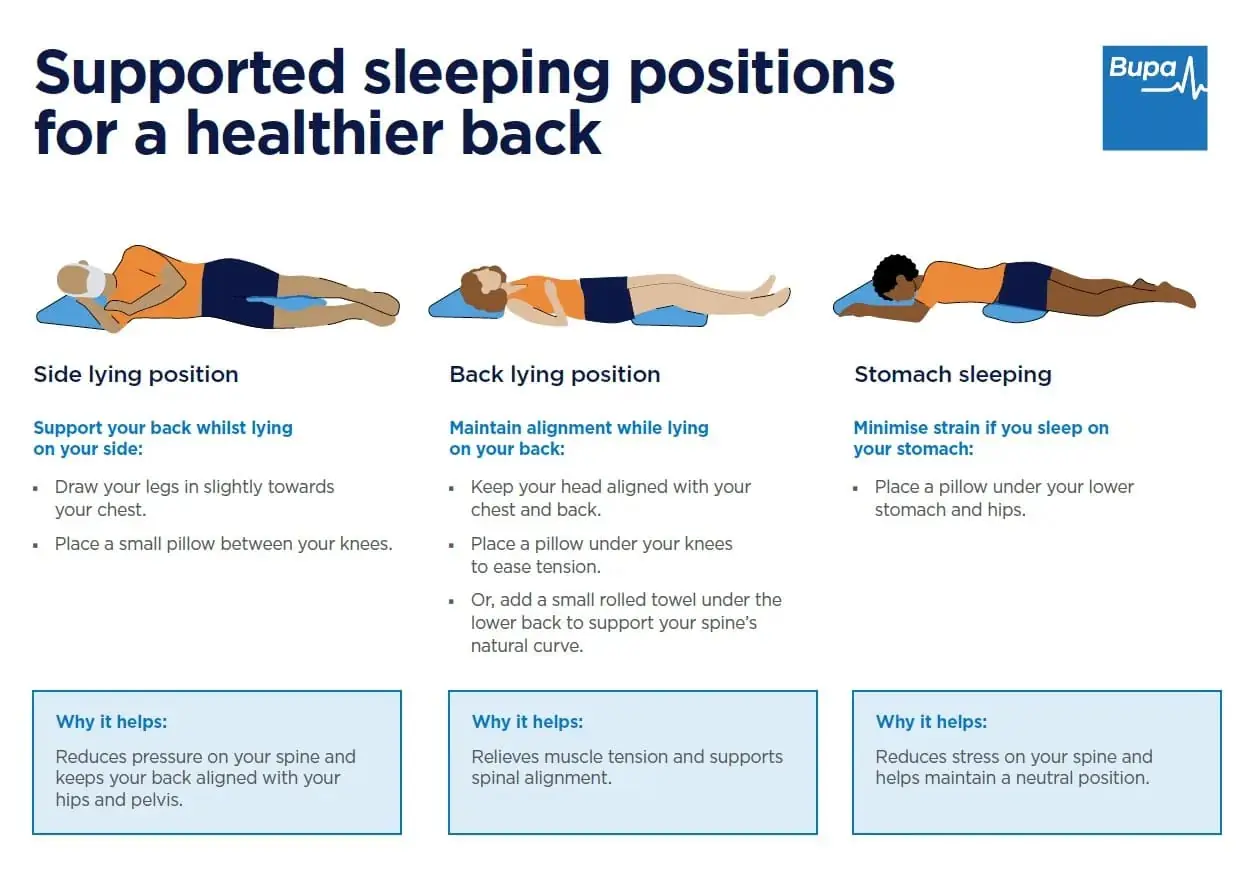
Chapter 6: How to Make Each Sleeping Position More Comfortable
You do not need to force yourself into a completely different sleeping position just because an online article says another posture is better.
The more useful goal is to reduce unnecessary pressure, support the spine, and wake up without recurring discomfort.
A few small adjustments may make a noticeable difference.
If You Sleep on Your Side
Try to keep your head, neck, and spine in a relatively straight line.
Your pillow should fill the space between your shoulder and head without pushing your neck upward. If your head sinks too far toward the mattress, the pillow may be too low.
You can also try placing a pillow between your knees. This may help keep the hips aligned and reduce twisting around the lower back.
If you hug a pillow, choose one that supports your upper arm without forcing your shoulder into an uncomfortable position.
People with shoulder pain may benefit from avoiding direct pressure on the painful shoulder.
If You Sleep on Your Back
Choose a pillow that supports the natural curve of your neck.
Avoid using a pillow so thick that your chin is pushed toward your chest. If your lower back feels uncomfortable, placing a small pillow beneath your knees may help some people relax the area.
If you snore heavily or have been diagnosed with obstructive sleep apnea, ask a healthcare professional whether back sleeping is appropriate. In some cases, side sleeping may help reduce symptoms, although it does not replace prescribed treatment.
If You Sleep on Your Stomach
If stomach sleeping is the only position in which you feel comfortable, consider reducing the amount of strain on your neck.
A thin pillow, or no pillow beneath the head if comfortable, may reduce the angle of neck extension. Some people also find that placing a small pillow beneath the pelvis helps reduce pressure on the lower back.
If you regularly wake with neck pain, shoulder discomfort, or lower back stiffness, consider gradually experimenting with side sleeping.
There is no need to make an uncomfortable change overnight. The goal is to find a position that supports restful sleep.
If You Curl Up Tightly
A gentle fetal position may feel comfortable, but try not to pull your knees too close to your chest.
Allow enough room for your chest to expand comfortably. Keep your neck in a neutral position and avoid placing your arm underneath your head if doing so causes numbness or shoulder discomfort.
A pillow between your knees can provide additional support.
If You Spread Out Like a Starfish
The starfish position may feel relaxing, but pay attention to the shoulders.
If your arms are stretched overhead and you wake with tingling or discomfort, try lowering them slightly or changing their position.
A pillow that supports the head without pushing it forward can also help maintain a comfortable neck position.
And if you share a bed, remember that your partner may appreciate having some mattress space too.
Chapter 7: When Your Sleeping Position May Be a Warning Sign
Most sleeping positions are harmless. However, a posture that repeatedly causes discomfort or is accompanied by breathing problems should not be ignored.
The body sometimes changes position in response to pain, pressure, or difficulty breathing. These movements may be worth paying attention to, particularly when they happen regularly.
Waking Up With Neck or Back Pain
Occasional stiffness can happen after an uncomfortable night.
But if you regularly wake with neck pain, shoulder pain, or lower back discomfort, your sleeping posture or bedding may be contributing.
Consider whether your pillow is too high or too low, whether your mattress provides adequate support, and whether you spend long periods in a twisted position.
Persistent or worsening pain should be evaluated, especially if it is accompanied by weakness, numbness, or pain spreading into an arm or leg.
Loud Snoring and Interrupted Breathing
Snoring can occur when airflow causes relaxed tissues in the upper airway to vibrate.
For some people, sleeping on the back makes snoring worse. The position may also increase breathing interruptions in people with obstructive sleep apnea.
Warning signs include:
-
Loud, frequent snoring.
-
Pauses in breathing noticed by another person.
-
Waking suddenly while gasping or choking.
-
Morning headaches.
-
Excessive daytime sleepiness.
-
Difficulty concentrating during the day.
These symptoms deserve medical assessment. A sleep study may be recommended to determine whether sleep apnea is present.
Persistent Fatigue
Someone may spend many hours in bed but still wake up feeling exhausted.
This can happen when sleep is repeatedly interrupted or when the body does not receive sufficient restorative sleep.
Possible causes include insomnia, sleep apnea, restless legs syndrome, irregular sleep schedules, stress, certain medications, and other health conditions.
A sleeping-position quiz cannot identify these problems.
If fatigue continues despite adequate time for sleep, it is worth seeking professional advice.
Chapter 8: Does Your Sleeping Position Change With Age?
Yes. Many people notice that their preferred sleeping position changes as they grow older.
A child may move frequently between the back, stomach, and side. An adult may develop a consistent preference for side sleeping. Later in life, joint stiffness, changes in flexibility, pain, or other health concerns may influence which positions feel comfortable.
This does not mean that personality has changed simply because someone sleeps differently.
Childhood and Adolescence
Children often move around during sleep.