Your kidneys work quietly in the background every day. Most people rarely think about them until something goes wrong.
These two small organs filter waste and excess fluid from the blood, help regulate electrolytes and blood pressure, support red blood cell production, and contribute to maintaining healthy bones. Because the kidneys perform so many essential functions, problems with them can eventually affect many different parts of the body.
The difficult part is that kidney disease can develop gradually without obvious symptoms. A person may feel perfectly normal while kidney function is declining.
When symptoms do appear, they can be surprisingly easy to blame on something else.
Swollen ankles might be dismissed as standing too long. Fatigue might be blamed on poor sleep. Itchy skin might seem like simple dryness. Changes in urination might be considered insignificant.
Sometimes they are harmless.
But sometimes these changes can be clues that the kidneys need attention.
Here are 12 body changes worth knowing about.

1. Changes in How Often You Urinate
One of the most noticeable changes involving kidney or urinary health can be a change in urination.
You might find yourself:
-
Urinating much more frequently
-
Urinating less than usual
-
Waking repeatedly during the night to urinate
-
Feeling an unusually strong urge to urinate
-
Noticing a significant change from your normal pattern
The kidneys produce urine as they filter the blood, so changes in kidney function can affect urine production.
However, changes in urination are not specific to kidney disease.
Diabetes, urinary tract infections, prostate problems, medications, increased fluid intake, pregnancy, and other conditions can also change how often someone urinates.
That's why a persistent change is more important than a single unusual day.
2. Foamy or Frothy Urine
Occasionally seeing bubbles in the toilet isn't necessarily a problem.
Urine can become bubbly simply because it hits the water quickly or because cleaning products are present in the toilet.
But persistent, unusually frothy urine may sometimes indicate that protein is leaking into the urine.
Healthy kidneys normally prevent significant amounts of protein from passing through their filtration system.
When the kidney's filtering structures become damaged, protein such as albumin can enter the urine.
This condition is known as albuminuria or proteinuria.
You cannot reliably diagnose protein in your urine simply by looking at it.
A urine test—often a urine albumin-to-creatinine ratio (UACR)—can provide much more useful information.
3. Blood in the Urine
Seeing pink, red, or cola-colored urine can be alarming.
Blood in the urine is known medically as hematuria.
It can have many causes, including:
-
Urinary tract infections
-
Kidney stones
-
Certain medications
-
Prostate conditions
-
Kidney disease
-
Problems involving the bladder or urinary tract
In some cases, blood may be microscopic and only detectable through testing.
Visible blood in the urine should not simply be ignored, particularly if there is no obvious explanation.
A healthcare professional can determine whether additional urine testing, imaging, or other evaluation is necessary.
4. Swelling Around the Ankles, Feet, or Legs
The kidneys help regulate the body's fluid and sodium balance.
When kidney function is significantly impaired, the body may retain excess salt and fluid.
This can contribute to edema, or swelling, particularly in the feet, ankles, and lower legs.
You might notice:
-
Socks leaving deeper marks around the ankles
-
Shoes suddenly feeling tighter
-
Swelling that becomes more noticeable toward the end of the day
-
Skin that appears stretched or puffy
But kidney disease is only one possible cause.
Heart problems, liver disease, venous insufficiency, medications, prolonged sitting, and other conditions can also cause leg swelling.
Sudden swelling in one leg accompanied by pain, warmth, or redness requires urgent medical evaluation, because a blood clot is another possible cause.
5. Puffiness Around the Eyes
Swelling around the eyes, particularly in the morning, can sometimes occur when the body retains fluid.
In certain kidney conditions, protein loss through the urine can contribute to fluid shifting into tissues.
However, puffy eyes are extremely nonspecific.
Lack of sleep, allergies, crying, sinus problems, genetics, and normal variations in fluid balance can all produce the same appearance.
The important clue is when persistent facial or eye swelling occurs alongside other changes such as foamy urine, leg swelling, or abnormal laboratory results.
6. Persistent Fatigue or Weakness
Feeling tired after a busy day is normal.
Persistent fatigue that doesn't improve with adequate rest is different.
Advanced kidney disease can contribute to fatigue for several reasons. One important factor is anemia.
Healthy kidneys produce a hormone called erythropoietin, which signals the bone marrow to make red blood cells. When kidney function declines significantly, production of this hormone may decrease.
Anemia can cause:
-
Fatigue
-
Weakness
-
Reduced exercise tolerance
-
Dizziness
-
Difficulty concentrating
-
Shortness of breath with exertion
Fatigue has countless other causes, however, including sleep disorders, thyroid disease, nutritional deficiencies, infections, depression, medications, and many others.
Persistent unexplained fatigue deserves evaluation rather than being automatically attributed to aging or a busy lifestyle.
7. Persistent Itching or Very Dry Skin
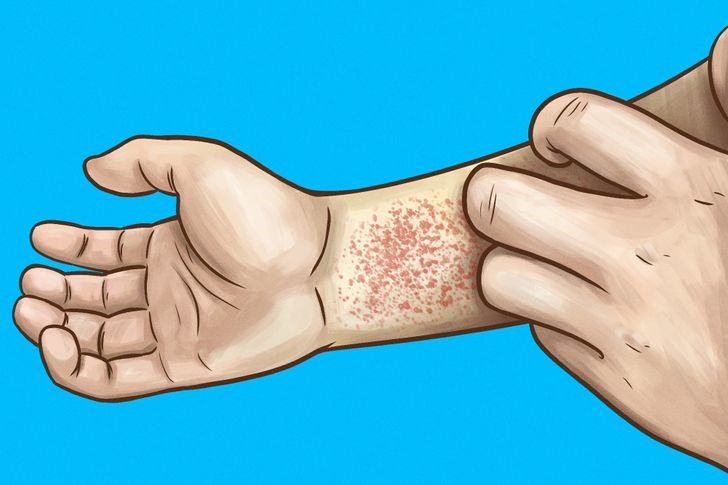
Kidney disease can sometimes affect the skin.
In more advanced kidney dysfunction, abnormalities in mineral balance and the accumulation of waste products may contribute to persistent itching, sometimes called chronic kidney disease-associated pruritus.
The skin may also feel unusually dry.
But dry or itchy skin is much more commonly caused by factors such as:
-
Dry weather
-
Hot showers
-
Eczema
-
Allergies
-
Irritating soaps
-
Dehydration
-
Other skin conditions
If itching becomes persistent, widespread, severe, or difficult to explain—especially when other symptoms are present—it is worth discussing with a healthcare professional.
8. Muscle Cramps or Unusual Muscle Weakness
Your kidneys help regulate electrolytes and minerals such as potassium, calcium, and phosphorus.
When kidney function becomes significantly impaired, these systems can become disrupted.
As a result, some people with kidney disease may experience muscle cramps, weakness, or unusual sensations.
However, cramps are extremely common and are frequently caused by exercise, dehydration, medications, muscle fatigue, or other conditions.
Persistent or severe muscle weakness, especially when accompanied by changes in urination, swelling, or known kidney problems, should be evaluated.
9. Nausea, Loss of Appetite, or an Unusual Taste in the Mouth
As kidney function becomes severely impaired, waste products can accumulate in the bloodstream.
This may contribute to symptoms such as:
-
Nausea
-
Vomiting
-
Reduced appetite
-
An unpleasant or metallic taste
-
Food tasting different
-
Unintentional weight loss
These symptoms are generally more concerning when kidney disease is advanced.
But nausea and appetite changes are extremely common and can result from infections, gastrointestinal conditions, medications, pregnancy, anxiety, and many other causes.
If these symptoms persist or are accompanied by significant weakness, dehydration, weight loss, or other concerning changes, medical evaluation is appropriate.
10. Shortness of Breath
Shortness of breath can have many causes, including heart and lung conditions.
In advanced kidney disease, several mechanisms can contribute.
Fluid accumulation can affect the lungs, while kidney-related anemia can reduce the blood's oxygen-carrying capacity and make physical activity feel more difficult.
This means unexplained breathlessness should never automatically be blamed on the kidneys.
Sudden or severe difficulty breathing is an emergency.
If breathing becomes severely difficult, especially with chest pain, fainting, blue or gray lips, confusion, or sudden deterioration, seek emergency medical care immediately.