11. Difficulty Concentrating or Feeling “Foggy”
Some people with significant kidney dysfunction experience problems with concentration, alertness, or mental clarity.
This can happen when metabolic waste accumulates and when kidney disease contributes to anemia or disturbances in electrolytes and acid-base balance.
But brain fog is not a kidney-specific symptom.
Poor sleep, stress, medications, depression, thyroid disorders, nutritional deficiencies, infections, and many other conditions can produce similar experiences.
A persistent change in concentration—especially when it occurs alongside other physical symptoms—deserves medical attention.
12. High Blood Pressure That Is Difficult to Control
This symptom is different from the others because you may not feel it at all.
High blood pressure often has no noticeable symptoms.
The kidneys and blood pressure have a close relationship. The kidneys help regulate fluid and sodium balance and participate in hormonal systems involved in blood-pressure control.
Kidney disease can contribute to hypertension.
At the same time, long-term high blood pressure can damage the kidneys.
This creates a potentially harmful cycle:
High blood pressure → kidney damage → worsening blood-pressure control → further kidney damage.
That's one reason regular blood-pressure monitoring can be important, especially for people with diabetes, cardiovascular disease, or other kidney-disease risk factors.
Kidney Disease Can Be Silent
Perhaps the most important fact to understand is that symptoms aren't always present.
A person can have chronic kidney disease and feel completely normal, particularly during its earlier stages.
That's why certain people may benefit from regular kidney-function testing even when they have no symptoms.
Blood tests can measure serum creatinine, which can be used to estimate glomerular filtration rate, commonly reported as eGFR.
Urine testing can check for albumin and other abnormalities.
These tests can reveal kidney problems that wouldn't necessarily be obvious from how a person feels.
Who Is More Likely to Develop Kidney Problems?
Certain conditions increase the risk of chronic kidney disease.
Important risk factors include:
-
Diabetes
-
High blood pressure
-
Heart disease
-
A family history of kidney disease
-
Previous kidney injury
-
Certain autoimmune diseases
-
Older age
-
Obesity
-
Smoking
-
Long-term use of certain medications, particularly some pain medicines, depending on the circumstances
Having a risk factor doesn't mean kidney disease is inevitable.
It simply means monitoring may be particularly important.
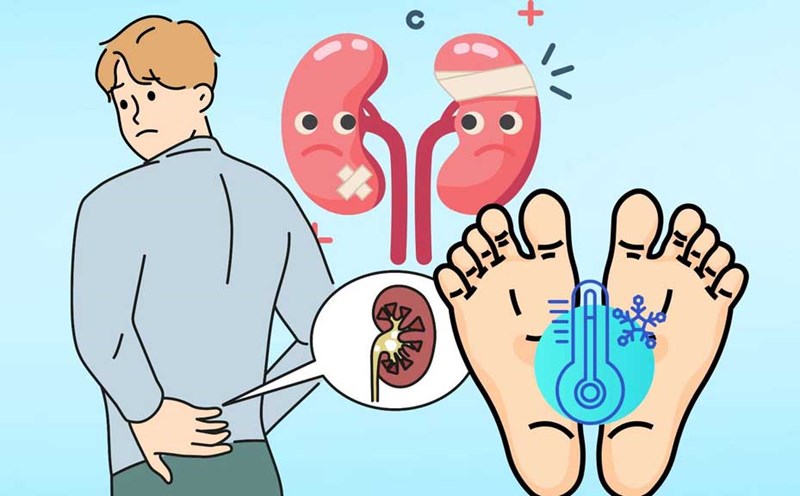
What Tests Can Check Your Kidneys?
If your doctor suspects a kidney problem, several tests may be considered.
Blood test
A creatinine measurement can help estimate how efficiently the kidneys are filtering blood.
The resulting eGFR is commonly used to assess kidney function.
Urine test
A urine test can detect blood, protein, albumin, and other abnormalities.
The UACR is particularly useful for detecting albumin leakage.
Blood pressure measurement
Because kidney function and blood pressure are closely connected, blood-pressure monitoring is an important part of kidney health.
Imaging
Ultrasound or other imaging may sometimes be used to examine the kidneys and urinary tract, depending on the suspected problem.
The appropriate tests depend on the person's symptoms, medical history, and risk factors.
How Can You Protect Your Kidney Health?
There isn't one magical food, drink, or supplement that can guarantee healthy kidneys.
Instead, kidney protection usually comes down to managing the factors that can damage them over time.
Keep blood pressure under control
If you have hypertension, follow your healthcare professional's treatment plan.
Manage blood sugar
For people with diabetes, maintaining appropriate glucose control is an important part of protecting kidney function.
Avoid unnecessary medications
Some medications, including certain nonsteroidal anti-inflammatory drugs such as ibuprofen and naproxen, can affect kidney function, particularly with prolonged use or in people who already have kidney problems.
Ask a healthcare professional or pharmacist about medications if you have reduced kidney function.
Don't smoke
Smoking damages blood vessels and increases cardiovascular risk, which also matters for kidney health.
Maintain a healthy weight
A balanced diet and regular physical activity can support blood pressure, blood sugar, and cardiovascular health.
Stay appropriately hydrated
Adequate fluid intake supports normal kidney function, but more water is not always better. People with advanced kidney, heart, or liver disease may have individualized fluid restrictions.
When Should You Seek Medical Help?
Make an appointment with a healthcare professional if you notice persistent or unexplained changes such as:
Repeated blood in the urine
Persistent foamy urine
Unexplained swelling
Major changes in urination
Ongoing fatigue
Persistent nausea or appetite loss
Unexplained itching
Or several of these symptoms occurring together.
You should also seek medical care if you already have diabetes, high blood pressure, or another condition that places you at increased risk of kidney disease and have concerns about your kidney function.
Some Symptoms Require Urgent Attention
Not every kidney-related symptom is an emergency.
However, seek urgent medical help for symptoms such as sudden severe flank or abdominal pain, inability to urinate, heavy blood in the urine, severe shortness of breath, confusion, fainting, or rapidly worsening swelling, particularly when these symptoms are accompanied by significant illness.
Severe symptoms can have causes other than kidney disease, so urgent evaluation is important rather than attempting to determine the diagnosis at home.
Final Thoughts
Your kidneys rarely demand attention until something changes.
That's precisely why small, persistent changes can be worth noticing.
Changes in urination, foamy urine, blood in the urine, swelling, fatigue, itching, muscle cramps, nausea, shortness of breath, difficulty concentrating, and uncontrolled blood pressure can sometimes occur with kidney problems.
But none of these signs, by themselves, proves that your kidneys are failing.
Many have common and treatable explanations unrelated to kidney disease.
The most important lesson is to look at the whole picture.
If a symptom is new, persistent, unexplained, or getting worse—or if you have important risk factors such as diabetes or high blood pressure—talk with a healthcare professional.
Kidney disease can sometimes progress quietly, but early detection can provide an opportunity to identify the cause, address risk factors, and protect remaining kidney function.
Don't panic over every change in your body.
But don't automatically dismiss persistent changes either.
Pay attention, get the right tests when appropriate, and let medical evaluation—not guesswork—determine what your body is trying to tell you.