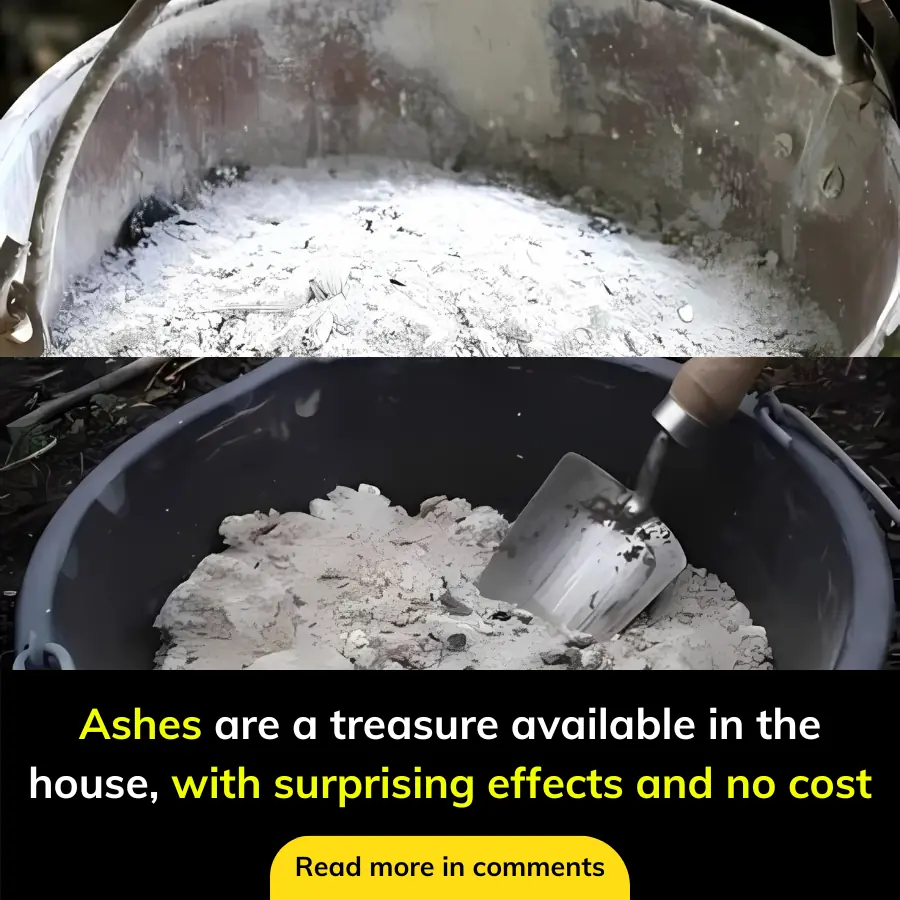
The Many Uses of Wood Ash
Besides enriching the soil, wood ash has many other applications in and around the home. However, before you start using wood ash, keep in mind the following:
- Only use ash from untreated wood. Avoid pressure-treated wood, painted or stained wood, charcoal, coal, or commercial fire logs.
- For best results, hardwood ashes (such as oak and maple) contain five times more nutrients per cord than softwood ashes.
- Even if ash feels cool to the touch, buried embers can remain hot for days—or even weeks. Store ash safely in a metal container with a lid and place it on a non-flammable surface like dirt or concrete. Keep the container isolated and at least a few meters away from flammable materials.
- When handling wood ash, always wear gloves, protective eyewear, and a dust mask if the particles are particularly fine. Take similar precautions as when handling bleach, another highly alkaline substance.
- Never mix wood ash with nitrogen-based fertilizers such as urea; this will create ammonia gas.
- Do not use wood ash on seedlings, as the salt content can damage young plants.
1. Neutralizing Acidic Soil
- Unless you are growing acid-loving plants like blueberries, peppers, and rhododendrons, you should maintain soil pH between 6 and 7.5 for optimal nutrient absorption.
- Acidic soil (pH below 6) prevents plants from absorbing nitrogen, phosphorus, and potassium, while alkaline soil (pH above 7.5) reduces the availability of iron, manganese, and phosphorus.
- Wood ash contains up to 70% calcium carbonate and can be used as a substitute for lime. Unlike slow-acting agricultural limestone, wood ash works quickly due to its fine particle size.
- A general guideline is to use no more than 11 kg of wood ash per 100 square meters and always test the soil after application.
2. Repelling Slugs & Snails
- Slugs and snails can quickly destroy your garden, especially young plants.
- Sprinkling wood ash around individual plants or along the garden perimeter creates a drying effect that deters these moisture-loving pests.
- Avoid direct contact with plants and reapply after rain.
3. Adding to Compost
- Wood ash increases the potassium content in compost, which is essential for flowering and fruit production.
- However, due to its alkalinity, add wood ash in moderation—approximately one layer every six inches of compost.
- Excessive ash can raise compost pH and harm acid-loving plants.
4. Feeding Calcium-Loving Plants
- Wood ash is a natural source of calcium carbonate, similar to crushed eggshells.
- Lightly sprinkle and mix it into the soil around calcium-loving plants such as apples, carrots, tomatoes, potatoes, cauliflower, broccoli, lettuce, cabbage, and celery.
5. Brewing Wood Ash Tea
- Like compost tea, wood ash tea can help prevent or correct potassium deficiencies.
- Signs of potassium deficiency include brown spots, curled leaf edges, yellowing between veins, stunted growth, and reduced yield.
- Certain plants—such as tomatoes, potatoes, apples, raspberries, grapes, and beets—are more prone to potassium deficiencies.
- To make wood ash tea:
- Place 2 kg of ash into a fabric bag (like an old pillowcase).
- Submerge the bag in a 200L barrel of water for several days.
- Pour about one cup of the tea around plants weekly.
6. Fertilizing Your Lawn
- Lightly dusting wood ash over your lawn can help grass stay lush and green.
- After applying, water thoroughly to prevent beneficial nutrients from being blown away.
7. Dust Baths for Backyard Chickens
- Like many birds, chickens take dust baths to stay clean and control parasites like lice and mites.
- Mixing wood ash with sand creates an excellent dust bath that your chickens will love.
8. Making Soap
- The earliest soaps, made by the ancient Babylonians around 2800 BC, combined animal fat with wood ash.
- When hardwood ash is boiled in soft water, it creates lye (potassium hydroxide).
- Mixing lye with animal fat or vegetable oil produces soft soap.
- Adding salt during molding helps harden soap bars.
9. Polishing Silver, Metal, and Glass
- Wood ash has mild abrasive properties, making it useful for polishing tarnished silver, dull metal, and cloudy glass.
- Mix one cup of ash with a little water to form a paste.
- Wear rubber gloves and apply the paste to dull objects.
- Let it sit for a few minutes, then wipe with a clean cloth and buff to a shine.
10. Absorbing Odors
- Like baking soda, wood ash is alkaline and can absorb and neutralize odors.
- Place a small bowl of ash in your fridge or a musty room, replacing it every few days.
11. Removing Oil Stains in the Garage & Driveway
- Wood ash is absorbent and can clean up grease spills on porous surfaces like stone, cement, and asphalt.
- Sprinkle ash on the stain, let it sit for a few minutes, then sweep it up.