High blood pressure, also known as hypertension, affects millions of people worldwide and is one of the leading risk factors for heart disease, stroke, and kidney disease. Because hypertension often develops without obvious symptoms, it is sometimes called the "silent killer."
While medications can be highly effective when prescribed, lifestyle factors—including diet—play a crucial role in maintaining healthy blood pressure. Among the many foods that have attracted attention from researchers, bananas are frequently highlighted due to their rich potassium content and overall nutritional value.
Many people wonder whether eating a banana every day can actually affect blood pressure. While no single food can cure hypertension, scientific evidence suggests that bananas may contribute to a heart-healthy eating pattern that supports healthy blood pressure regulation.
Let's take a closer look at what research says about bananas and blood pressure.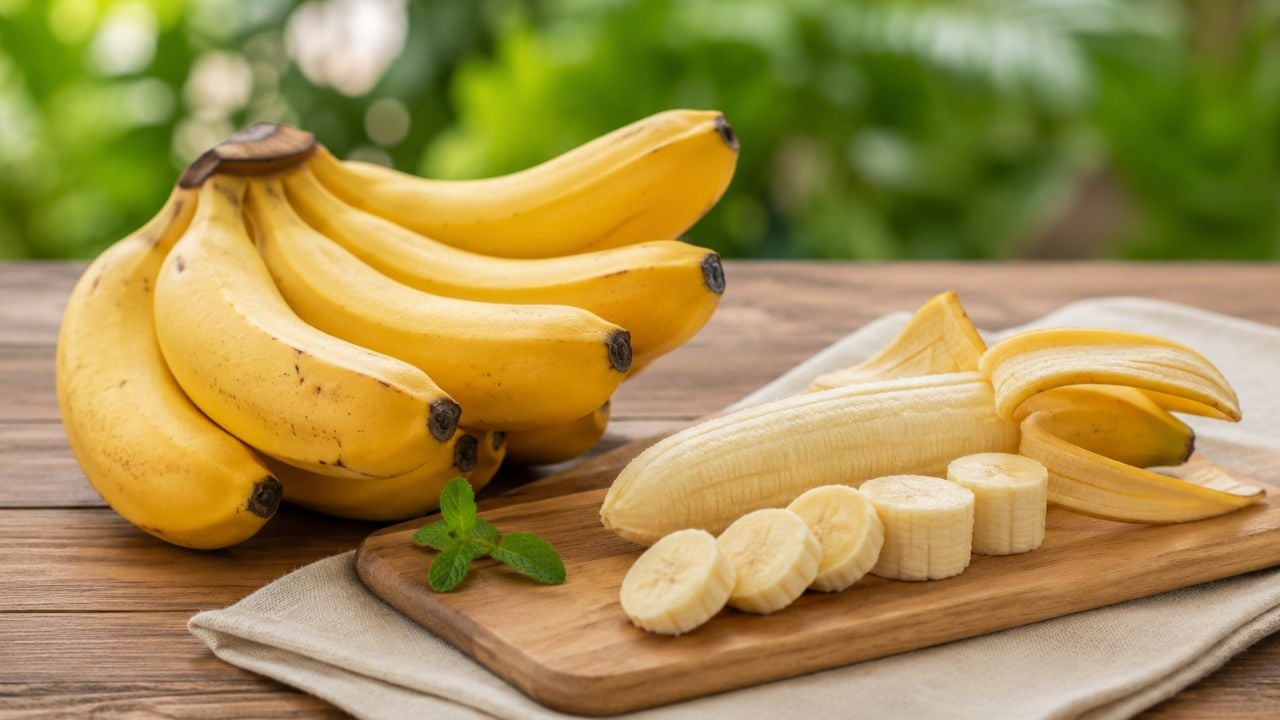
Understanding Blood Pressure
Blood pressure measures the force of blood pushing against artery walls.
It is recorded as two numbers:
-
Systolic pressure (top number)
-
Diastolic pressure (bottom number)
Healthy blood pressure is important because excessive pressure can damage:
-
Blood vessels
-
The heart
-
The brain
-
The kidneys
Over time, uncontrolled hypertension can increase the risk of serious health complications.
Why Bananas Attract Attention
Bananas are among the most widely consumed fruits in the world.
They are popular because they are:
-
Affordable
-
Convenient
-
Naturally sweet
-
Nutrient-rich
A medium banana contains important nutrients such as:
-
Potassium
-
Vitamin B6
-
Vitamin C
-
Fiber
-
Magnesium
Of these nutrients, potassium is especially important when discussing blood pressure.
Potassium: The Key Nutrient
Potassium is an essential mineral that helps regulate numerous bodily functions.
Functions of Potassium
Potassium helps:
-
Maintain fluid balance
-
Support muscle contractions
-
Regulate nerve signals
-
Support heart function
Most importantly, potassium helps counteract some of the effects of sodium.
The Sodium-Potassium Balance
Modern diets often contain excessive sodium.
High sodium intake may contribute to elevated blood pressure in many individuals.
How Potassium Helps
Potassium assists the body by:
-
Helping remove excess sodium through urine
-
Relaxing blood vessel walls
-
Supporting healthy circulation
This balance between sodium and potassium is considered an important factor in cardiovascular health.
What Research Suggests
Numerous studies have investigated potassium-rich diets and blood pressure outcomes.
General Findings
Research consistently shows that:
-
Higher potassium intake is associated with healthier blood pressure levels.
-
Diets rich in fruits and vegetables often support cardiovascular health.
-
Individuals consuming adequate potassium may have a lower risk of hypertension.
Because bananas are a convenient source of potassium, they frequently appear in discussions about heart health.
Important Clarification
Most studies examine overall dietary patterns rather than bananas alone.
Researchers generally conclude that a potassium-rich diet—not necessarily a single food—is beneficial.
How Much Potassium Does a Banana Provide?
A medium banana typically provides approximately:
-
400–450 milligrams of potassium
This represents a meaningful contribution toward daily potassium needs.
However, one banana alone does not provide all the potassium required for optimal health.
Other potassium-rich foods include:
-
Sweet potatoes
-
Beans
-
Spinach
-
Avocados
-
Yogurt
-
Tomatoes
Potential Blood Pressure Benefits of Daily Banana Consumption
1. Supports Healthy Sodium Balance
Many people consume too much sodium from:
-
Processed foods
-
Fast food
-
Packaged snacks
Regular consumption of potassium-rich foods may help offset some of sodium's effects.
2. May Help Relax Blood Vessels
Potassium contributes to normal blood vessel function.
Healthy vessel flexibility supports efficient circulation and cardiovascular health.
3. Encourages Heart-Healthy Eating Habits
People who eat bananas regularly often consume more fruits overall.
Higher fruit intake is associated with improved cardiovascular outcomes.
4. Provides Valuable Fiber
Bananas contain dietary fiber, which supports:
-
Digestive health
-
Weight management
-
Metabolic health
Maintaining a healthy weight is an important factor in blood pressure control.
Bananas and the DASH Diet
One of the most respected dietary approaches for managing blood pressure is the DASH diet.
DASH stands for:
Dietary Approaches to Stop Hypertension.
Key Features
The DASH diet emphasizes:
-
Fruits
-
Vegetables
-
Whole grains
-
Lean proteins
-
Low-fat dairy
Bananas fit naturally into this eating pattern because of their potassium content.
Research has repeatedly shown that DASH-style diets can help support healthy blood pressure levels.
Additional Heart-Healthy Nutrients in Bananas
Magnesium
Bananas contain magnesium, a mineral involved in:
-
Blood vessel function
-
Muscle relaxation
-
Heart rhythm regulation
Vitamin B6
Vitamin B6 contributes to:
-
Metabolism
-
Nervous system health
-
Red blood cell production
Antioxidants
Bananas contain antioxidant compounds that help protect cells from oxidative stress.
Can Bananas Lower Blood Pressure on Their Own?
The answer is generally no.
Why?
Blood pressure is influenced by many factors, including:
-
Genetics
-
Weight
-
Physical activity
-
Sodium intake
-
Stress
-
Sleep quality
-
Medical conditions
While bananas may contribute positively, they are only one part of a larger picture.
Best Results Come From Combined Strategies
Experts recommend:
-
Regular exercise
-
Weight management
-
Balanced nutrition
-
Stress reduction
-
Adequate sleep
-
Medical care when necessary
Who Should Be Careful With Potassium Intake?
Although potassium is beneficial for most people, some individuals should consult healthcare professionals before significantly increasing intake.
Examples include:
Kidney Disease
Impaired kidney function can affect potassium regulation.
Certain Medications
Some medications may increase potassium levels.
Examples include certain:
-
Blood pressure medications
-
Diuretics
-
Heart medications
Healthcare providers can determine appropriate potassium intake based on individual circumstances.
Common Myths About Bananas and Blood Pressure
Myth 1: One Banana Instantly Lowers Blood Pressure
Blood pressure changes gradually and depend on overall lifestyle habits.
Myth 2: More Bananas Always Means Better Results
Excessive intake is not necessarily beneficial.
Balance remains important.
Myth 3: Bananas Replace Blood Pressure Medication
Individuals prescribed medication should continue following medical advice.
Dietary changes should complement—not replace—professional treatment.
Easy Ways to Include Bananas in a Healthy Diet
Breakfast
-
Slice onto oatmeal
-
Add to yogurt
-
Blend into smoothies
Snacks
-
Eat with nuts
-
Pair with peanut butter
Desserts
-
Frozen banana treats
-
Fruit salads
Post-Workout Recovery
Bananas provide carbohydrates and potassium that many active individuals find beneficial.
Other Lifestyle Habits That Support Healthy Blood Pressure
Nutrition works best when combined with healthy habits.
Exercise Regularly
Aim for consistent physical activity.
Limit Excess Sodium
Reduce heavily processed foods.
Maintain a Healthy Weight
Weight management often improves blood pressure.
Manage Stress
Chronic stress can influence cardiovascular health.
Sleep Well
Quality sleep supports overall wellness.
Final Thoughts
Bananas are a nutritious, convenient, and potassium-rich fruit that can play a valuable role in a heart-healthy diet. Research suggests that potassium helps support healthy blood pressure by promoting sodium balance, encouraging proper blood vessel function, and contributing to overall cardiovascular health.
While eating a banana every day is unlikely to transform blood pressure on its own, regular consumption as part of a balanced dietary pattern may offer meaningful benefits. Combined with exercise, healthy eating, adequate sleep, and routine medical care, bananas can be one simple and delicious way to support long-term heart health.
The greatest benefit comes not from a single food but from the overall lifestyle choices that work together to keep the heart and circulatory system functioning at their best.